Roof Damage Repair
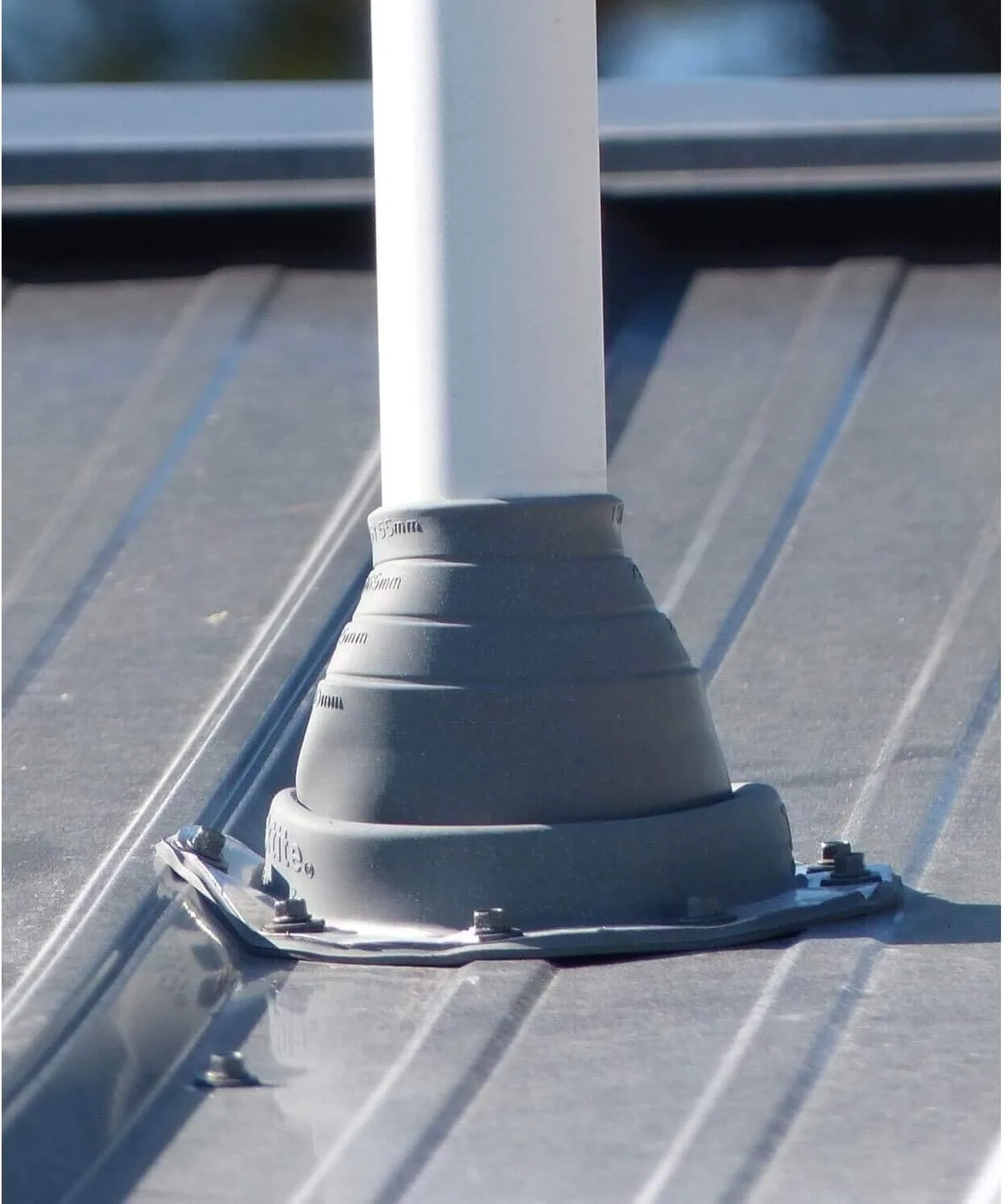
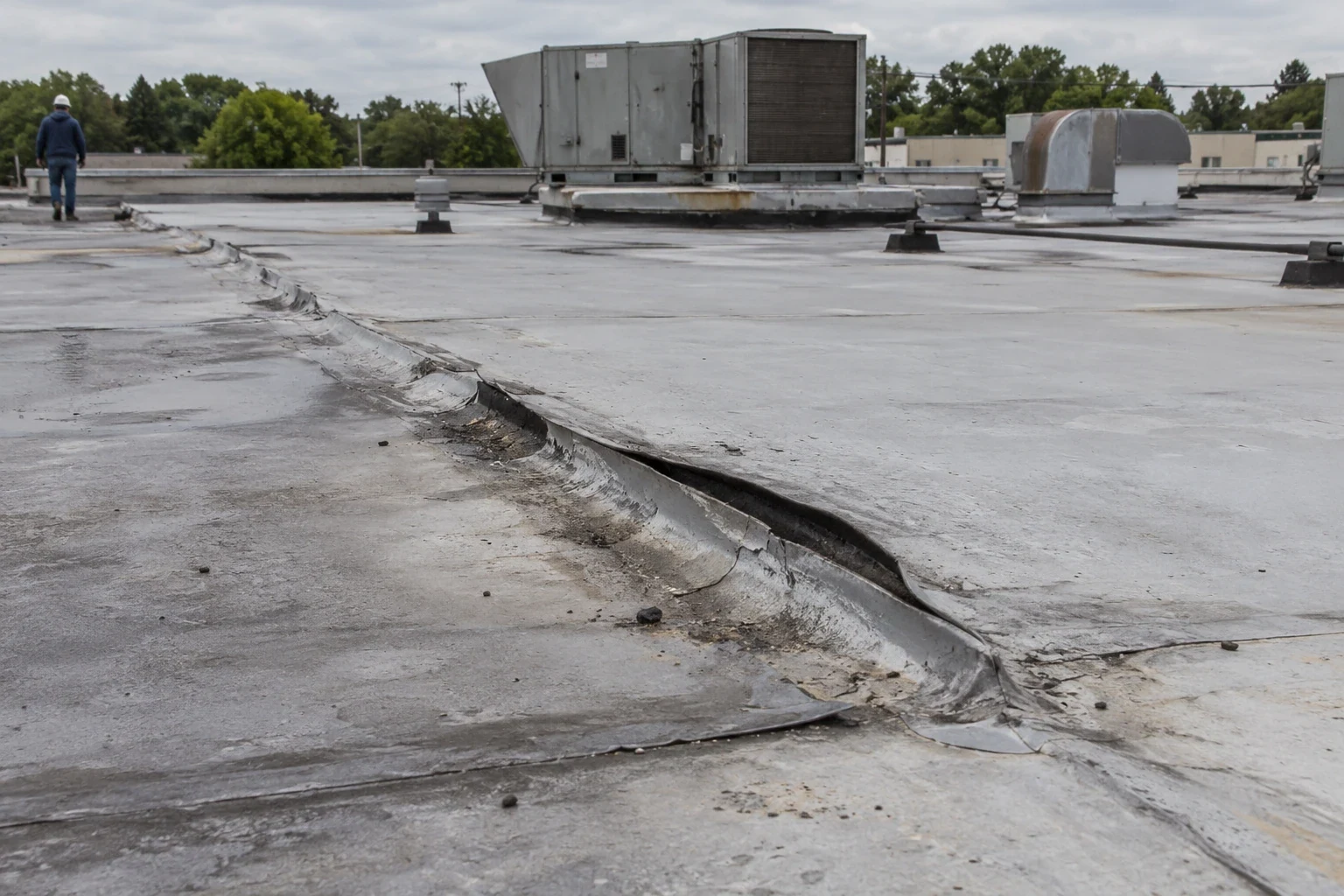
A termination bar fastened into deteriorated receiving masonry can lose the pressure needed to hold the membrane against its wall. Another bead of seal does not restore that base or attachment. We repair failed commercial roof flashing in Norman, OK, by examining the wall-side condition and the sheet connection together. The receiving component is corrected before the new termination closes over support that still cannot sustain its intended attachment.
Downtown Norman contains historic architecture and commercial uses such as shops, galleries and restaurants. Porter Avenue has institutional and commercial properties adjoining residential neighborhoods. At a requested building, we identify the actual wall material and covering before correcting the failed roof termination. The general contractor coordinates the wall task and receiving preparation required at the inspected junction, while its material condition establishes the replacement boundary and compatible closure sequence.
Can the wall base hold the intended termination attachment?
A loose fastening point can involve deteriorated material, an unsuitable attachment or another wall-side condition. We inspect the accessible base and identify exposure needed to reach a workable receiving surface. The responsible wall or design professional assesses component concerns where required. The roofing detail follows the corrected base and installed assembly rather than retaining an unsuitable fastening point beneath new sheet.
Wall-top and roof edge corrections may be needed where an upper component also affects the receiving junction. We coordinate that task before final membrane closure. The actual attachment arrangement and preparation requirements are established while the connection remains visible. Temporary protection serves the exposed boundary until wall work is ready. New flashing then connects through suitable material, with its termination examined before an adjoining finish hides it. The construction task restores the pressure and receiving support required at the interface instead of repeatedly sealing an unresolved wall-side attachment.
Which membrane boundary can receive the new flashing?
A separated upstand can leave damaged or unsuitable sheet below the visible termination. We inspect the installed covering and earlier repairs before selecting a joining boundary. Removal may need to extend beyond the open edge to reach material that can be prepared. The task follows the actual receiving sheet rather than the line where the termination bar became loose.
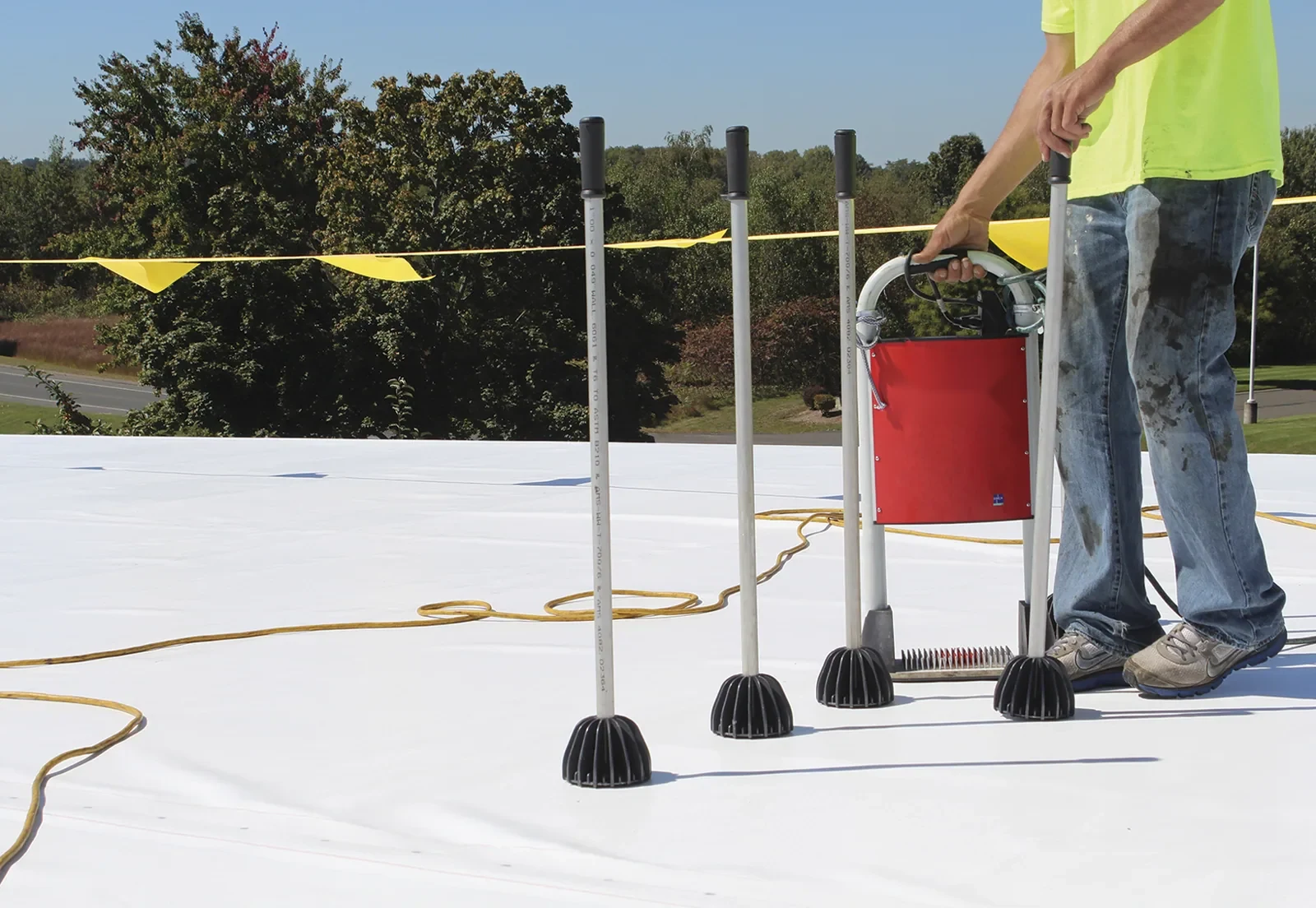
For a PVC flashing correction, sheet condition and the system-specific joining method establish compatible preparation. We examine concealed layers where their suitability affects retention and coordinate any receiving-base task. The new membrane is prepared after those materials and the wall interface are ready. Its accessible joint is examined before another component restricts inspection. Located material information preserves the repaired boundary for later wall or equipment service, allowing a returning task to connect through a suitable interface instead of disturbing an unidentified earlier repair beneath the termination.
Does the adjoining component need room to move at the detail?
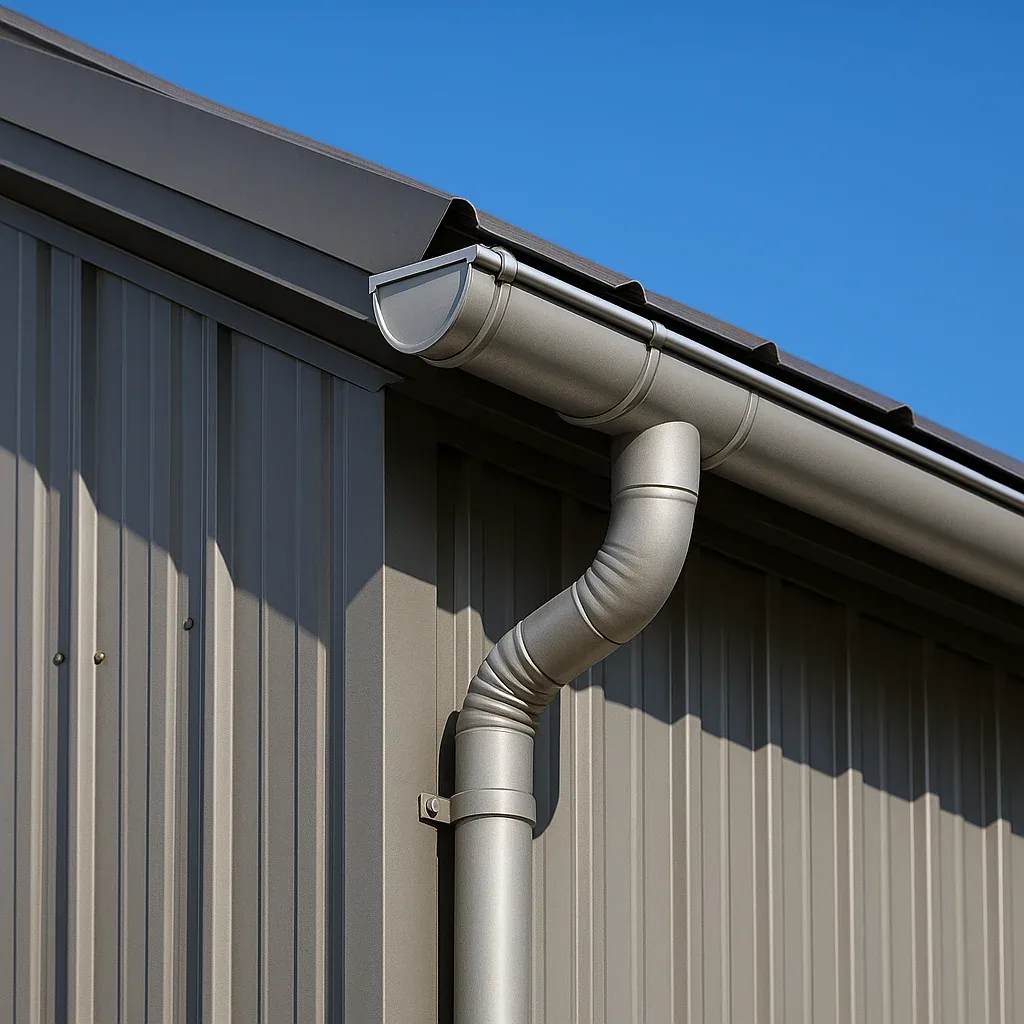
A metal cover or wall joint can pull against flashing where the connection restrains its intended movement. We assess accessible attachment, clearance and the receiving surfaces before choosing a compatible repair. A rigid earlier seal may need removal to reveal the actual junction. The responsible component or design professional coordinates movement requirements where necessary.
A separated flashing seam correction restores suitable joining, while wind-affected component repairs address another condition where the receiving detail has shifted. We identify the mechanism actually present and the component task that precedes roof closure. The opening is protected during exposure, and the new connection is examined before placement limits access. Compatible flashing then joins suitable materials through the intended assembly relationship, rather than bridging a moving component with a detail that preserves the same restraint at the repaired junction.
What concealed condition changes the depth of the flashing repair?
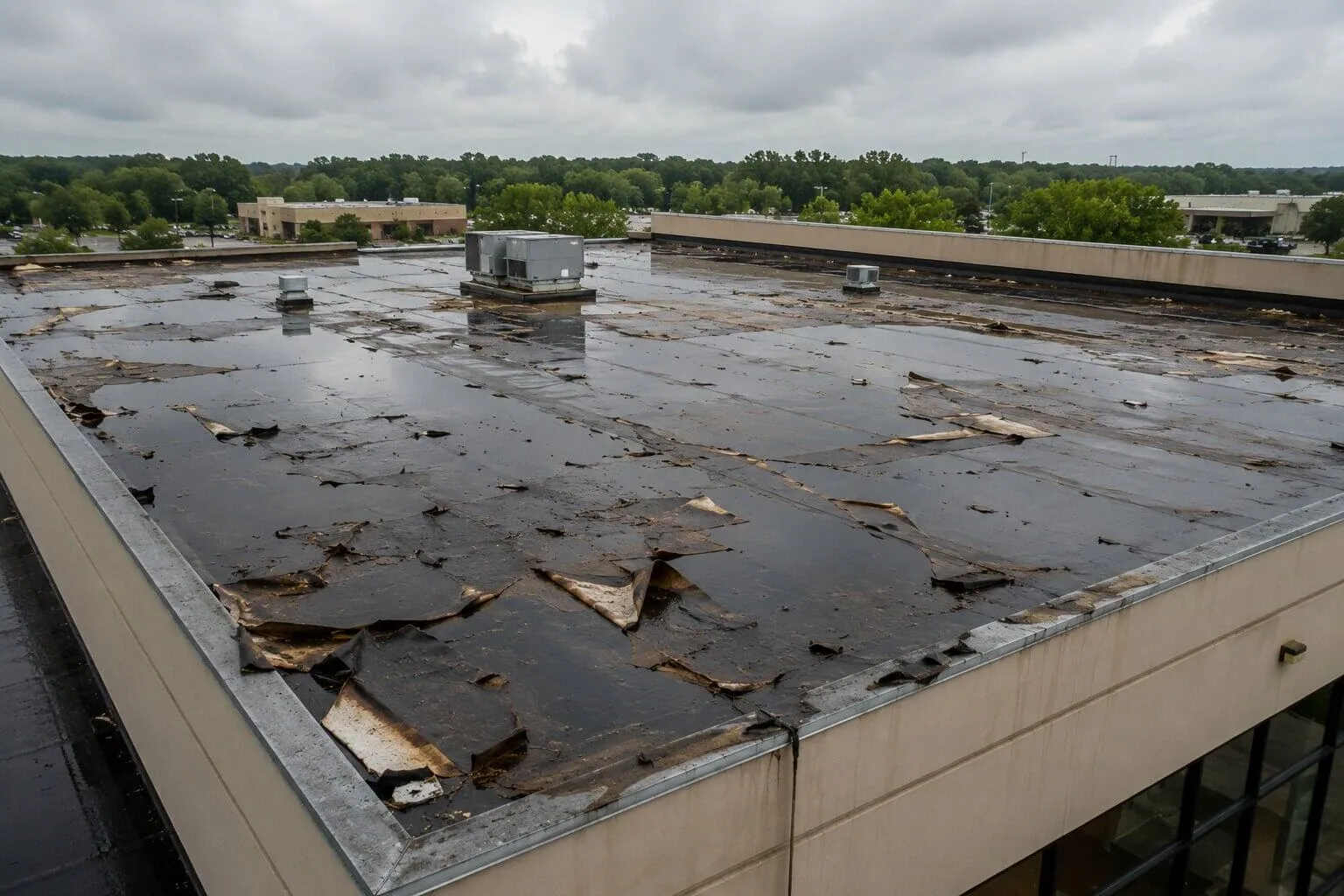
Water entering at an upstand can affect insulation beyond the visible separation. We investigate the material question relevant to retention and locate the boundary that can receive replacement. Accessible support is assessed as exposure proceeds. The responsible professional examines a structural concern before the new layers close the base.
Flashing-area layer replacement is selected with usable wall height and adjoining outlet relationships assessed. Added thickness can reduce the space available for the termination, making a wall or component adjustment part of the construction sequence. We identify those receiving tasks and temporary protection while the opening remains unfinished. Findings are reviewed with the daily removal boundary and occupied area beneath it before another section is exposed. New roofing closes after suitable support and layers are established, with inspection maintained at the junction before component placement hides its corrected receiving material.
How does the local building use affect wall and roof access?
Downtown Norman's historic commercial district includes restaurants, shops, galleries and studios. At a requested property there, the actual wall, roof and occupied arrangement establish construction access. We identify the receiving task and discuss exterior lifting or interior protection with the building contact. The inspected materials determine the boundary needed for compatible preparation.
Porter Avenue connects Downtown Norman to other commercial districts and has institutional uses beside adjacent neighborhoods. A requested building in that broader corridor has its own entrance and material approach to coordinate. We arrange wall-component release with the roof opening and the time required for closure. The local setting informs project-contact and route discussions, while the actual termination, attachment and layers establish correction extent. The construction plan connects those physical tasks to access needed for receiving work before another finish encloses the repaired junction.
What should be examined when another wall task reaches the termination?
A wall alteration can loosen the completed attachment or disturb the membrane at its receiving edge. We locate the repaired detail and assess the proposed task before the interface is opened. The responsible wall trade coordinates its correction, while roofing identifies compatible preparation and closure at the affected boundary. Inspection is arranged before a new finish limits access.
Cleveland County's normals include hot days and below-freezing nights. At the requested roof-wall junction, we consider seasonal movement and bond condition through the installed materials and their actual receiving attachment arrangement. Located photographs preserve the completed termination and component arrangement for later work. Accessible upper overlaps and outlets are also examined where a new water report warrants it. The next correction follows the actual receiving condition and component task identified, maintaining preparation and inspection through the physical junction rather than placing another seal over a wall or attachment concern that remains concealed beneath the covering.
Related Work
Commercial Roofing Questions
Can deteriorated wall material prevent a termination bar from holding the membrane?
Inspect the accessible receiving base and attachment before another surface seal is selected. The responsible component professional assesses wall correction where required. We prepare compatible roofing after suitable material and the intended fastening arrangement are established at the junction.
How should the new flashing join sheet below the loose termination?
Examine the installed covering and earlier repairs to locate workable receiving material. We identify removal and preparation required for compatible joining. The corrected wall base and relevant layer task are completed before the new membrane closes the shared interface.
Will component movement require a different repair from an open flashing seam?
Assess the attachment and intended movement arrangement alongside the sheet separation. We coordinate a component or design task where required and restore compatible joining at suitable material. Closure follows the receiving correction rather than retaining an unsuitable restraint beneath the repair.
What should be checked before new wall finish conceals the repaired termination?
Review the receiving base, completed membrane joint and accessible attachment at the designated inspection stage. We coordinate the wall trade's closure after suitable preparation is established. The new finish should preserve the corrected interface and the details relevant to later inspection.
Examine the failed termination and receiving wall base
Provide the Norman building, open flashing detail, installed materials and planned wall or component work. We will assess the attachment and layer boundary before coordinating receiving correction and compatible roof closure.
Request a Roof Assessment