
Service Areas
Roof work for Campus Corner merchants, restaurants and bars needs the installed equipment and field covering examined as connected construction. An exhaust support bracket pressed against a flashing fold can keep the membrane under contact as the component vibrates. We inspect the bracket position and usable receiving surface before selecting another sheet patch. The component clearance may need correction before compatible roofing can remain free of that service contact.
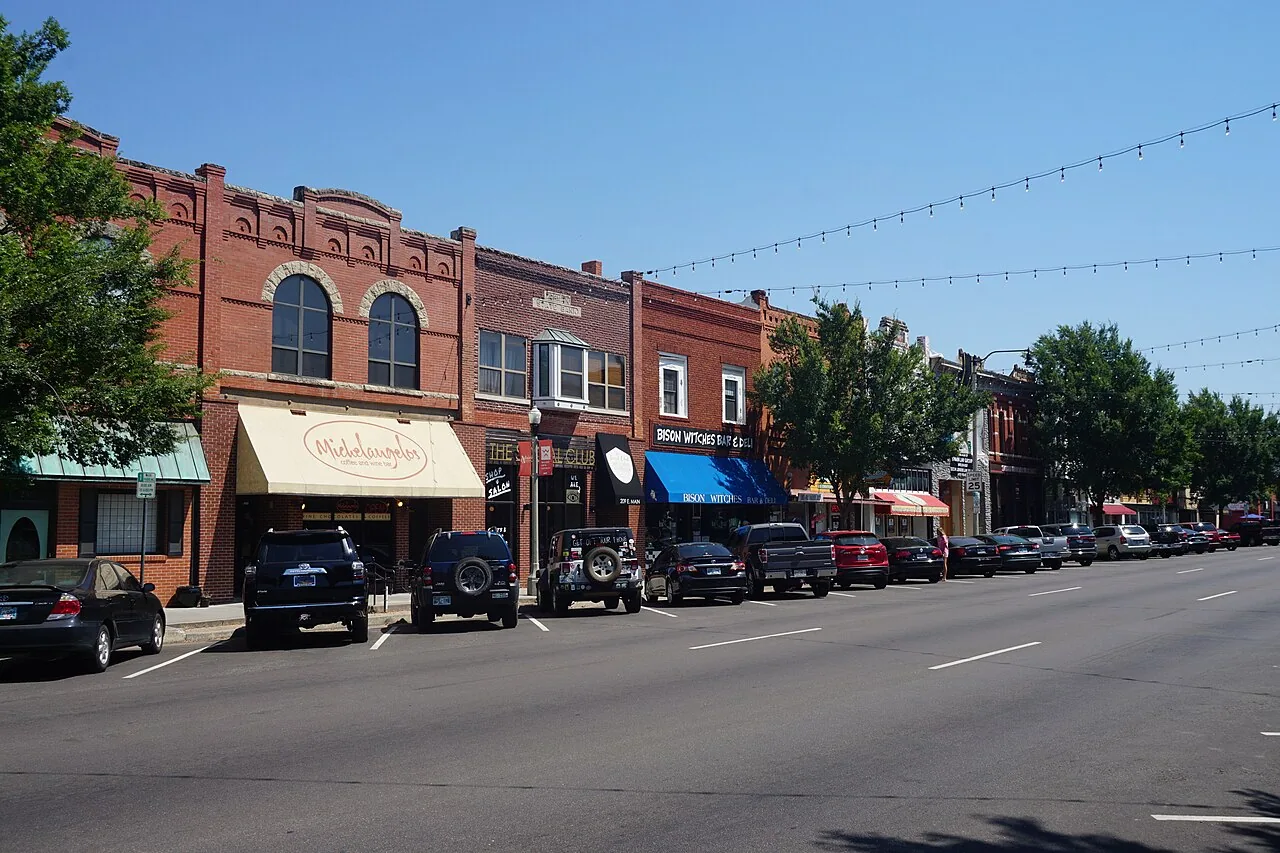
Campus Corner is a commercial district directly north of the University of Oklahoma in Norman, OK. White Street, University Boulevard, Boyd Street and Asp Avenue bound the district. For a requested building, commercial roof repair at the Campus Corner property follows its actual assembly and component arrangement. The district's commercial uses inform operating coordination, while the installed membrane, support and layer findings establish the correction. We identify the physical contact and the trade task needed before the permanent roof detail closes beneath equipment.
Which component keeps pressing into the roof detail?
A bracket, frame edge or misplaced service part can abrade roofing without changing the main equipment support. We examine where that contact occurs and whether the component moves during its intended operation. The task identifies the receiving membrane and the clearance needed for a suitable repair. Covering the damaged fold with another strip while preserving the pressing edge can leave the same failure mechanism active.
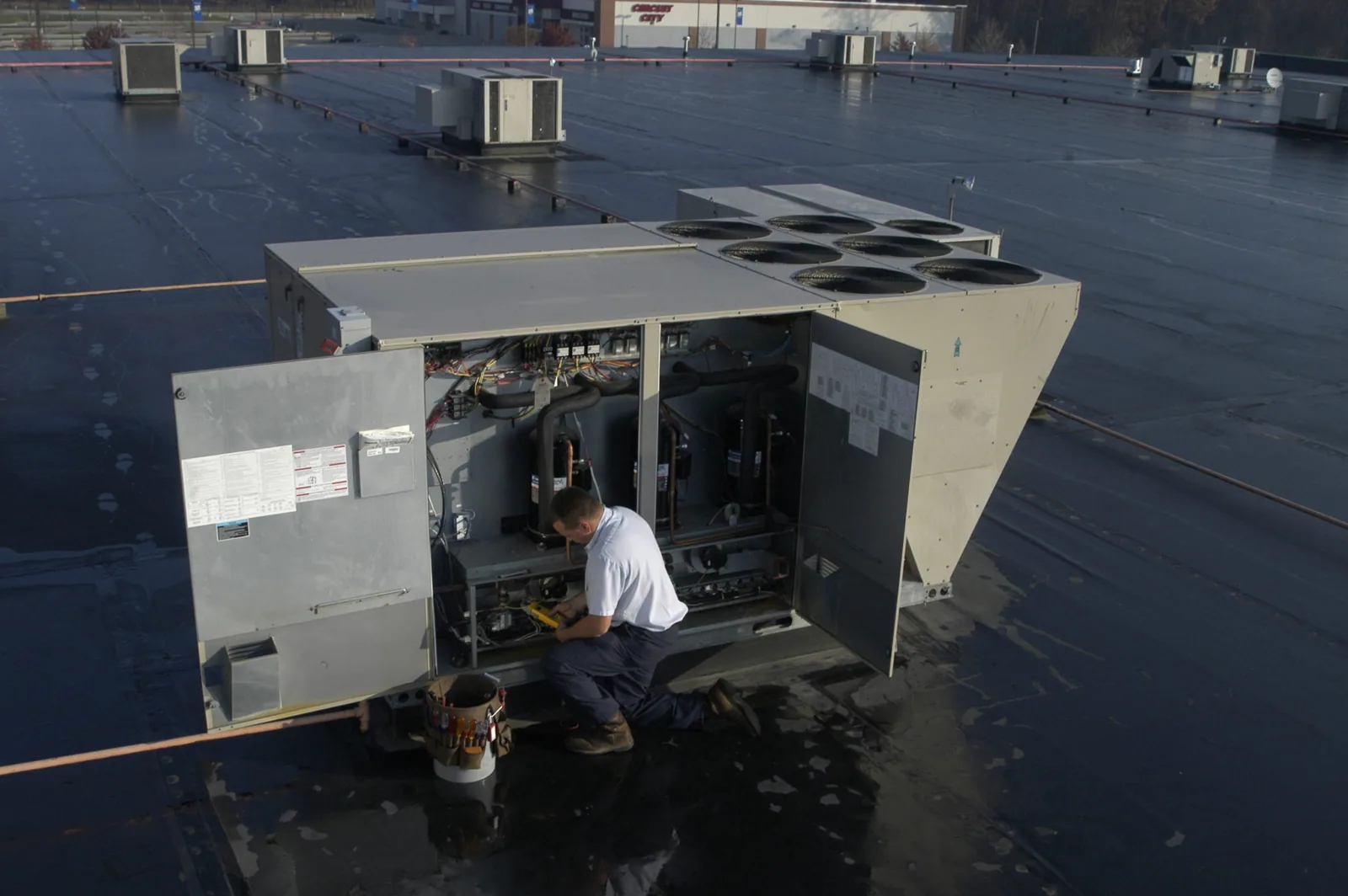
Equipment support and flashing clearance correction is coordinated with the responsible component trade. That trade addresses the bracket or placement task, while roofing identifies the compatible preparation and joining boundary. Support or loading questions receive the appropriate professional review where necessary. The new membrane detail proceeds after the component relationship is suitable, with inspection available before another part returns above it. The final arrangement should preserve the repaired fold and service movement rather than using the new roofing as a cushion for an unresolved contact point.
How much sound sheet remains beside the service damage?
A rubbed membrane can have damage extending beyond the visible opening. We examine the surrounding material and earlier repairs before defining the joining boundary. Contamination from the actual operation may also affect preparation at the requested roof. The selected cleaning or removal method follows the membrane and compatible repair requirements, establishing a suitable receiving surface before installation.
Reconstruction of the damaged equipment flashing uses the installed material and component geometry. Thermoplastic connections follow suitable welding conditions; rubber or bituminous details follow their compatible preparation and joining methods. The repair needs enough usable sheet and access to form the required junction, especially at folds and corners. We inspect the completed detail after the connection is ready for examination. That check is staged before equipment placement narrows access, keeping the component clearance and membrane joining task aligned at the same physical boundary.
How does the commercial district affect preparation and removal access?
Campus Corner's merchants, restaurants and bars occupy the district directly north of the university. At a requested property, the roof task needs a material route and work zone coordinated with its actual entrances, service operation and affected occupied areas. We locate the component release and the roofing opening before setting that arrangement. The property contact identifies the relevant operating access with the project team.
Commercial roofing coordination near Downtown Norman likewise follows each requested building's detail and use. Within Campus Corner's street boundaries, the physical working route is assessed at the property rather than assigned from the district's location. We identify where damaged material leaves and where replacement roofing can be handled without interrupting required preparation. The daily opening is linked to the layer and component work that can reach suitable protection or closure. New findings are reviewed before extending exposure into another area, keeping the plan connected to the actual unfinished construction task.
What should be checked below the punctured or abraded membrane?
An opening beside equipment can admit water into insulation and supporting boards. We investigate the concealed condition relevant to the proposed repair and examine layers where exposure is needed. The affected area may not end at the surface split. A usable reconstruction boundary includes suitable adjoining material and a base capable of receiving the new covering.
Moisture investigation at the equipment damage area can guide material checks under appropriate survey conditions. Those checks establish what can remain before removal extent is chosen. The exposed support is assessed, with a structural concern reviewed by the responsible professional when necessary. We replace unsuitable layers and account for the profile at the curb, bracket and outlet. Roofing closes after that receiving construction and the component clearance task are ready. The correction then reconnects suitable material instead of covering an unresolved base condition beneath the visible equipment repair.
When does the equipment repair lead to a wider renewal proposal?
Unsuitable layers or repeated attachment problems beyond the equipment detail can change the viable roof work. We assess retained condition and the proposed assembly before comparing localized repair, recover and replacement. A recover needs suitable retained layers and workable component height. Replacement adds removal and base access, with corresponding material handling and protection tasks at the occupied property.
Replacement of the affected commercial roof assembly is evaluated through those findings and applicable project requirements. The component detail must remain suitable for the proposed new surface, including flashing clearance and service access. The field profile is checked into the actual drain or scupper approach. We identify the support and equipment work each option requires before the owner chooses the construction method. Cost and timing follow removal extent, material preparation and adjoining trade tasks rather than the membrane name alone or a general assumption about the district's commercial buildings.
What should change before the next equipment service visit?
A returning service part can reload a repaired flashing if its final position is not coordinated with the roof detail. We identify the corrected component clearance and the completed membrane boundary. The service route is examined where walkway or equipment contact reaches the repaired area. A new support or placement change is reviewed before it disturbs that connection.
Commercial roof work across Norman includes assessment of actual movement and bond condition at installed interfaces. Cleveland County's climate normals describe summer heat and freezing nights, considered with the specific component and material relationship being examined. Accessible debris clearing and defect repair use methods suitable for the covering. A new scrape or split needs compatible receiving preparation rather than another general surface treatment. The next maintenance or component task is coordinated before access narrows, preserving the construction clearance and repaired junction that allowed the original defect to be corrected.
Related Work
Commercial Roofing Questions
Can another membrane strip protect a flashing from a pressing equipment bracket?
Inspect the contact and component movement before adding roofing. The bracket or placement may need correction first. We coordinate that task and reconstruct compatible membrane after suitable clearance is available, rather than leaving the new sheet beneath the same pressing edge.
How should earlier repairs or service residue affect the new joining boundary?
Assess the membrane and its preparation condition at the actual detail. Unsuitable material may need removal to a wider usable edge. We choose the compatible method and establish sufficient joining space before the replacement flashing is installed.
Will the visible equipment scrape show the full removal extent below it?
Investigate the concealed layers relevant to retention. Water and damaged boards can extend beyond the surface opening. We use suitable investigation and material checks to identify the usable reconstruction boundary before closing the repaired component junction.
What needs coordination before the equipment trade returns to service the unit?
Identify the corrected clearance and finished membrane connection. The responsible trade coordinates placement and movement so its service part does not reload the repaired fold. Roofing examines any new contact change before another task disturbs the junction or limits preparation access.
Separate the Campus Corner service contact from the roofing repair
Provide the building location, equipment contact, installed covering and planned component access. We will assess clearance and usable receiving material before the flashing is reconstructed beneath the service arrangement.
Request a Roof Assessment