
Service Areas
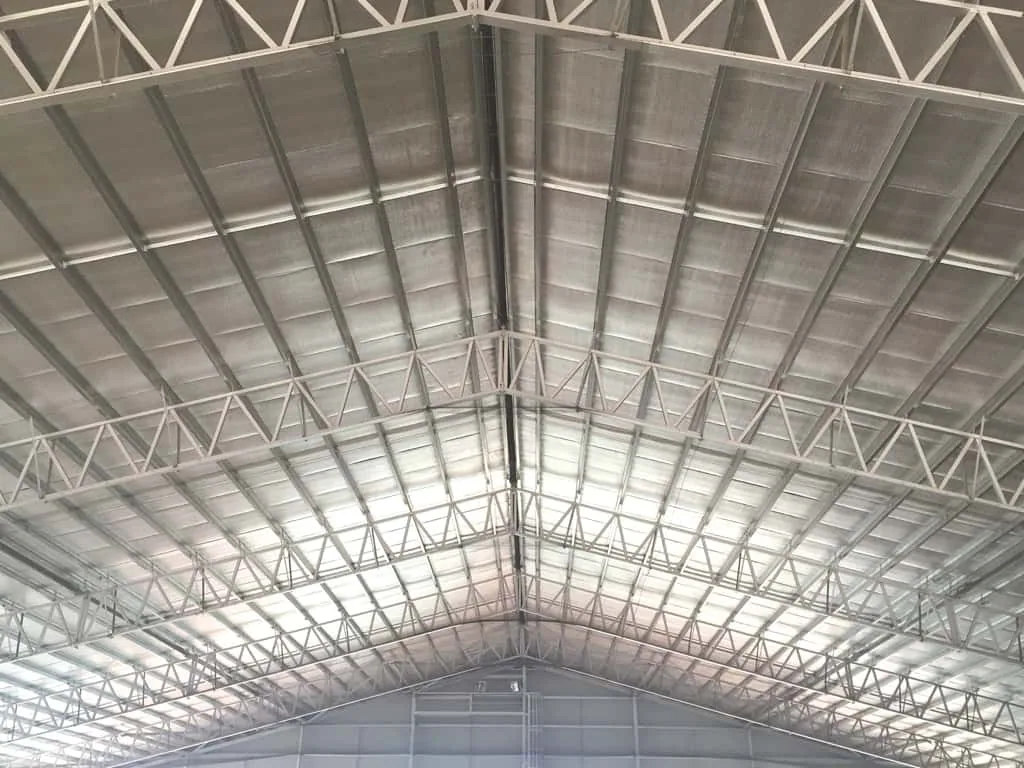
Roof work for Moore's commercial, industrial and school properties includes assessment of component fit where metal panels meet their closures. A closure strip with the wrong profile can leave gaps at panel ribs even while its flat portions appear compressed. We examine that contact before assigning another seal along the exposed joint. The receiving shape and attachment need correction where the component cannot close through the actual panel geometry.
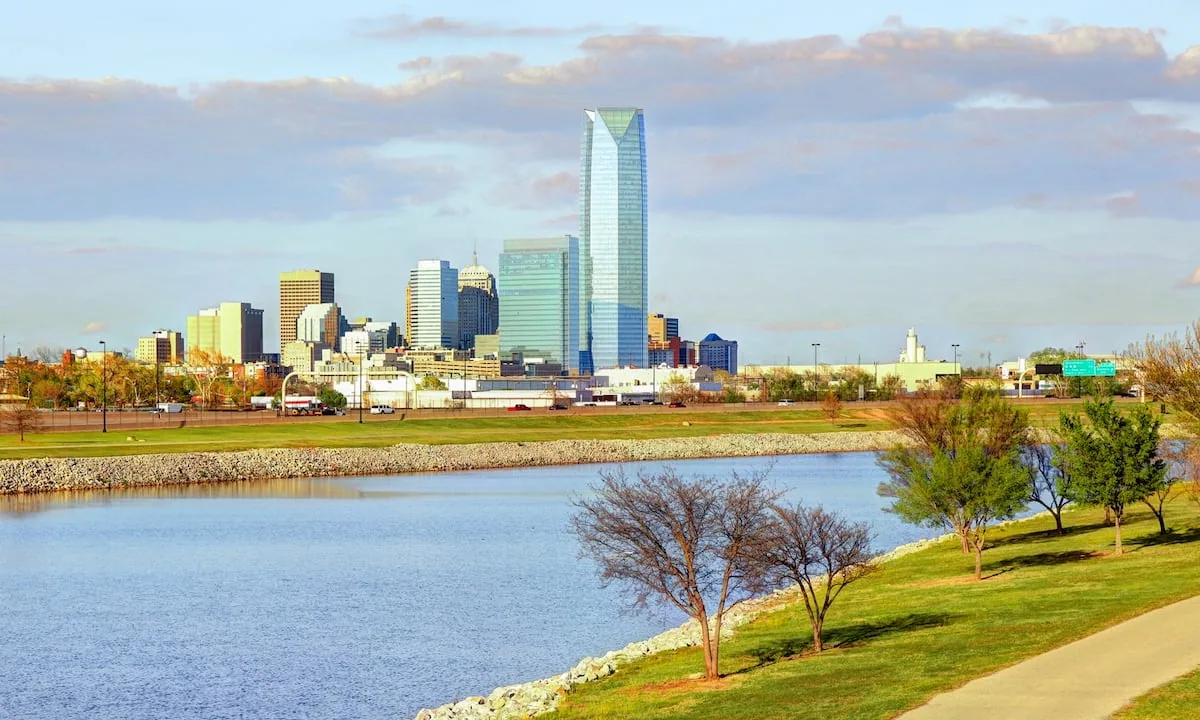
Moore lies in northern Cleveland County immediately south of Oklahoma City. Its public and private school facilities accompany commercial and industrial businesses. For a requested property, commercial roof repair in Moore follows the installed metal or membrane assembly and its actual receiving condition. We identify usable panel, sheet and supporting material before selecting a compatible detail. The component task is coordinated with permanent roofing so the correction does not preserve a misfitted closure beneath new material.
Where does the closure fail to meet the panel ribs?
A closure can contact the panel flats while leaving openings at higher ribs or changes in shape. We examine the component profile, compression and attachment at the actual junction. Earlier surface material may hide part of that fit, requiring preparation or release before the receiving faces are accessible. The correction needs continuity through the panel shape rather than another exposed bead over an unsuitable component.
Metal panel and transition assessment follows the installed roof configuration and compatible detail requirements. We inspect panel condition and the adjoining base before replacing the closure or rebuilding its connection. Where movement needs accommodation, the selected arrangement preserves that function. A damaged support or design question is coordinated with the responsible professional. The component and roof work are checked while accessible, then closed in the order required to avoid concealing an unfinished receiving junction beneath a newly placed panel or trim.
What material can remain beside the misfitted detail?
A panel at the junction can carry corrosion, displaced attachment or deformation outside the visible gap. We inspect the actual metal and determine the usable repair boundary before selecting renewal. A surrounding membrane transition also needs identification and suitable preparation. A seal that spans multiple materials must follow their compatible connection rather than assuming all exposed surfaces can receive the same treatment.
Metal edge and adjoining component correction identifies the receiving profile and attachment tasks required. We assess whether local reconstruction can retain sound material or whether the affected section needs wider removal. The new piece is prepared and positioned through suitable construction, with attention to its discharge and movement relationship. Later trim placement follows the relevant inspection stage. The completed detail then connects usable roof and component materials rather than relying on an outer repair strip to stabilize an unsuitable support or bridge a profile gap that remains beneath it.
How do commercial and school uses affect the working area?
Moore has both industrial and commercial businesses, along with public and private school facilities. At a requested building, the panel or membrane task needs its own material route and occupied-area arrangement. We locate the repair and identify any component release needed for preparation. The property contact coordinates the affected access and operating period with the project team before exposure.
Commercial roof coordination in Norman likewise follows each property's installed construction. A school room, production area or commercial entrance below the roof task can change where removal and replacement materials are handled. We connect that arrangement to the actual opening and suitable daily protection. A changed component or support finding is reviewed before another roof section opens. Construction proceeds through the receiving tasks available for completion, keeping the operational coordination tied to the physical panel, sheet and component boundary rather than a general schedule detached from unfinished preparation.
What does Moore's regional location change for a requested project?
Moore's position south of Oklahoma City provides driving access to the University of Oklahoma and Tinker Air Force Base. The city's northern Cleveland County setting also connects its commercial activity with the broader Norman-area market. At a requested roofing project, that regional context is considered alongside the actual building access and service arrangement. We establish the repair location and material route before selecting the work boundary.
Commercial roof assessment in Newcastle elsewhere in the region follows its own requested property and assembly. For the Moore building, a component trade's access may be required while the metal or membrane junction remains open. We identify that task and the inspection point before later placement narrows the receiving area. The geographic connection does not replace the construction plan at the property. Materials, support correction and protection are coordinated through the actual roof detail so the next layer proceeds after its receiving base and component are ready.
Has the open profile affected insulation or the supporting base?
Water through a misfitted closure can reach layers beneath the panel or adjoining membrane. We investigate the concealed condition relevant to retention and examine materials where access is required by the correction. The usable removal boundary includes suitable adjoining construction and support. An intact outer panel does not restore a wet or displaced layer beneath the component.
Moisture investigation of the affected roof assembly can guide material checks under appropriate conditions. We connect findings to actual layer examination before selecting removal. A structural concern receives review from the responsible professional, and replacement layers are coordinated with the intended panel or membrane profile. The roofing closes after support and component tasks are suitable. Temporary protection serves the unfinished interval, preserving the ability to inspect the receiving base before permanent material makes it inaccessible. The correction thus addresses both the entry detail and the affected assembly beyond its visible gap.
What should change before a broader renewal or another service alteration?
A new covering can alter the height and component relationship at a panel transition. We assess retained material, attachment and the proposed field profile before recommending recover or replacement. A usable metal base may support a compatible renewal arrangement, while unsuitable layers or support can require removal. The selected method also needs workable drainage and clearance at adjoining equipment.
Retained-roof renewal evaluation follows those conditions and applicable project requirements. Cleveland County's climate normals include heat, freezing nights and snowfall, considered with actual installed movement and discharge. Later maintenance examines accessible component fit, debris and new defects through suitable methods. A changed profile or attachment is assessed before another surface seal is assigned. The next construction task proceeds after the required support and receiving preparation are ready, preserving compatible panel and membrane junctions rather than closing an unresolved component fit beneath additional roof material.
Related Work
Commercial Roofing Questions
Can an exposed seal close a strip that does not match the panel ribs?
Inspect the component profile and contact before selecting the correction. A misfitted closure can leave concealed gaps despite an outer seal. We coordinate suitable replacement or reconstruction through the actual panel shape and check the receiving junction before it closes.
How should damage beyond the visible metal gap affect repair extent?
Assess panel condition, attachment and the adjoining assembly. Unsuitable material may require a wider reconstruction boundary. We retain usable roofing where compatible connection is possible and address support or component tasks before new material conceals the defect.
Will a school or industrial operation determine the roof repair material?
Identify the installed assembly and receiving condition first. Building use affects access, protection and component timing, while the inspected materials establish compatible construction. We connect those findings before setting the daily opening and permanent repair detail.
What needs checking before a recover changes a metal transition?
Review retained-layer suitability and compare the proposed height with component fit and drainage. Additional roofing can require a revised receiving detail. We identify those tasks before placement so the new assembly does not preserve an unsuitable profile or conceal an unfinished support correction.
Check the Moore panel profile before closing the roof detail
Provide the building location, installed covering, component gap and any panel or service work planned nearby. We will assess fit, usable layers and compatible preparation before setting the reconstruction sequence.
Request a Roof Assessment