
Roof Systems
Dirt held within a TPO overlap can interrupt the bond a repair weld needs to create. The adjoining sheet has to be examined and prepared before another membrane strip is selected. We install and repair TPO commercial roofing in Norman, OK, by following the connection from its receiving layers through welded seams, flashing and perimeter work. The system is chosen against the deck, insulation, equipment and drainage conditions found at the requested building.
University North Park has retail businesses and hotels along Interstate 35. Fitness studios, restaurants and automotive service operations appear in the Lindsey Street District’s business directory. Those uses can affect service traffic and the working period on a requested roof. We examine the actual assembly and operating needs before proposing new sheet or repair material. A TPO seam and detail assessment identifies which connections remain suitable and which need preparation, layer investigation or reconstruction.
What receives the new seam weld?
A weathered seam edge can need cleaning and preparation different from a newly installed sheet. We examine the material condition and any earlier coating or repair before deciding how the connection can be restored. The repair boundary reaches membrane capable of receiving the selected weld. Material that is releasing, damaged or incompatible may require removal rather than another covering strip.
Welding depends on the membrane, preparation and application conditions, with appropriate checks during installation. We examine completed seams using methods suited to the assembly and address incomplete connections before they become concealed by adjoining work. Corners and changes in direction receive separate attention because their geometry differs from the straight field seam. A repair to a failed lap also considers the condition that caused it, including sheet movement or contact. The corrective detail follows those findings so the repaired connection is not left subject to an unchanged adjoining problem.
Which retained layers can support the sheet?
A membrane resting over unsuitable insulation can lose useful support even where its seams remain intact. We assess the proposed receiving layers and identify moisture or deterioration requiring investigation. The deck and attachment arrangement are examined for the new assembly, with testing or design input where needed. TPO installation begins from that receiving information rather than from sheet selection alone.
A recover option requires the retained roofing assessed for compatibility, attachment and the applicable project requirements. Where an existing EPDM covering is involved, the transition or separation arrangement must be selected for the materials rather than assuming similar repair methods. New insulation or cover board also changes elevations beside curbs and outlets. We coordinate those relationships before ordering the build-up. The construction team receives the retained and replacement layer tasks together, with receiving surfaces ready before the sheet closes the assembly.
How does the proposed assembly transfer load?
A loose fastener or releasing adhesive connection can affect more than the surface location where movement appears. We examine the deck, insulation arrangement and intended attachment method for the selected TPO system. Mechanically attached and adhered assemblies introduce different preparation and installation questions. The chosen arrangement needs to address the building and project requirements through the actual receiving components.
We identify attachment information needed before installation, including any investigation or design work relevant to the existing base. A suitable cover board can provide a different receiving surface, but it does not correct deteriorated material beneath it. The assembly is assessed through its interfaces so the proposed connection remains supported. TPO replacement construction can expose those components for correction where removal is required. The removal sequence preserves inspection access until the deck and support tasks are ready for the new layers.
Where does the membrane turn onto another component?
A curb side with limited clearance can prevent proper preparation of its flashing transition. We examine the available height, support and equipment arrangement before selecting the TPO detail. Lifting or component alteration may be required to make the connection accessible. The equipment trade's task is coordinated before roofing closure so a finished transition is not reopened immediately for unfinished work.
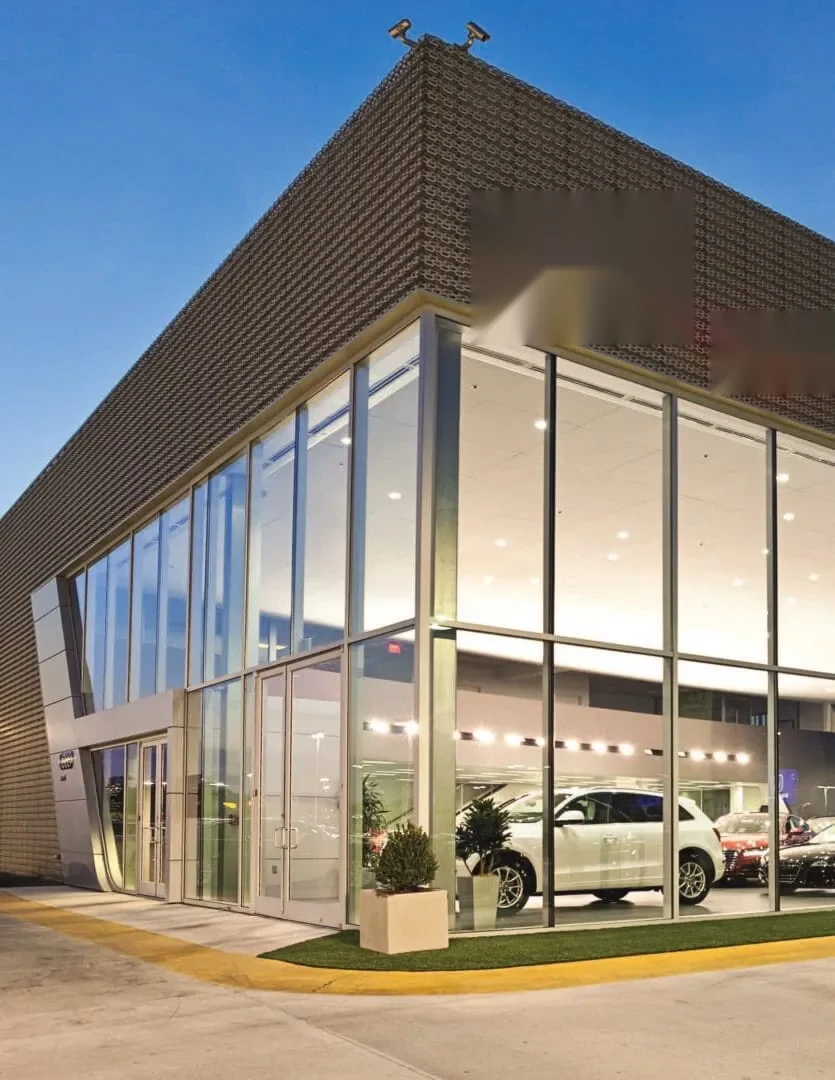
At walls and perimeter metal, the membrane termination must suit its receiving surface and movement. We examine corners, fastening and adjoining components as part of the detail. On an auto dealership property, service equipment and occupied work areas can influence the installation window for a requested roof. The building team identifies those operating conditions. We then coordinate the membrane, flashing and protection at the affected junction, with the inspection stage maintained until each receiving component is suitable for the selected construction.
Does the new covering change the drainage connection?
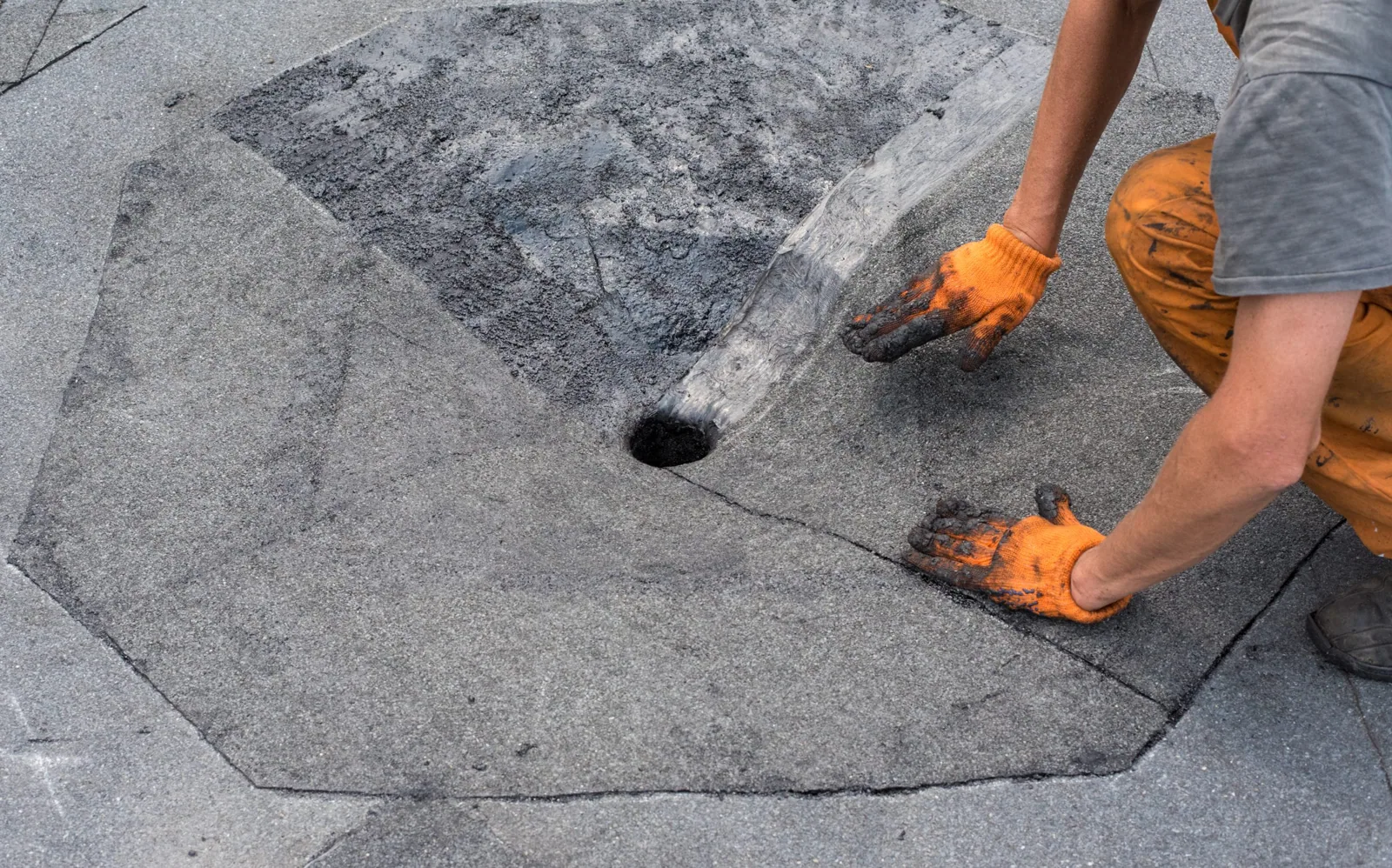
A new membrane follows the profile provided by its underlying layers. It will not supply missing slope at a basin or correct an outlet that sits above the available flow route. We examine drain elevations and surrounding insulation before choosing the layer arrangement. The outlet detail must connect the membrane to a usable receiving component, with any necessary piping task identified separately.
Our drain and scupper work coordinates those connections with the field assembly. In the Lindsey Street District, restaurants and other businesses can have separate entrance and service schedules that affect the requested property's access. We establish the roof opening and protection required around an outlet before construction begins. If layer changes also reduce curb or wall flashing space, those alterations enter the same sequence. The covering then closes a drainage configuration examined together with its adjoining details.
What should later equipment work preserve?
A service tool or sharp replacement part can damage a TPO sheet without affecting the surrounding seam appearance. We identify suitable route protection and the details most exposed to equipment contact. Later maintenance uses materials and methods compatible with the installed covering. New damage is examined for its receiving condition before repair, with concealed moisture investigated where the opening changes the layer decision.
Cleveland County's normal hot days and freezing nights provide seasonal context for assessing movement at the roof's component interfaces. The actual sheet, attachment and adjoining materials determine the inspection points. We provide material and detail information useful to later crews, including where construction altered curbs, outlets or edge connections. A comparison with PVC membrane options can be useful during system selection, but repairs after installation follow the covering actually present. The handoff keeps the TPO assembly identifiable and its service access connected to the roof details completed.
Related Work
Commercial Roofing Questions
Can a new TPO strip be welded across an old contaminated repair?
Examine and prepare the receiving sheet first. Earlier material may need removal if it is incompatible or prevents a suitable connection. We establish the repair boundary from the membrane condition and complete appropriate seam checks after the new material is installed.
Will an adhered TPO system work over loose insulation?
The insulation and receiving surface need suitable support and attachment before the membrane is proposed. We investigate the loose condition and identify its correction. Adhesive application alone does not make an unsound layer beneath the sheet dependable.
Should equipment be moved before the curb is reflashed?
Clearance and the receiving detail determine whether movement is needed. We inspect the curb and coordinate any lift or alteration with the equipment trade. Roofing preparation and closure occur while the junction remains accessible and the support task is ready.
How do you assess damage after a service visit?
Locate the affected sheet and examine its surrounding material and layers where needed. We identify the component creating that contact and select compatible repair components. Protection or a route change may also be required so the same equipment activity does not repeatedly damage the repaired point.
Inspect the TPO assembly and its receiving details
Provide the Norman building location, covering information, affected seam or transition and upcoming trade schedule. We will assess repair or installation tasks through the sheet, supporting layers and adjoining components.
Request a Roof Assessment