Finding and Fixing Roof Damage
Trace commercial roof damage to its failed connection in Norman, OK. We document conditions, control exposure and plan compatible permanent repairs.
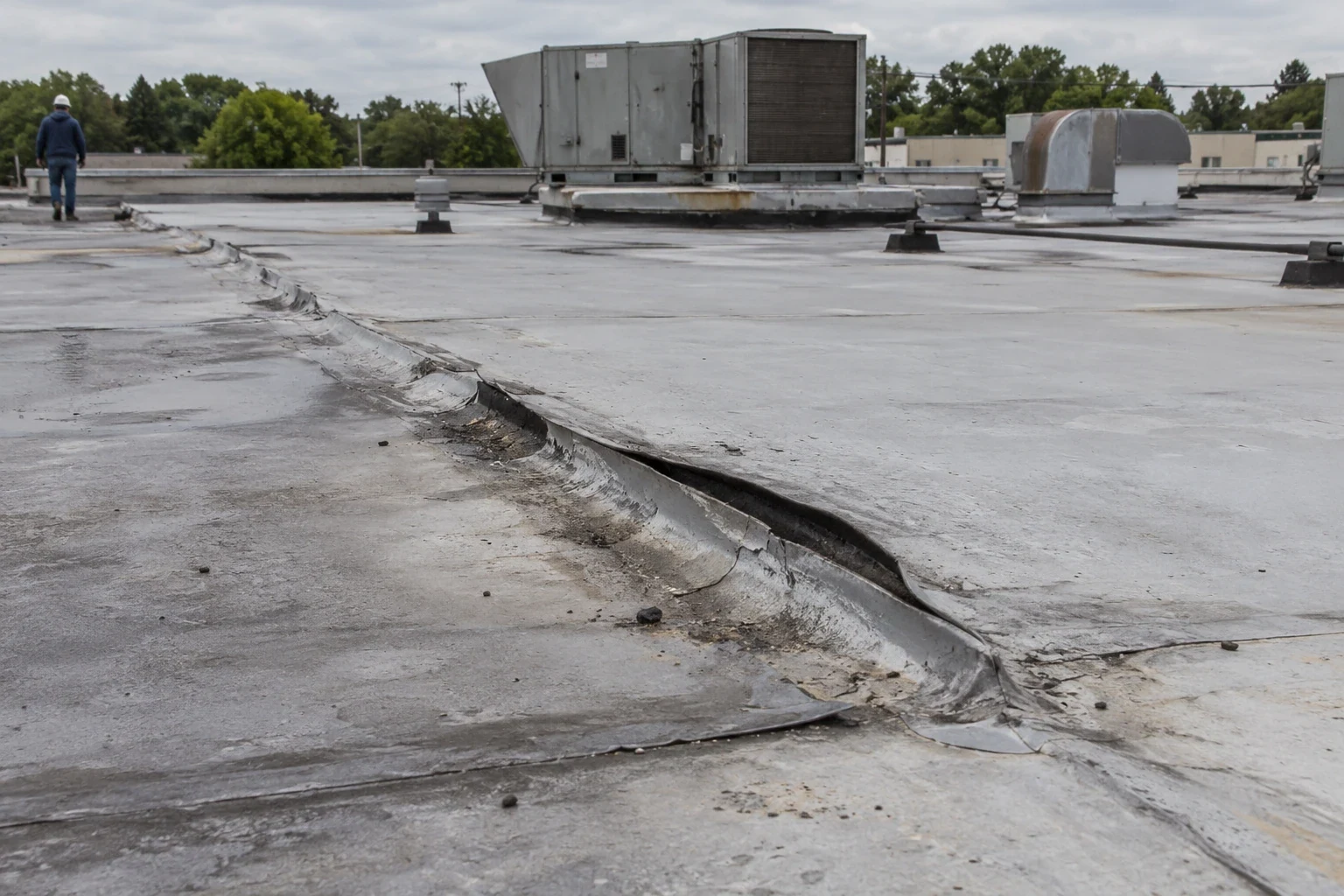
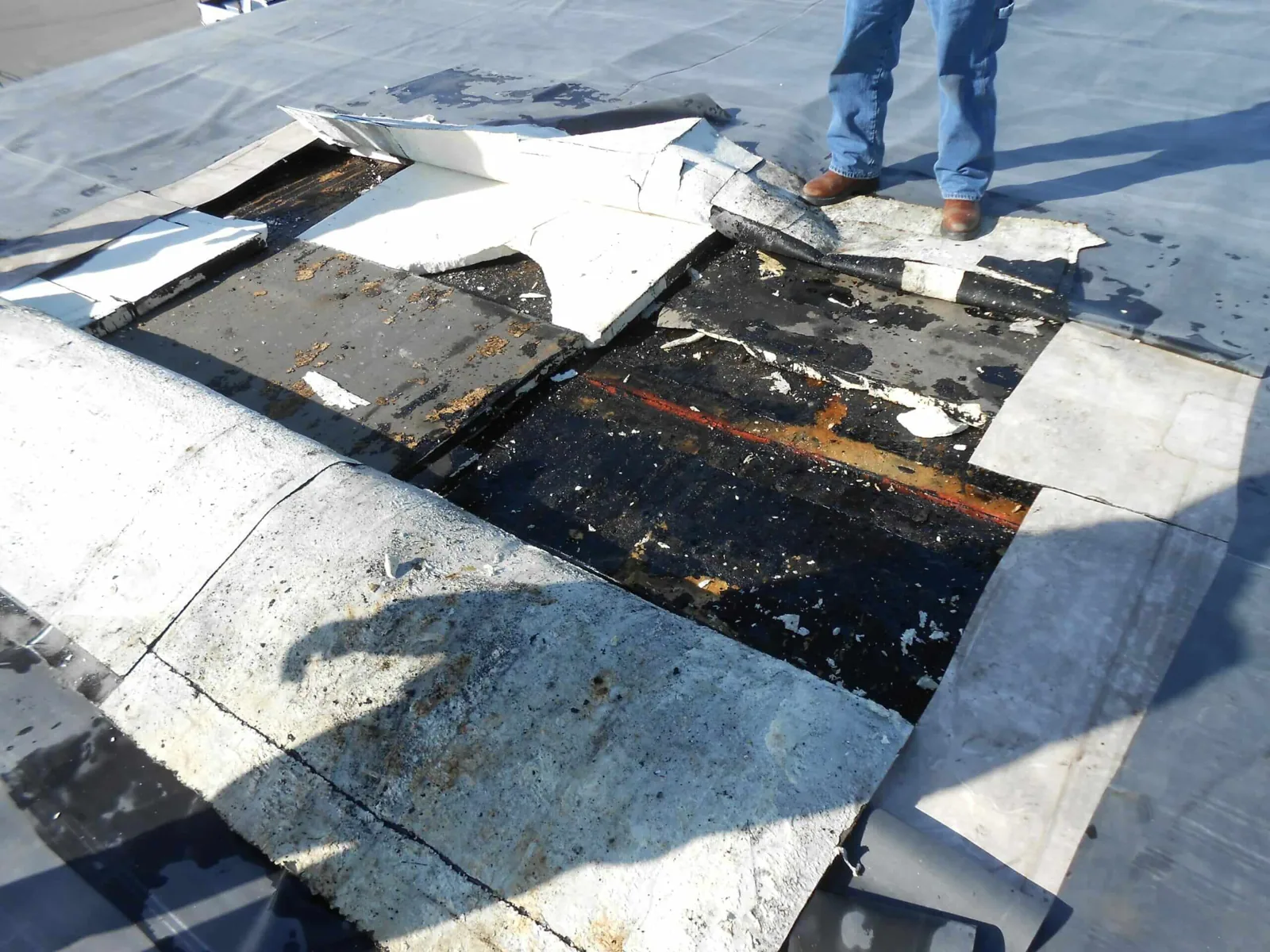
A puncture, displaced edge or open flashing can interrupt the pressure and water path through a roof assembly. The visible mark is only one piece of the repair boundary. Commercial Roofers Norman inspects commercial roofs in Norman, OK, identifies the material that failed and determines what can receive a lasting correction. On April 19, 2023, a weather observation west of Norman measured hail at 1.75 inches. The February Goldsby-Norman tornado received an EF2 rating. After severe weather, we inspect the membrane, seams, edges and penetrations, photograph the affected details and set the repair boundary around the materials that need correction.
Wind Damage Roof Repair
Repair wind-related roof damage in Norman through displaced walkway clearing, overflow inspection and membrane contact checks before compatible correction.
Learn more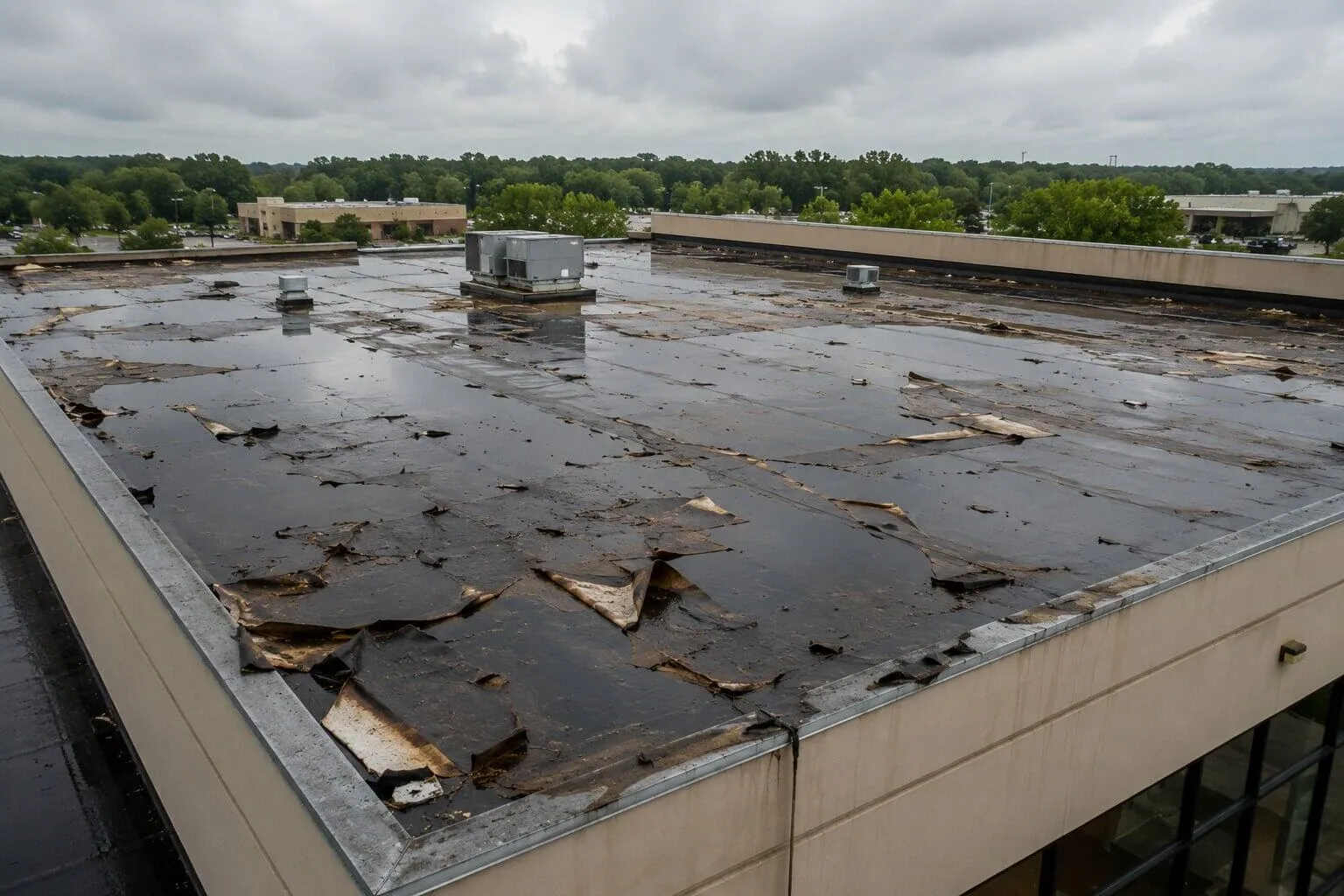
Ponding Water Roof Repair
Repair roof ponding in Norman by assessing inlet height, layer profile and receiving outlets, coordinating drainage corrections with compatible connections.
Learn more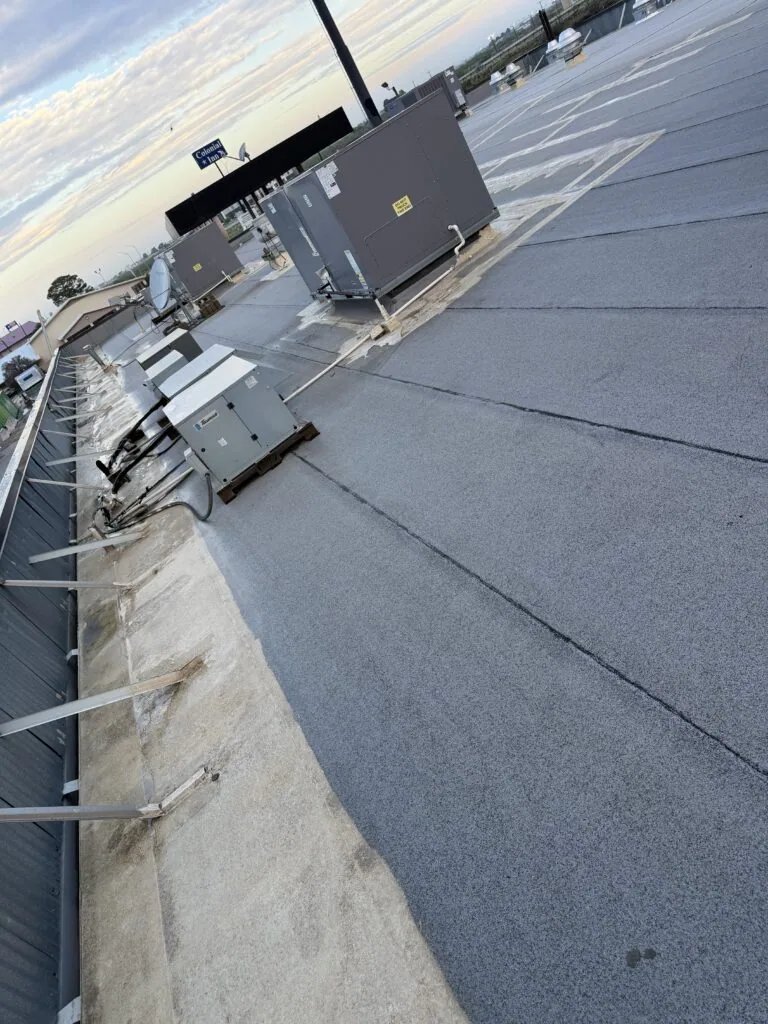
Flashing Failure Repair
Repair failed flashing in Norman by assessing termination pressure, wall base and layer condition, coordinating component correction and compatible closure.
Learn more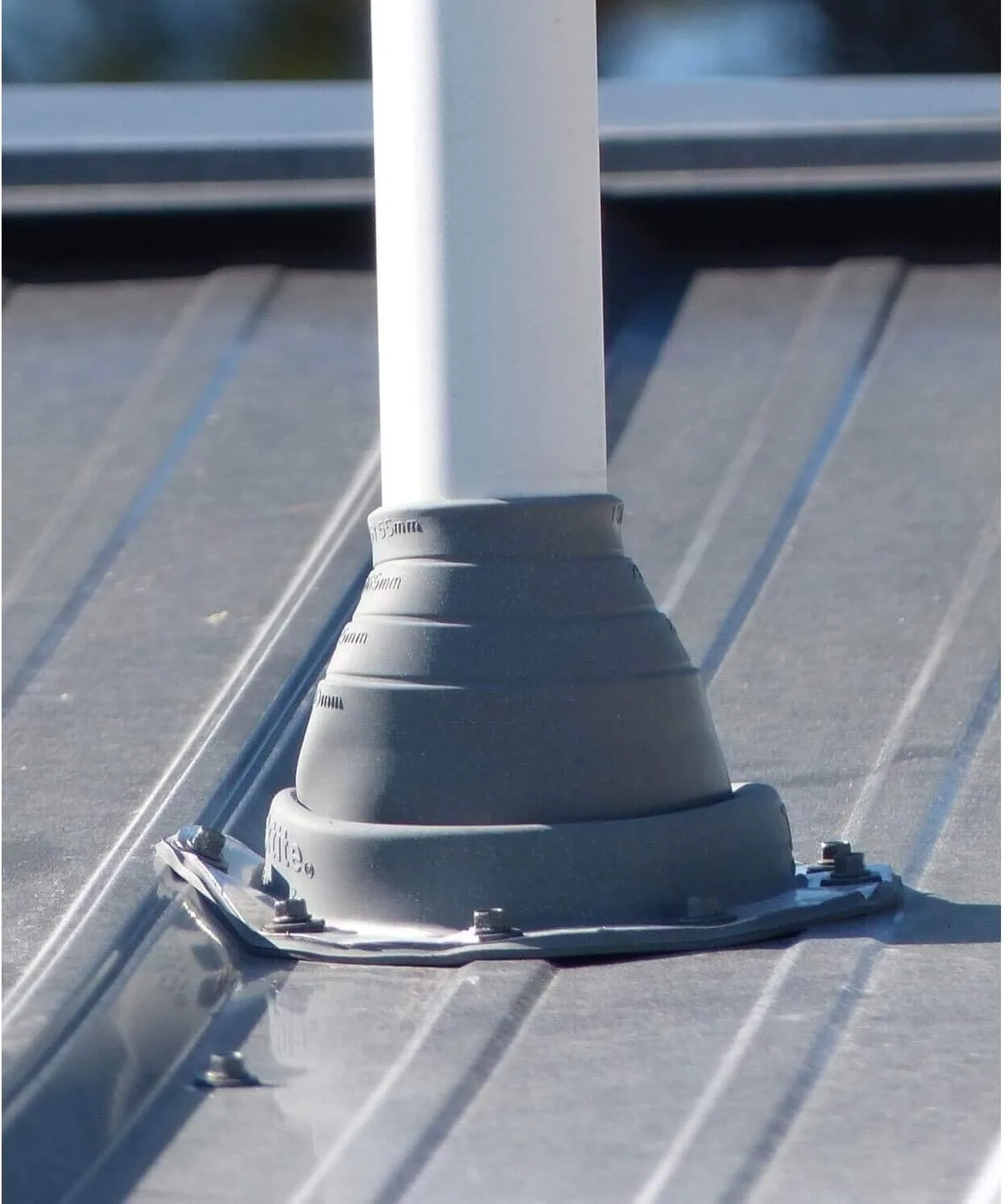
More in This Section
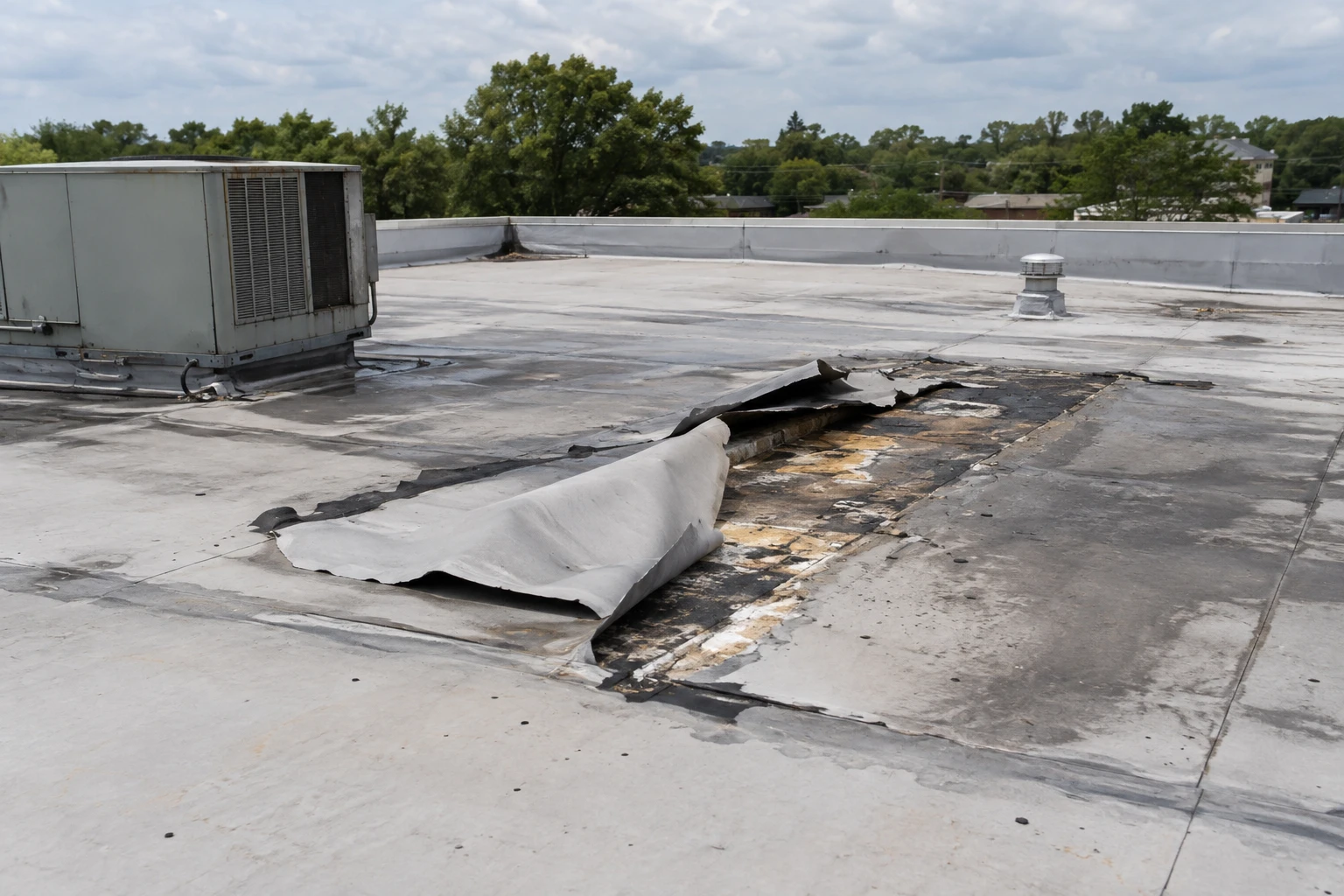
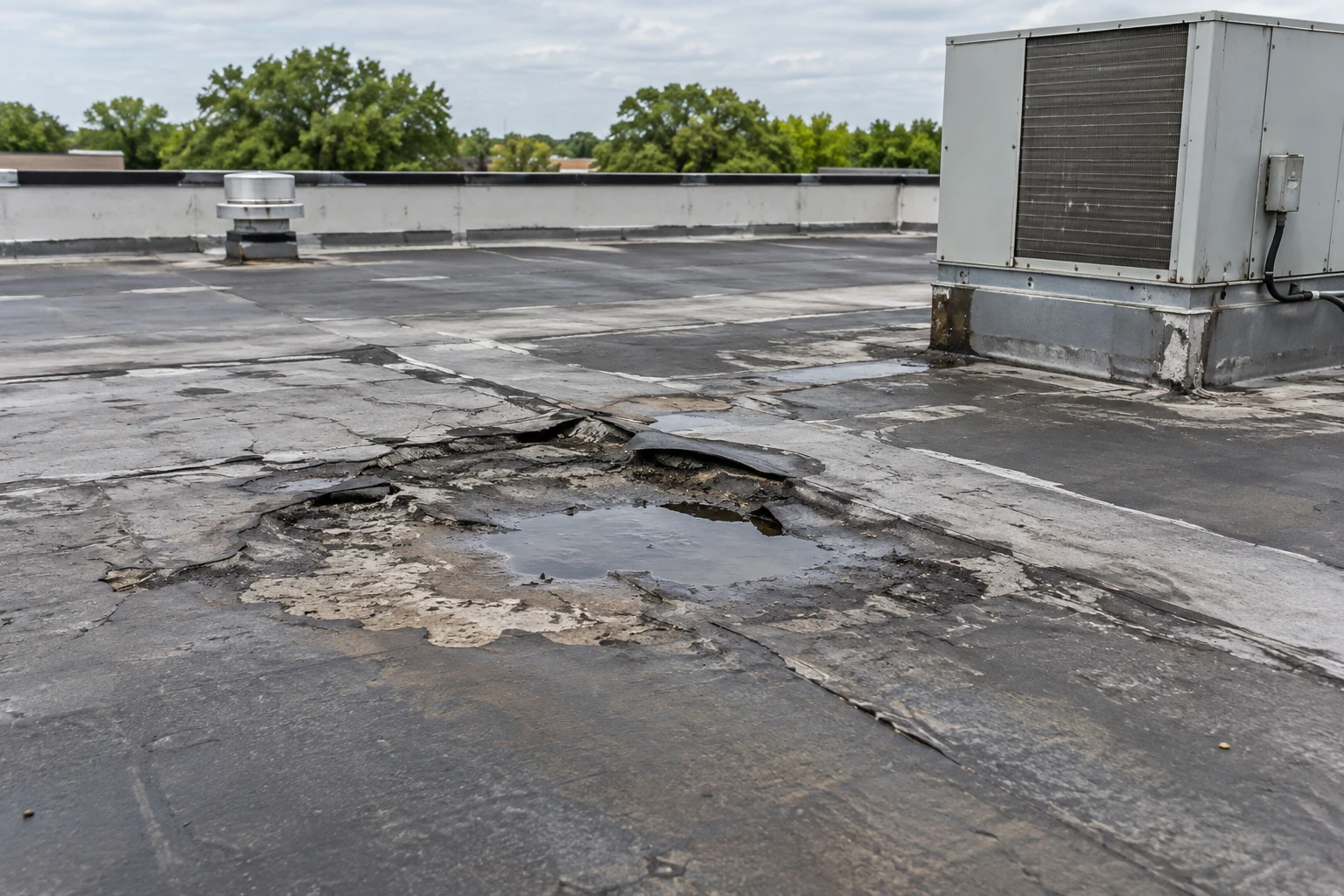
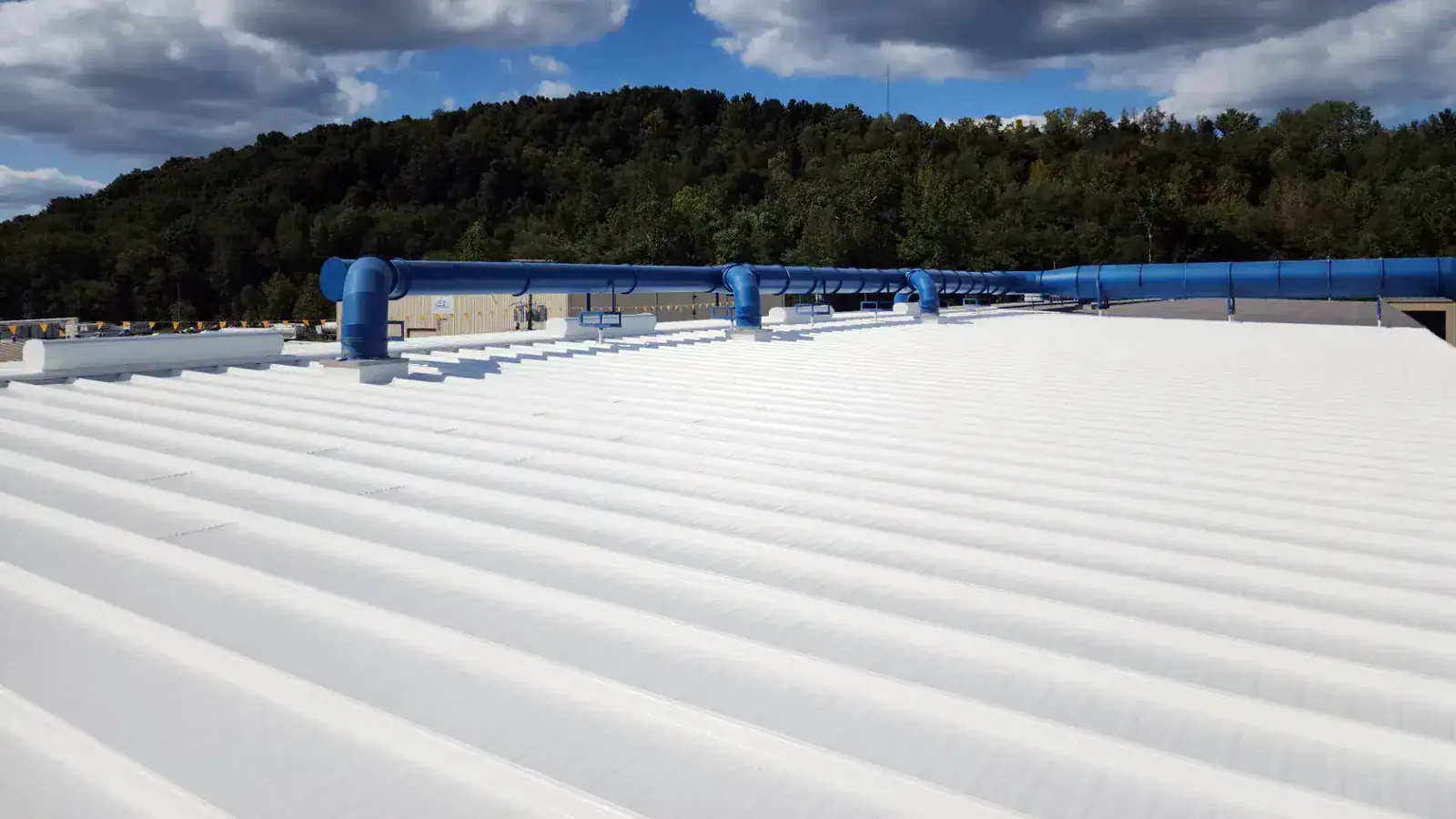
Which connection is allowing water in?
Water entry can begin at a seam, curb, drain, parapet or membrane puncture, then travel before it appears inside. We trace the roof-side path and record affected materials so the repair does not stop at the ceiling stain. Flashing failures need a sound receiving surface and a correctly layered tie-in. Seam separation calls for material identification and suitable preparation before a weld or adhesive repair. When water is active, emergency protection can limit exposure while permanent repair is planned.
What did the weather leave on this roof?
Hail or tornado conditions can affect membrane surfaces, loose edges, flashing and rooftop equipment. Cleveland County's climate summary records thunderstorms, large hail and tornado occurrence, so post-storm inspection should include both the roof field and its connections. We photograph the affected details, check for open joints or drainage changes and separate immediate protection from permanent repair. A hail damage review follows the surface and details, while tornado-related repair begins with safe access and temporary weather protection when needed.
How does drainage affect the repair?
Standing water can keep a detail wet and expose weak seams or low points to extended moisture. We check drains, scuppers and the roof slope before deciding whether membrane work alone will address the condition. Ponding-water repair may require a drainage correction in addition to a surface patch. Along State Highway 9, commercial and university facilities can have rooftop equipment and service penetrations. We inspect the water path at those connections before coordinating roof closure with another trade.
What does a permanent correction need?
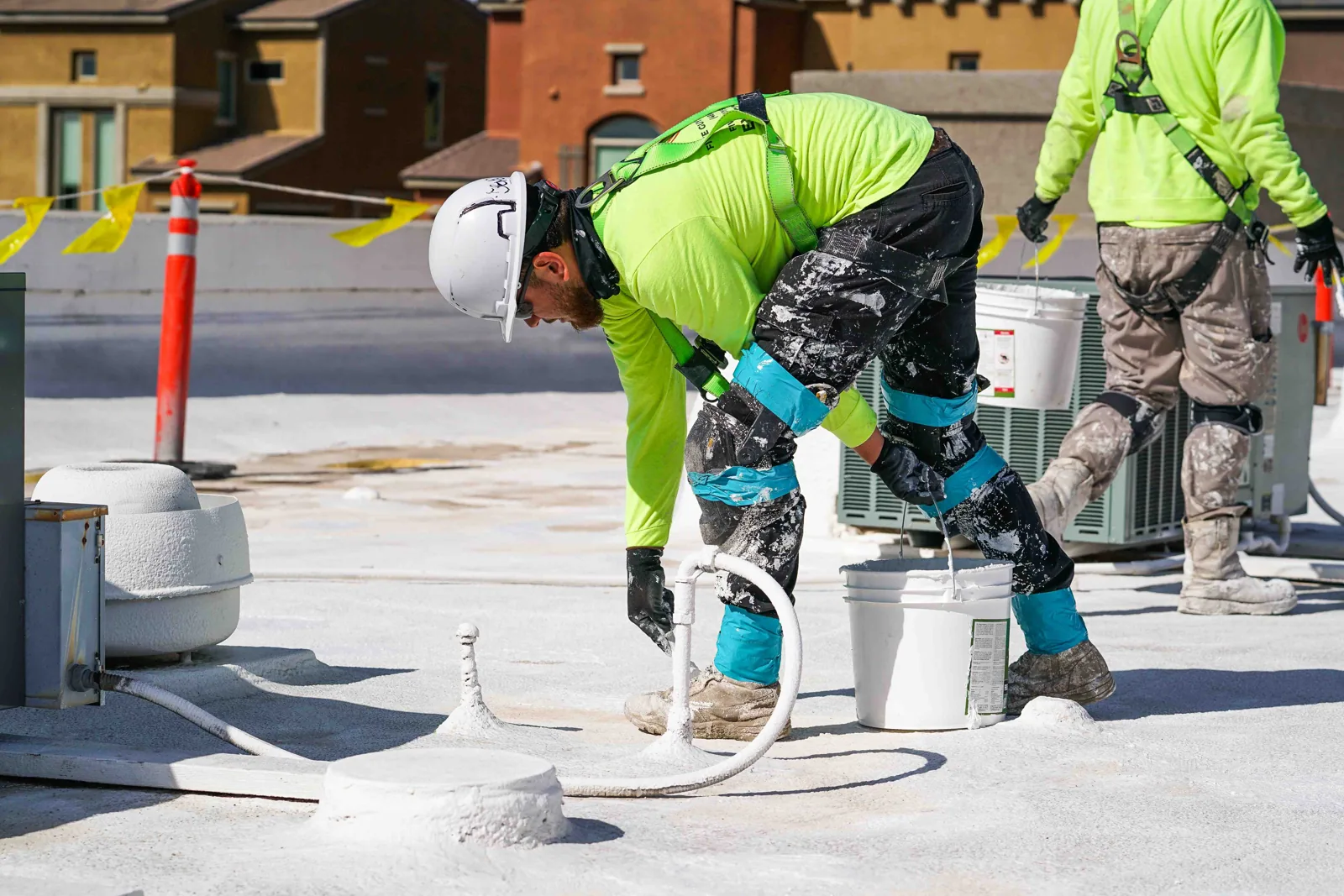
Material compatibility, bond condition and attachment determine whether a repair can stay local. We remove unsound material, prepare the receiving surface and make the tie-in inspectable. If moisture or concealed damage may extend below the membrane, an inspection or selective opening helps establish the next boundary. A storm-damage roof assessment records findings for repair planning; photos and written notes can support the owner's project file. Emergency response operates around the clock, holidays included. Once temporary control is in place, we identify the permanent work and coordinate the schedule with operations and other trades.
Which records help the next decision?
A repair record should identify the location, observed failure, material repaired and any condition left for further review. That record helps distinguish a completed correction from an open question about insulation, drainage or attachment. We explain whether the roof is ready for the next trade or needs another inspection point before closure. Send the building location, reported entry point and available roof-system information so we can assess the connection that failed.
[quotcoll orderby=”random” limit=1]