
Commercial Roofing Services
Water held against a curb tests the membrane connection and the curb's adjoining joints at the same time. Finding which interface admits it changes the repair sequence. We trace commercial roof leaks in Norman, OK, by examining the reported interior condition alongside roof drainage, penetrations, sheet connections and adjacent wall construction. The investigation follows the building's assembly rather than stopping at the nearest exposed defect. A visible opening can explain part of the condition while another junction still requires attention.
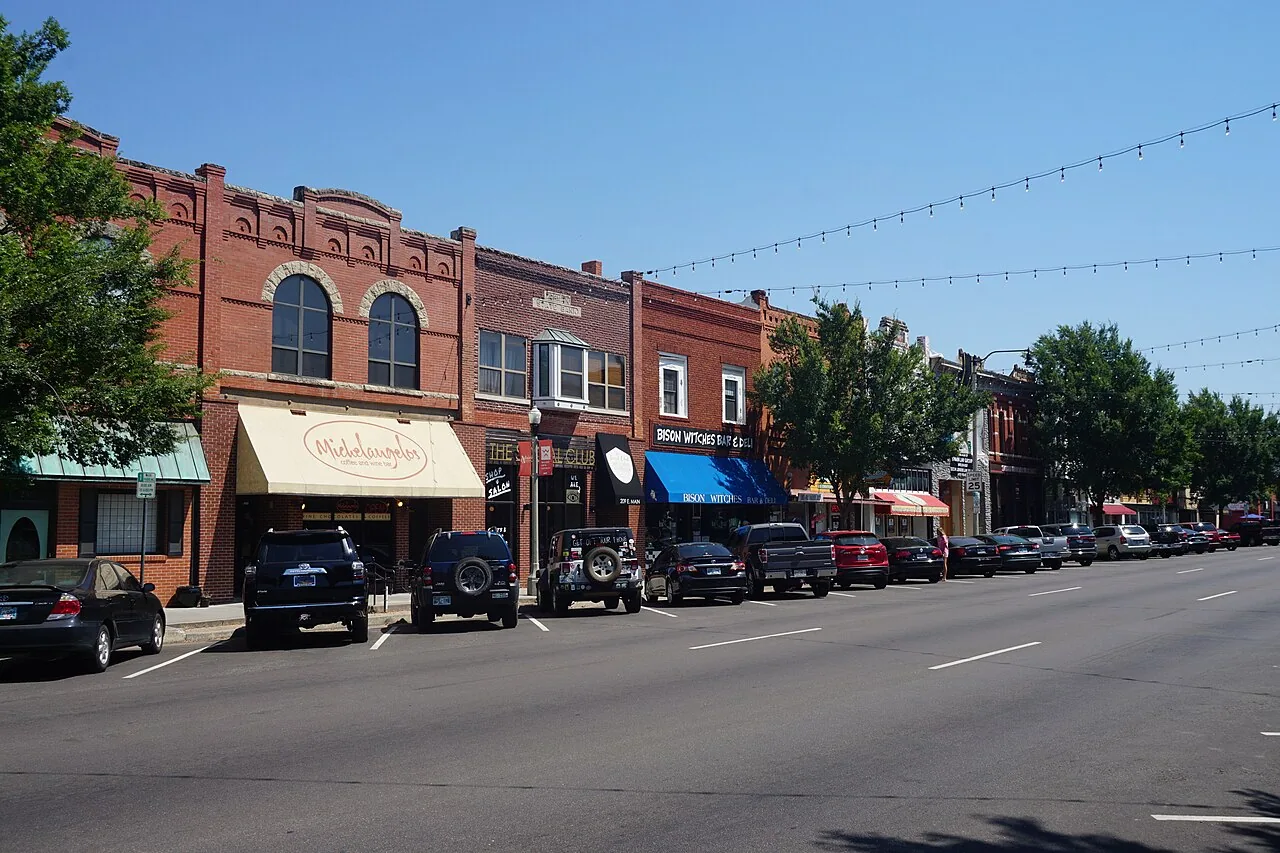
Campus Corner contains shops, restaurants and bars, and the Porter Avenue Corridor combines commercial and institutional uses beside residential neighborhoods. Those operating settings influence access to the affected area and the timing of testing. We coordinate the interior observation point, roof inspection and any adjoining trade work before closing the receiving connection. A planned compatible roof repair follows the evidence from that investigation, with temporary protection arranged where active water entry requires an earlier response.
Which conditions coincide with the water entry?
Rain direction, intensity and duration can change which junction is exposed to water. We ask when entry occurs, whether it continues after rain stops and how it relates to equipment operation. Those observations help select the inspection and testing sequence. A leak during wind-driven rain may call for attention to a higher wall or opening, while water following a long rainfall can make drainage and retained moisture relevant. The assembly still needs examination before a cause is assigned.
We inspect the roof above and around the affected interior area, including higher adjoining surfaces that can deliver water toward it. Existing repairs, sheet transitions and drainage obstructions are compared with the reported timing. An inspection of the roof connections gives the investigation a physical starting point. Where equipment condensation or a plumbing condition could explain the report, we coordinate with the responsible trade. Separating those water routes helps avoid an unnecessary membrane repair and directs the next test toward the interface that remains unresolved.
How is a suspect connection tested?
Testing one junction at a time allows the interior response to be related to the area receiving water. We select methods suitable for the assembly, drainage and occupied space, then coordinate observation below. Controlled water testing requires care because introducing water into an already damaged area can increase interior harm. Electrical, ceiling and equipment conditions are considered before any test proceeds. Where testing is inappropriate, accessible details and physical openings can provide another investigation route.
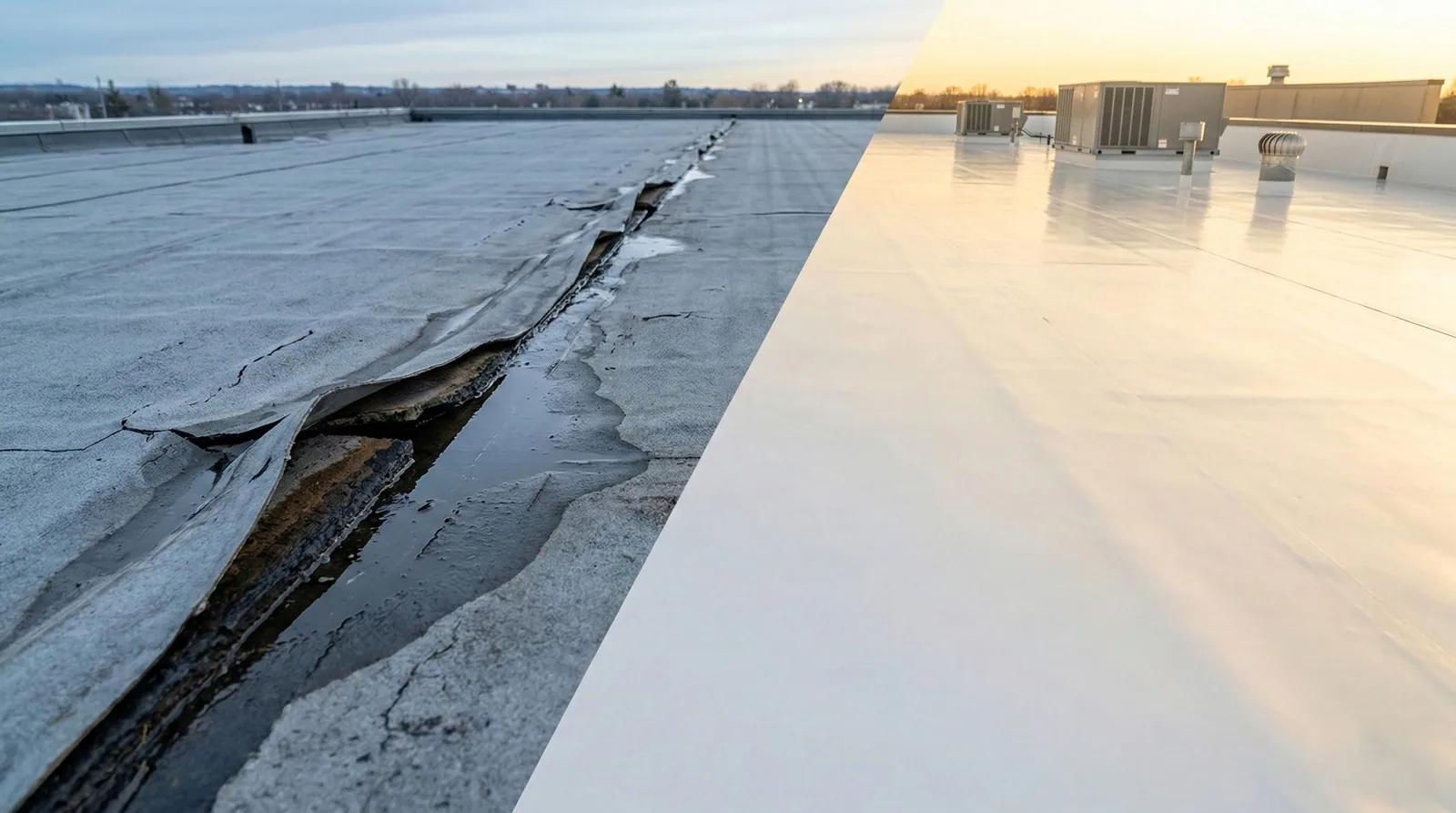
A wall-to-roof junction can include several receiving surfaces: wall cladding, backing, counterflashing, membrane and support. We examine the connection order and identify where an opening must be made to inspect a concealed interface. Our flashing failure work addresses the affected roofing connection, while wall or equipment repairs are assigned to the appropriate trade. The purpose is to establish a repairable boundary with sound material on each side. Applying material across the exposed face without reaching the defective interface can leave the water route intact beneath it.
What happens to wet material beneath the leak?
Stopping entry does not remove water already held in insulation or other layers. We assess the receiving assembly beneath the affected connection and explain where material investigation is needed. Wet insulation can change the support available for a patch, and moisture near metal components can make concealed deterioration relevant. The removal boundary is established from the findings rather than automatically matching the dimensions of the visible interior damage.
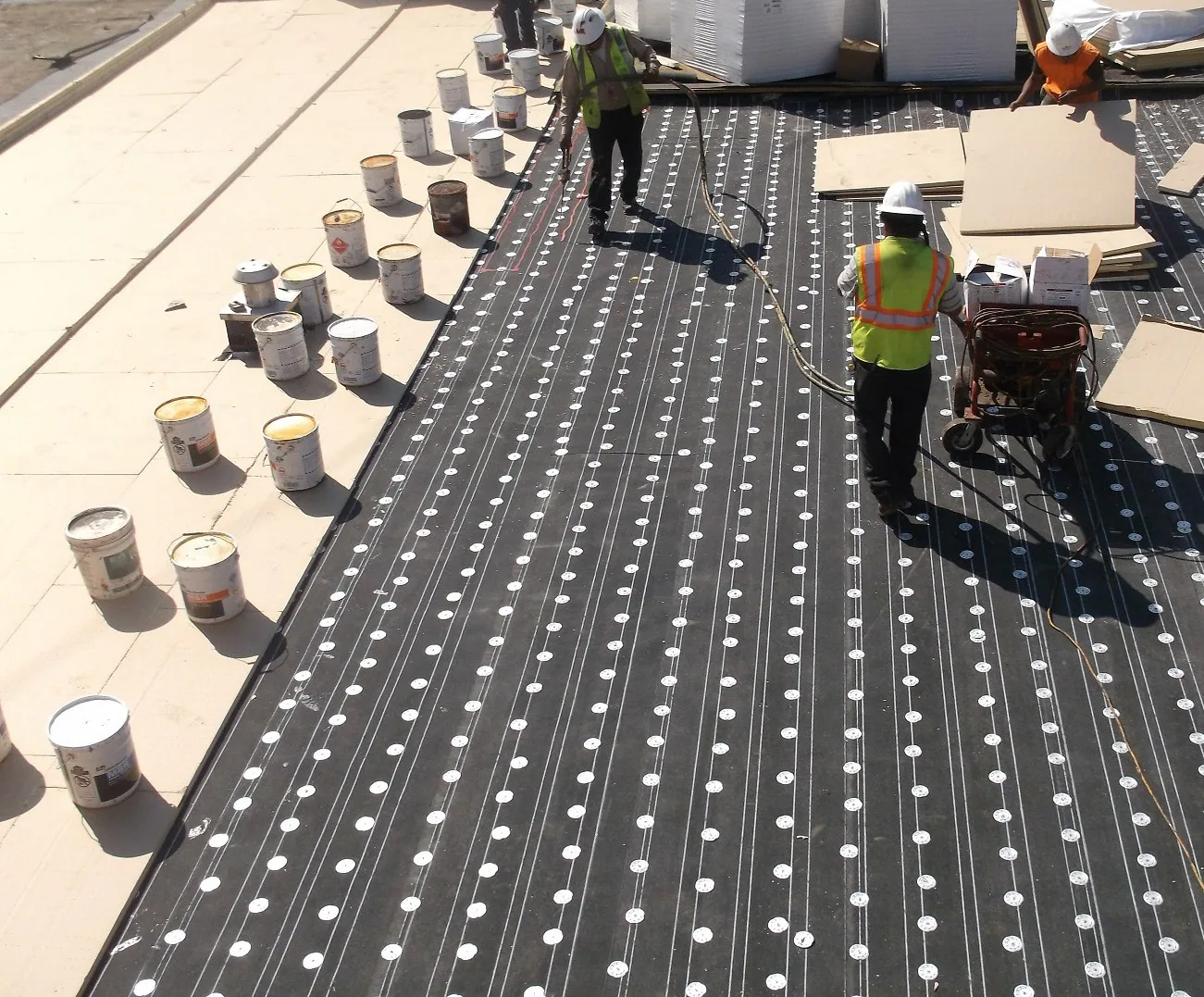
Where conditions suit the method, an infrared survey with test openings can help assess suspect moisture beyond the immediate repair area. We distinguish the surveyed indications from physically confirmed material conditions. A repair may require replacing a local insulation section before the membrane can meet a stable surface. The transition at that replacement is checked for thickness, support and drainage. If the assembly is wet across a broader area, we explain the larger investigation and construction choices separately from the immediate task of stopping the active water connection.
Which interface closes first?
A loose curb joint needs a different sequence from a split membrane beside a stable curb. We establish which component must be repaired first, then prepare the receiving surface for the compatible roofing detail. Coatings, old sealants and contaminated material may need removal before the connection can be rebuilt. The repair material and joining method are selected for the installed roof, not simply for the apparent size of the opening.
On a commercial property in Campus Corner, rooftop equipment service may need coordination with restaurant or retail operations below. We plan roof access and interior protection with the building team. A modified bitumen repair requires attention to its layer arrangement and compatible tie-in, while a single-ply sheet uses its own joining procedure. Equipment supports, drain hardware and wall terminations remain accessible until their part of the repair is checked. Closing the correct interface in that order reduces the risk of another trade disturbing the new detail to finish unresolved work.
What should be observed after the repair?
A completed repair needs observation at the affected interior area and an inspection of the roof connection. We describe what was tested, what was rebuilt and any separate condition that remains with another trade. Suitable follow-up testing is considered where it can provide useful information without creating unnecessary interior exposure. Photographs identify the repaired junction and its adjoining details so future equipment work can avoid damaging that connection.
The April 19, 2023 report of 1.75-inch hail two miles west of Norman illustrates a local event that can prompt roof examination. A requested building's condition is established by inspecting its materials and connections, including impact-sensitive details and displaced components. We can also assist with written findings for the building team when repairs need to be coordinated across several responsibilities. Sudden water entry receives emergency attention around the clock. The first visit may focus on safe temporary protection, followed by the testing and permanent repair sequence the receiving assembly requires.
Related Work
Commercial Roofing Questions
Can a leak near rooftop equipment come from its housing?
Equipment panels, joints, condensation and nearby roofing can each create water routes. We inspect the roof interface and coordinate equipment checks with the responsible trade. The timing of entry and suitable testing help distinguish the condition, allowing the permanent work to address the component that is actually admitting water.
What should we record while an intermittent leak is active?
Capture the affected interior location, the time water begins and stops, rainfall conditions and any equipment operation occurring nearby. Photographs help establish the observation point. We use that information to plan access and testing, then inspect the roof and adjoining interfaces rather than selecting a repair solely from the report.
Will you remove insulation during a leak repair?
Moisture and material condition determine whether removal is needed. We investigate suspect layers and identify where the repair requires a stable, dry receiving assembly. A local membrane opening may reveal a limited affected area or show that moisture assessment needs to extend farther before the permanent work is closed.
How can we coordinate roof and wall repairs at the same junction?
Agree on the connection order before either trade conceals the interface. We identify the roofing receiving surface and the inspection point, while the wall trade addresses its component. Temporary water protection may be necessary between steps, with final closure completed after the adjoining surfaces and terminations are ready.
Does a temporary closure mean the investigation is finished?
Temporary protection addresses immediate exposure while preserving a route to permanent work. We explain which connection was protected and what remains to be inspected or rebuilt. The final repair can require material preparation, wet-layer removal or another trade's correction after the immediate water entry has been controlled.
Trace the water connection
Tell us where the Norman building is, when entry occurs and which equipment or wall work adjoins it. We will coordinate observation and inspect the interface before selecting the permanent repair.
Request a Roof Assessment