
Roof Systems
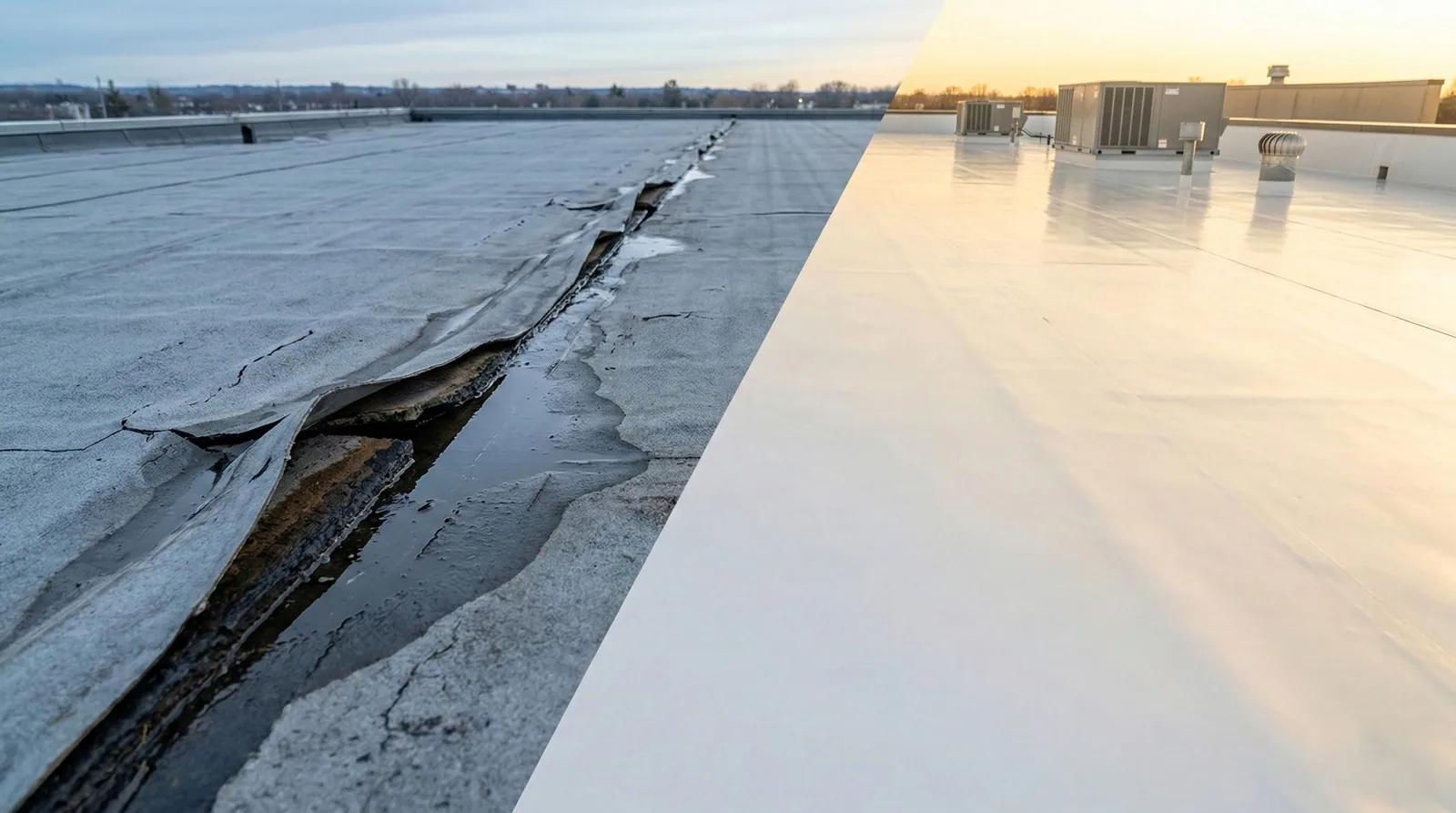
Separation where a pourable seal meets a metal penetration pocket can open a path through an otherwise serviceable built-up roof. The pocket, seal and adjoining plies need a compatible reconstruction detail before work proceeds across the surrounding field. We assess, repair and install built-up commercial roofing in Norman, OK, by examining the asphalt-based plies, their receiving layers and the details that keep the assembly continuous. The work follows the installed configuration, including the surfacing and application method appropriate to the selected system.
Goldsby has industrial and flex-building uses for production, office and staging activity. Downtown Norman has shops, galleries and restaurants. On a requested property, roof access and the operation beneath removal affect the investigation and construction window. We establish those actual arrangements before defining a multi-ply roof repair. The assessment identifies which material remains useful and which layers or adjoining components require exposure before permanent closure.
What is hidden beneath the roof finish?
A surfaced built-up roof may need selected material cleared to examine its plies and details. We identify the installed surfacing and plan the investigation so the covering can be restored appropriately. The surface can include aggregate or another finish suited to its assembly. Its appearance alone does not establish the underlying ply condition, insulation moisture or attachment arrangement.
We inspect accessible transitions and select openings where concealed information affects the proposed work. The investigation identifies layer arrangement at its actual locations and records the restoration needed afterward. Comparisons with modified asphalt sheet systems can help during renewal selection, but a built-up assembly has its own ply and application details. The repair approach follows the material exposed. Where a finished surface hides a damaged receiving layer, its treatment is included before the new work is described as a surface-only repair.
How do the plies reconnect at a repair boundary?
A cut through several plies needs a compatible repair that restores the necessary assembly connection. We examine the receiving area, old repairs and layer condition before selecting the replacement material and application method. The work reaches sound material capable of accepting the new detail. Covering a loose or deteriorated edge can leave the layer separation beneath the visible patch unchanged.
Preparation includes surfacing treatment, removal and the operations appropriate to the actual system. A local opening may reveal affected insulation or an unsuitable base that changes the repair extent. We assess that condition while the area is available, then identify the new layers and tie-in required. The finished connection is examined through the field and its adjoining transitions. The general contractor receives the preparation and closure sequence rather than only a patch dimension, allowing the exposed assembly and any support task to be addressed before repair material conceals them.
Which layer finding changes retention?
Moisture in a built-up assembly can be concealed beneath a finish that appears intact. We investigate reported leaks, soft areas or other observations where their layer condition affects the project. Appropriate methods can include selected openings and a suitable moisture survey, with the actual exposed findings related to the roof areas examined. The investigation is chosen to answer the retention or removal question.
A survey with physical layer confirmation can guide the selection of investigation areas after the roof construction and working weather are assessed for thermal observation. The survey pattern is assessed alongside the actual material arrangement. Connected deterioration may require a wider scope than the original visible concern. Where complete assembly removal is needed, we identify the deck and detail work that follows it. Retention is considered only after the receiving layers and the proposed construction requirements have been assessed for the actual property.
How does the built-up field meet its drain?
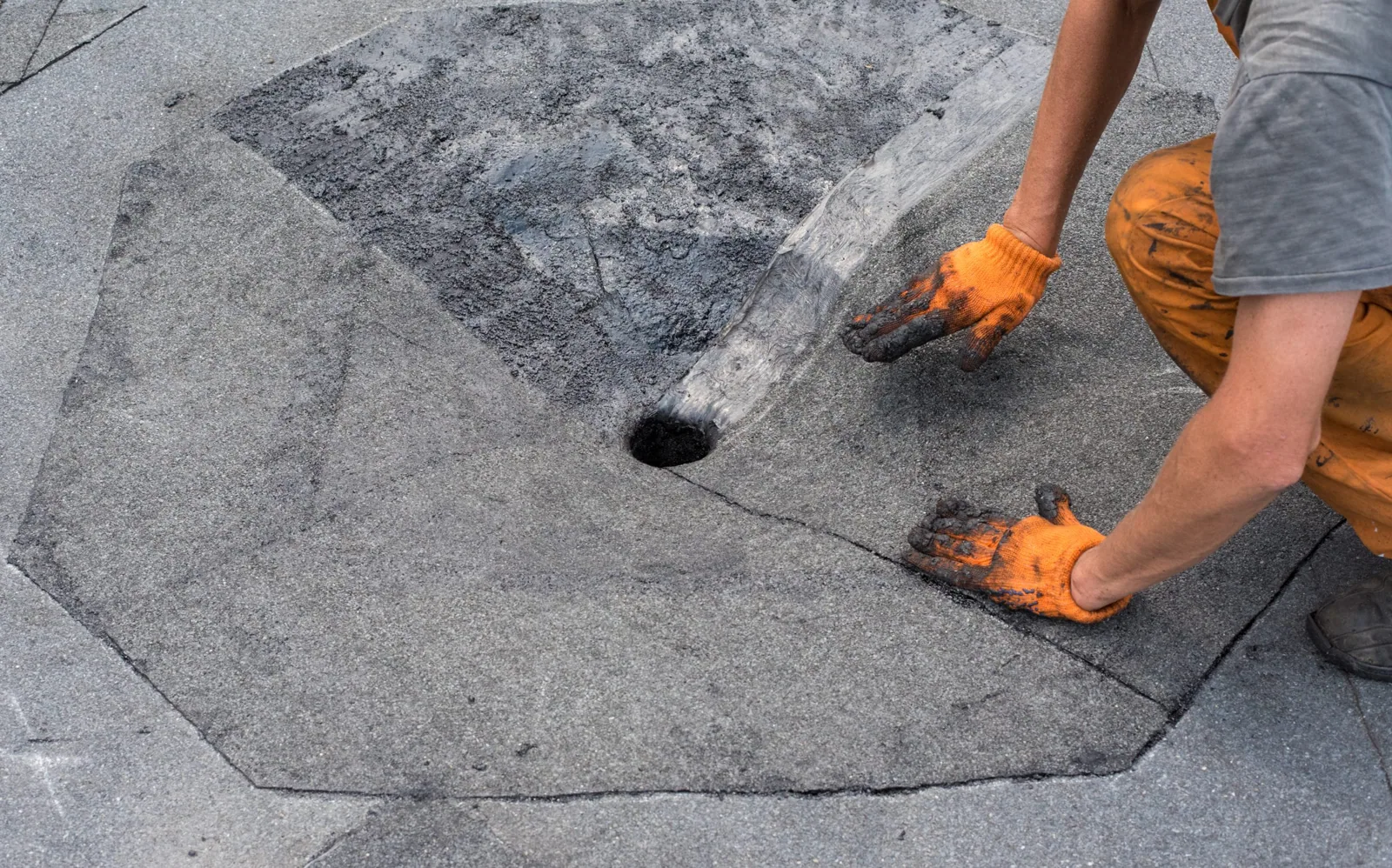
The layers surrounding a drain need a transition that delivers water to the outlet and maintains the roof connection. We inspect the surfacing, basin, membrane detail and accessible drain components together. Obstruction clearing is separated from a failed flashing repair or a low profile that needs correction. The selected work follows the condition found at the outlet and through its adjoining roof area.
Drain and scupper reconstruction can require opening the nearby plies and coordinating piping or receiving-component work. The new layers need to close after those tasks are ready. In Downtown Norman, the requested building's shop or restaurant operation can influence interior protection beneath that opening. We establish the work window with its contact and preserve the access needed for component inspection. A finished field surface is checked with the outlet so closure does not leave an unfinished junction beneath the restored surfacing.
What determines the installation method and opening size?
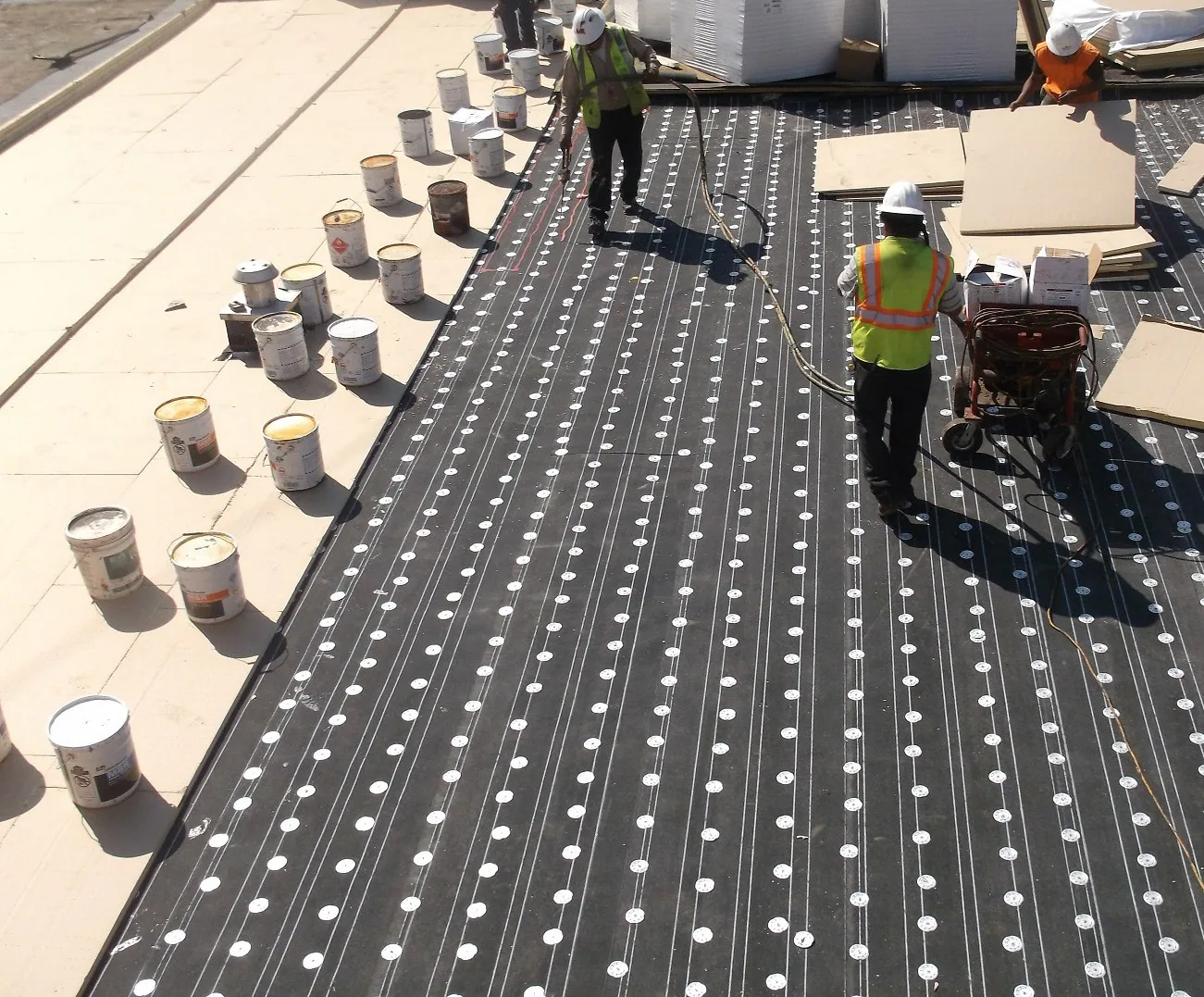
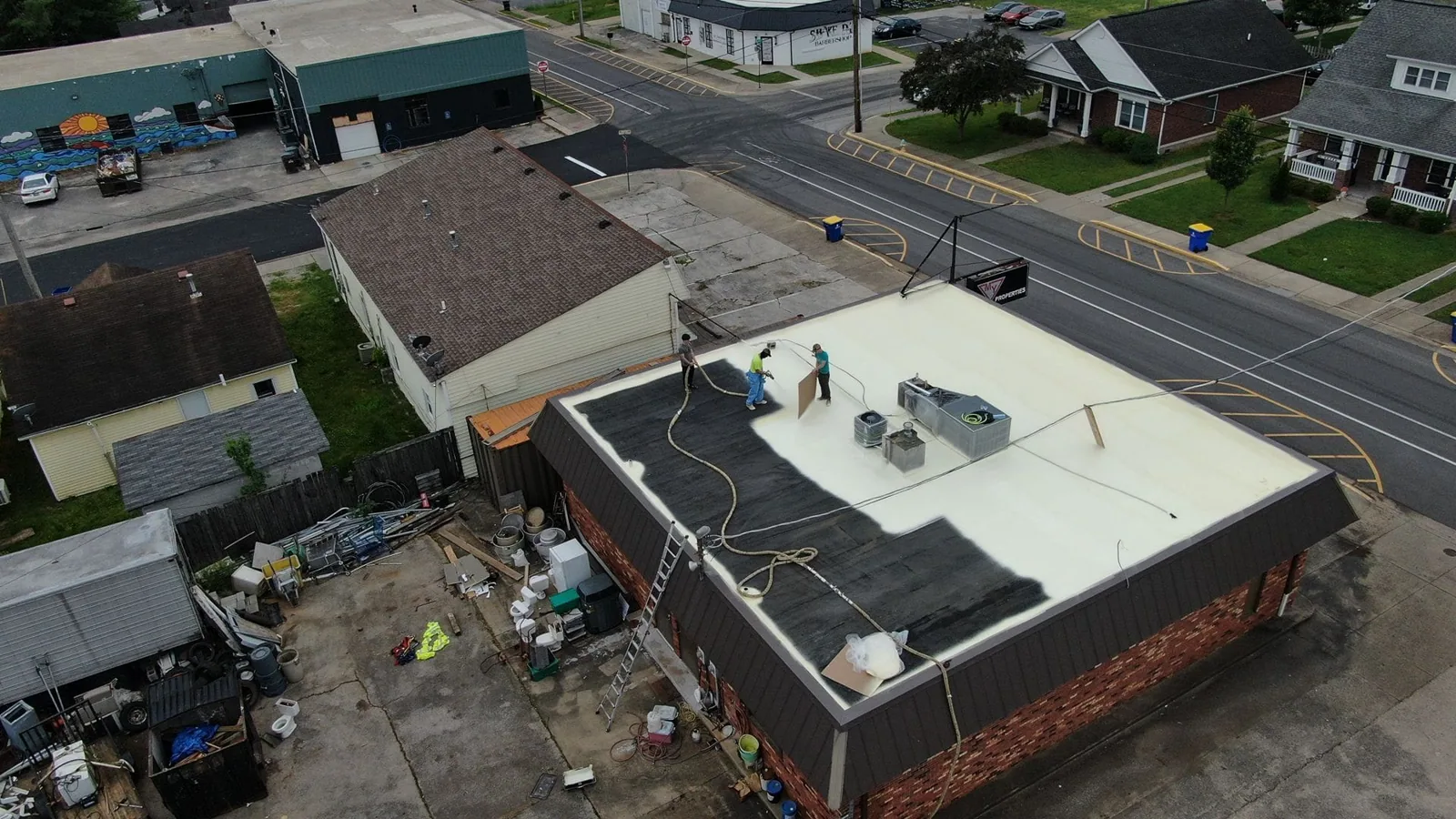
A built-up system's application method affects preparation, handling and working arrangements. We identify the selected materials and their requirements before planning installation. The actual project may involve different asphalt application or assembly details, so the method is coordinated with building conditions and the specified system. Any equipment and precautions required by that method are considered before the work area is released.
At a manufacturing property with ongoing operations, access and interior protection can influence the amount of roofing opened at one time. Goldsby's production and staging uses provide context for those questions on a requested industrial building. We examine its actual roof route and working period with the contact responsible for the operation. Removal depth, receiving-base correction and the time needed for a watertight boundary affect the sequence. The field and adjoining details are scheduled together, leaving component inspection available before the next layer closes the area.
What should the next roof option retain or remove?
A proposed change to an EPDM rubber assembly or another system requires assessment of the existing plies and receiving base. Compatibility, layer condition, attachment and project requirements influence whether material can remain. A new covering is considered against those findings, with the removal and detail changes described before an option is selected. The surface name alone does not define the construction scope.
Cleveland County has climate normals that include hot days and freezing nights, giving seasonal context for movement and material exposure. The actual built-up assembly determines later inspection and compatible repair needs. We identify repaired locations, retained layers and altered outlets or equipment transitions at handoff. Accessible drainage and service routes remain part of care after the work. Later construction can use the recorded assembly information to locate the receiving layer and preserve the completed detail, rather than assume every asphalt-surfaced roof has the same configuration.
Related Work

Commercial Roofing Questions
Can aggregate be cleared without examining the outlet connection?
Clearing can restore an obstructed route, but the accessible flashing and drain components also need assessment where a concern is reported. We distinguish debris removal from a damaged connection or slope issue. The corrective work follows those separate physical findings.
How do you select the boundary for a multi-ply repair?
Reach material suitable for the compatible repair and examine the layers affected by the opening. Loose plies, old repairs or wet insulation can extend the scope. We identify the preparation and tie-in required before the replacement material closes the area.
Will a moisture survey establish the complete removal quantity?
Survey observations are related to assembly information and physical confirmation. We investigate adjoining boundaries where needed to define the scope. Exposed construction findings can refine that extent, with the receiving base checked before new roofing is installed.
Can a new sheet system be proposed over the existing built-up roof?
Assess the retained layers, compatibility, attachment and applicable requirements first. We explain the receiving conditions and detail changes each option needs. Unsuitable material can require removal even where a different covering would otherwise fit the building's use.
Examine the built-up layers before defining closure
Provide the Norman-area property location, surfacing and assembly information, affected area and operating schedule. We will assess investigation, repair boundaries and the layer tasks needed for the proposed roof work.
Request a Roof Assessment