Industries We Serve
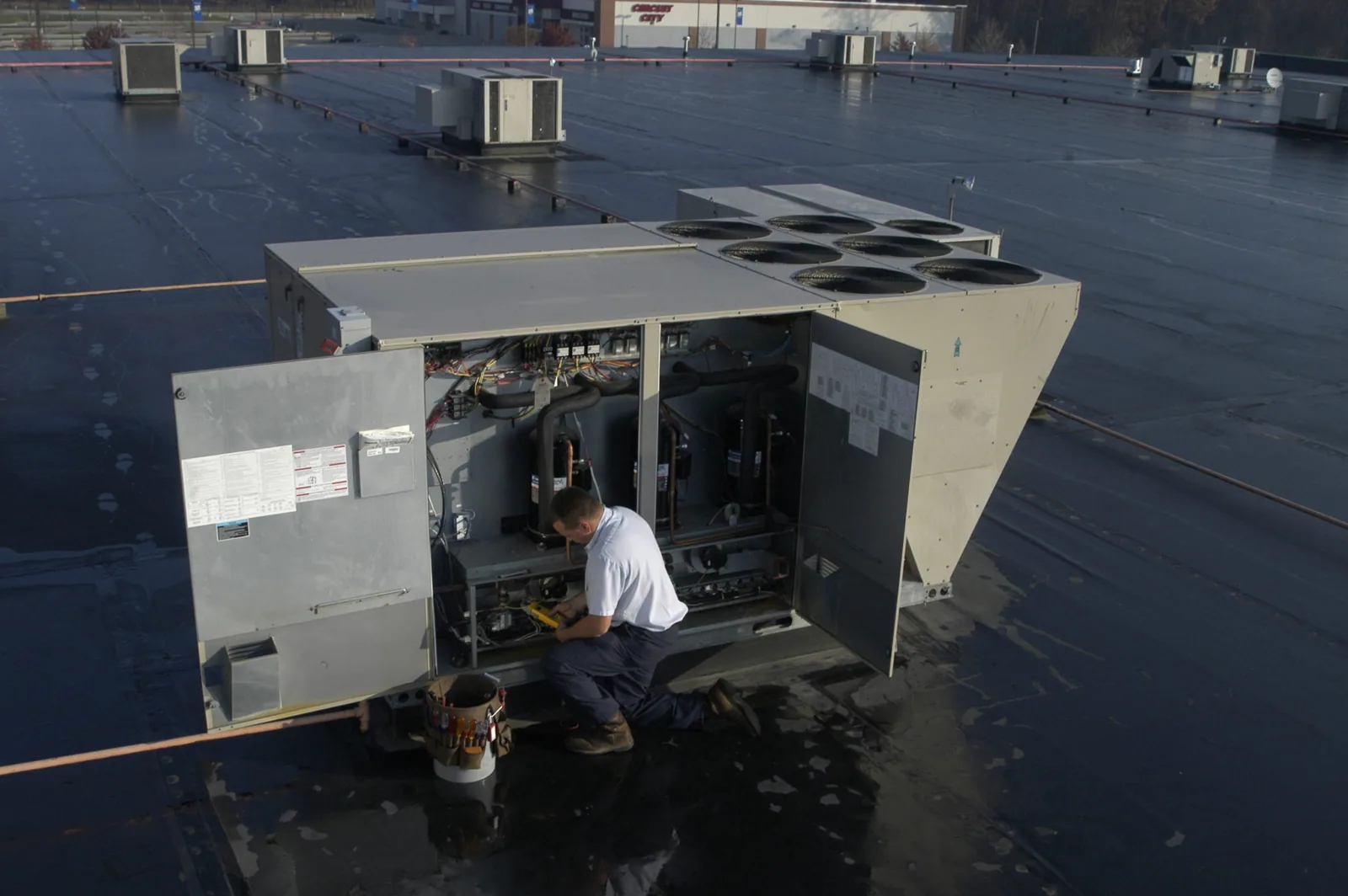
Condensate discharged beside a roof-wall junction can repeatedly wet an opening at the membrane termination. Repairing that detail and correcting the equipment discharge address separate parts of the same interaction. We work with healthcare systems in Norman, OK, by identifying the actual receiving junction and the mechanical task relevant to it. The construction sequence coordinates component correction with compatible roof preparation before the shared interface is closed.
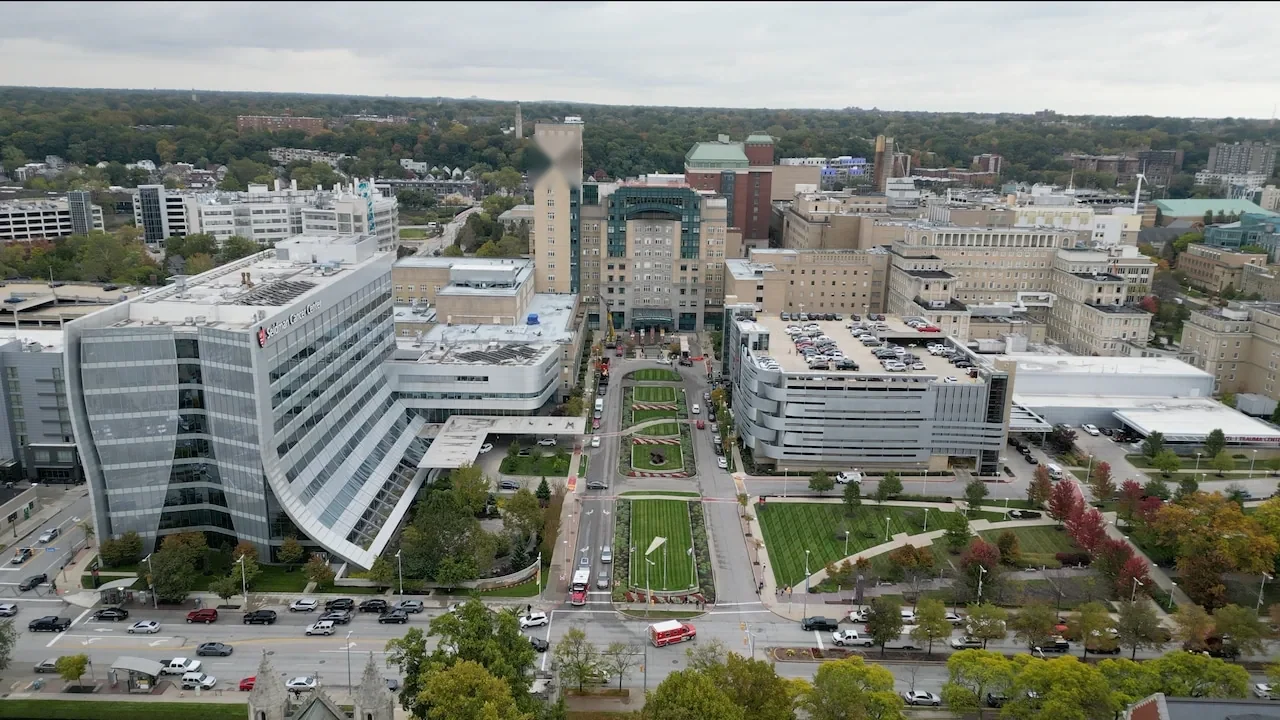
Northwest Norman includes specialty medical properties and the Norman Regional Healthplex among its major employers. The Norman VA Clinic has outpatient laboratory and mental-health functions. At a requested healthcare building, we identify the affected room, roof assembly and equipment arrangement before tracing the healthcare roof water entry. The building team can then coordinate clinical access and the receiving trade, while the roof task follows the layers and connection actually requiring work.
Where should the equipment discharge go after the termination is repaired?
A discharge line ending near a wall or service route can keep the same roof junction wet after a membrane correction. We examine the accessible water path and coordinate the equipment arrangement with the responsible mechanical trade. Its receiving component and routing task need assessment before roofing closes the affected boundary. The roof repair follows the installed material and observed condition at the termination.
Healthcare equipment and curb corrections consider usable height, clearance and service contact points alongside that water route. A component alteration is coordinated while the roof-side junction is accessible. We identify temporary protection for an unfinished interface and the inspection stage before equipment placement limits access. Compatible roofing closes after the receiving base and discharge task are ready. The construction work restores the material connection and changes the component arrangement relevant to the repeated wetting, rather than leaving the same discharge beside a newly prepared termination.
Which clinical area is below the material question?
A roof opening needs its location connected to the room and operation beneath it before investigation begins. The building team establishes interior protection and release for that actual area. We identify the layer question and the receiving work required to complete the opening. The construction period includes preparation and inspection before permanent closure.
Hospital roof construction and medical office roof work can have different component and room arrangements within a healthcare system. Each requested building establishes its own plan. We coordinate the roof boundary with its occupied access and equipment tasks, then reassess exposure if concealed findings change removal. A deck concern or separate component correction is arranged through the responsible project contact. The next section is opened after its operating release and receiving tasks are ready, preserving a construction area that can be prepared and closed through the materials actually found.
Does repeated wetting affect layers beyond the termination?
Water entering at a roof-wall opening may affect insulation away from the visible detail. We assess the materials relevant to retention and identify investigation needed to locate a suitable replacement boundary. Surface condition and concealed-layer condition are considered separately. Support is examined during exposure, with a structural concern assessed by the responsible professional before the next layer closes that receiving area.
A healthcare roof moisture survey can help identify areas needing closer examination when survey conditions are suitable. Interpretation follows the installed assembly and the follow-up required to assess layers. We coordinate the opening and clinical-area arrangement relevant to that question. Findings establish replacement materials and the receiving tie-in, rather than assigning removal from the surface appearance alone. The new profile is considered with wall height and outlets before placement, connecting the layer task to the component corrections required for compatible closure.
How do different healthcare buildings become separate construction tasks?
A hospital roof with a concealed insulation concern and a clinic roof with a service-line contact need different preparation. We inspect each requested connection and identify the assembly information relevant to it. A system-wide work period can coordinate projects, but the receiving task remains tied to the actual building condition. The construction boundary is established from suitable materials and accessible components at that property.
Managed healthcare property work links those tasks to operating access, while healthcare construction coordination establishes adjoining trade release and inspection. We identify which correction is defined and which layer question needs exposure before scope selection. The building team can arrange the actual room, equipment and material routes with those stages understood. Component tasks are completed before another layer hides their receiving bases, allowing each roof correction to proceed through the physical interfaces assessed rather than repeat one construction sequence across different healthcare properties.
Which local care function affects the next receiving task?
Northwest Norman's medical and office development provides a local setting for healthcare roof work. At a requested building there, the actual room and equipment affected by construction establish clinical coordination. We locate the receiving junction and discuss component release with the building contact. The inspected materials determine the work boundary and compatible roof preparation.
Laboratory and mental-health services are among the outpatient functions at Norman VA Clinic, while Oklahoma City VA Medical Center includes hospital care as well as outpatient services. For a requested property with those functions, the actual ventilation or roof component and operating arrangement determine its construction plan. We coordinate access to the detail and the task required before it closes. The wider healthcare context helps establish project discussions, while layer condition, discharge routing and receiving-base suitability govern the repair or replacement work assigned at the building.
What should be checked after mechanical service returns to the repaired area?
A replacement line or changed unit can alter the water route and service contact near a completed termination. We identify the repaired boundary and assess the component task before it disturbs the covering. The responsible mechanical trade coordinates routing and placement. Roofing preparation and inspection follow the actual receiving connection, with access maintained until the adjoining task is ready for closure.
Cleveland County's climate normals describe hot-weather exposure and freezing nights. At a requested healthcare roof, we consider their relevance to movement and bond condition at installed interfaces. Located photographs and assembly information preserve the material boundary for future work. Accessible drainage is examined where the new component or service activity could change runoff. The next alteration can then be coordinated through the identified junction and clinical access arrangement, keeping the equipment task and compatible roofing connected to the actual building rather than disturbing a concealed repaired detail without a receiving plan.
Related Work
Commercial Roofing Questions
Can equipment discharge remain part of the problem after a wall flashing repair?
Examine the actual water route and coordinate the mechanical component task alongside roofing. We identify a suitable receiving boundary and compatible preparation at the termination. Final closure follows the corrected base and the discharge arrangement relevant to repeated wetting.
How should clinical access be established for a concealed-layer investigation?
Locate the roof question above the actual room before exposure. The building team arranges protection and release, while we identify preparation and closure stages. If findings change removal or add a component task, those arrangements are reassessed before another area is opened.
Will one healthcare building's repair scope apply to another facility in the system?
Each requested assembly and component connection requires examination at its own building. We identify the receiving materials and operational access relevant to that task. Projects can be coordinated through their releases, while compatible repair and replacement boundaries remain individually established.
What should be checked when condensate piping is replaced beside repaired roofing?
Assess its proposed discharge, support and service route before placement. We identify the roof junction and compatible preparation affected by that component task. The completed termination and accessible water route are examined before another finish or unit limits access.
Connect the healthcare discharge task to the roof correction
Share the Norman-area healthcare property, affected termination, assembly and mechanical or clinical release schedule. We will assess the receiving junction and coordinate the layer and component tasks required for closure.
Request a Roof Assessment