
Property Types We Roof
An abandoned penetration beside an active cable entry can leave an unnecessary opening within a roof area still serving critical equipment. Removing the unused component needs a closure detail that preserves the adjoining entry and its access. We assess, repair and renew data center roofing in Norman, OK, by coordinating the membrane, supports and drainage with the building team responsible for equipment operation. The roof scope identifies each interface and the task that must precede its permanent closure.
The State Highway 9 Technology Corridor includes adjoining university facilities and employment uses. Northwest Norman has offices and specialty medical properties. For a requested data center project, the actual equipment, internal operation and roof assembly determine protection and access. We establish those conditions before a data center roof assessment. The assessment identifies the installed covering, active roof entries and equipment-service routes for the requested building. Those findings establish the receiving details and access required for the proposed roofing work.
Which unused entry can be closed without disturbing active work?
An abandoned curb or pipe opening needs examination of its support, covering and underlying layers before removal. The responsible building team identifies which components are inactive and which must remain in service. We inspect the roof-side junction and determine the materials required to restore its receiving base and membrane. The task is coordinated with electrical or equipment personnel where the removal meets their component boundary.
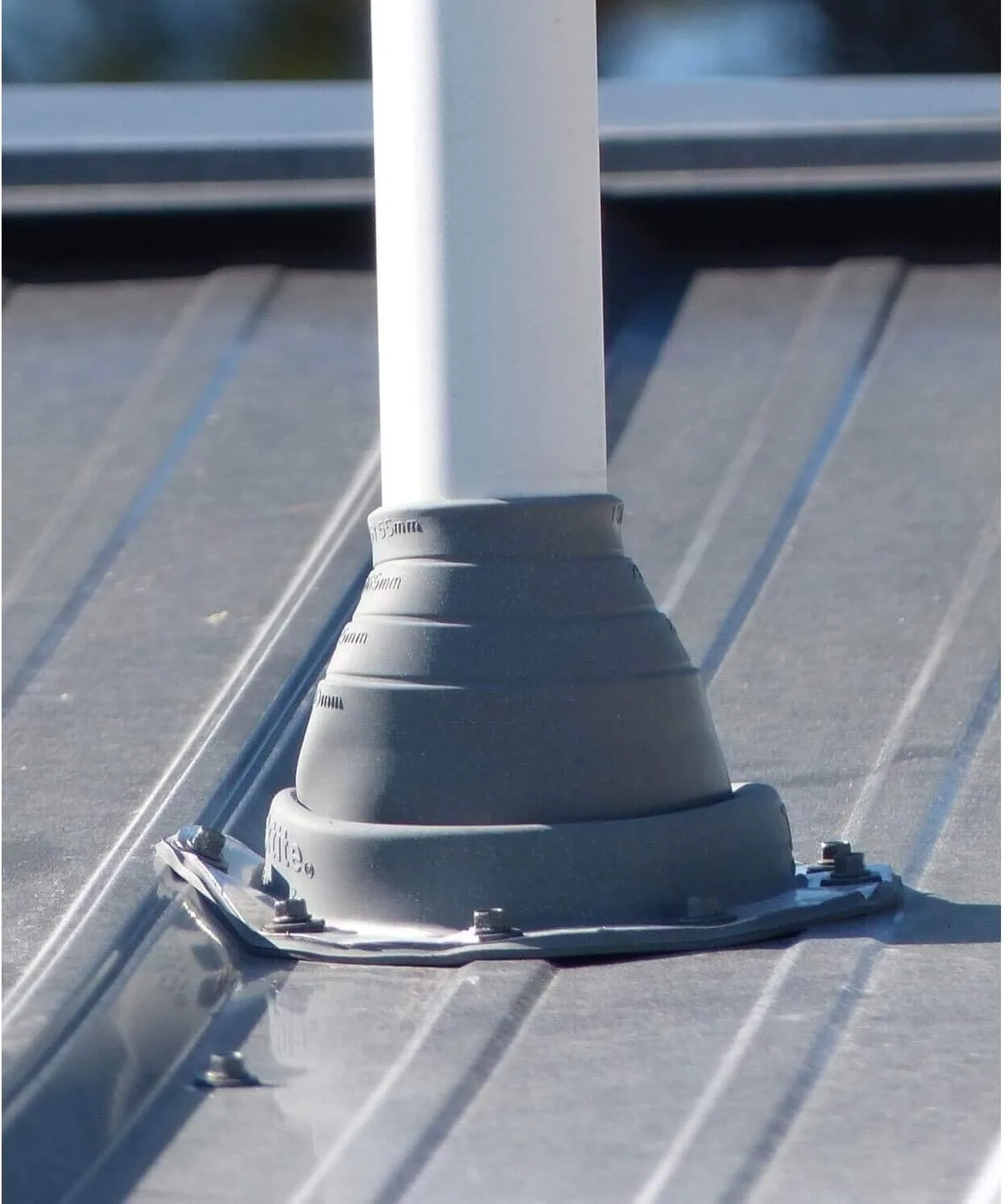
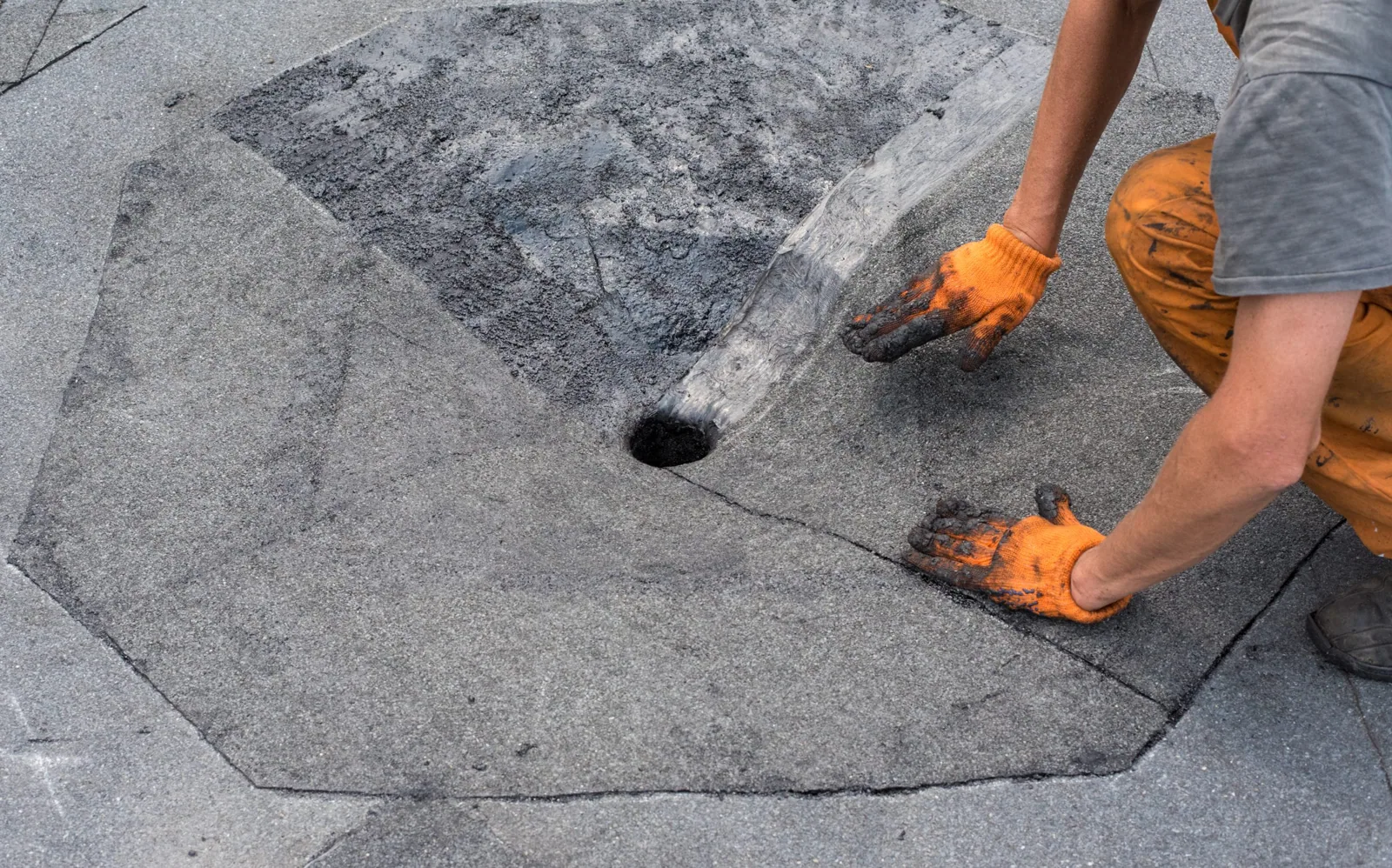
Active adjoining entries remain identified throughout the work. We establish the roof area that can be accessed, the equipment task requiring another trade and the inspection needed before closure. Penetration flashing reconstruction completes the compatible water-control detail after those components are ready. A new patch must receive appropriate support and connect to sound material around the removed opening. Where deterioration extends beneath the old component, the exposed layers are assessed before new roofing conceals that condition or leaves an unsupported boundary beside an operating entry.
How is equipment access separated from the roofing task?
A service route to roof-mounted equipment can overlap the construction area needed for membrane preparation. We establish those routes with the building contact before staging material or opening layers. Equipment isolation, operating changes and electrical access remain with the personnel responsible for those systems. Roofing work identifies the physical interface and the protected area required to examine or rebuild it.
A data center can share a property with office roof operations or manufacturing equipment interfaces. The actual boundaries determine the coordination; one operating arrangement is not assumed for every occupied space. We identify the roof-side closure that depends on a component release and sequence preparation accordingly. Temporary water control is selected for the actual opening while another trade's task remains unfinished. The general contractor receives the inspected junction and the point at which roofing can advance, preserving access before equipment or finish work obscures the connection.
Which outlet route stays accessible during the project?
Material staging can obstruct a drain approach even when the permanent equipment layout leaves it clear. We identify drainage components and water routes before arranging the construction area. Outlets remain available for the inspection and temporary water control required during removal. A low basin or damaged flashing is treated as a separate corrective task rather than left hidden beneath the staging arrangement.
Data center outlet repairs coordinate membrane, receiving components and piping work where needed. The roof-side junction closes after its component task is complete. Changes in layer height or equipment support can alter the flow route, so those details are assessed with the outlet. On a requested property in the Highway 9 Technology Corridor, the actual equipment service and access conditions are established with its designated contact. The construction sequence preserves drainage access while supporting the operating arrangements relevant to the building.
What receiving material lies beneath the repair?
Wet insulation or an unsuitable deck connection can change a proposed surface repair into a layer and support task. We investigate the material condition relevant to retention, with selected exposure planned for protection and restoration. The repair boundary provides a suitable base and a workable tie-in to the adjoining assembly. Any structural or design question is coordinated with the responsible project team before closure.
For a TPO data center assembly, the sheet, supporting board and attachment are selected against the actual base and project requirements. Previous repair material can affect compatibility and preparation. We examine those conditions before describing the final membrane detail. The exposed support remains accessible for the inspection required, then new layers proceed in their intended order. The scope connects receiving-base correction and field work with curbs, drains and walls so an apparently complete membrane area does not conceal a component still awaiting correction.
Where can a phased roof opening close?
A daily work boundary needs sound receiving material and the time to restore water control through its included details. We examine that boundary before removal, accounting for equipment dependencies and access. The selected area is coordinated with the operating team rather than opened from a general area target alone. Weather and exposed material findings can change the stage that can be completed.
Phased construction above operating spaces identifies protection and handoffs for the actual roof assembly. Northwest Norman's offices and specialty medical uses provide operating context for requested projects, but the data center's specific requirements come from its own team. We coordinate the roof approach, material route and controlled work positions against those requirements. If an exposed component needs another trade, the next removal stage is reassessed while the area remains protected. Permanent closure follows the base and adjoining connections that are ready, with the actual work boundary identified for later inspection.
What should later service crews know about the completed roof?
Located completion findings identify active entries, closed abandoned openings and the connections altered during work. Material information helps later repairs follow the installed assembly. The building team also receives the equipment and roofing boundaries still relevant to service access, including protection around component interfaces. A future task can then locate the actual detail instead of relying on a general description of work above the equipment area.
Cleveland County's documented normals contain summer heat and freezing nights. Those conditions provide seasonal context for examination of movement at the requested roof's interfaces, alongside its actual equipment and assembly. Service activity or a new water report can warrant checking the affected junctions again. We identify those points and the receiving material useful for compatible repairs. The construction record preserves the roof-side work completed and any separate task still required, supporting continued coordination between equipment service, drainage care and maintenance of the covering's physical connections.
Related Work
Commercial Roofing Questions
Can an abandoned penetration be removed beside an active cable entry?
The responsible building team identifies the inactive component and service boundaries first. We inspect the roof-side support and layers, then plan compatible closure. The adjoining active entry remains protected and accessible for its own equipment or electrical task.
Should roof staging be arranged independently of equipment service routes?
Coordinate those routes before material placement or removal. We identify the preparation area and access needed for the roofing junction. The operating team establishes equipment requirements so the construction route can preserve the working access and protected area actually needed.
How does a concealed support issue change a data center repair?
The affected base needs assessment before new material covers it. We identify any structural or other trade task and coordinate protection while the area remains accessible. Permanent roofing proceeds after the receiving support and adjoining components are ready for the selected detail.
What completion information helps with later equipment alterations?
Use located photographs, material descriptions and the roof-side component boundaries. We identify abandoned openings closed and active connections preserved. Later service can then be coordinated with the installed details and followed by appropriate examination where the work disturbs the covering.
Coordinate the data center roof and equipment interfaces
Provide the Norman building location, assembly information, affected entries or outlets and designated operating contact. We will assess the roofing tasks and access handoffs needed before the connection is closed.
Request a Roof Assessment