
Industries We Serve
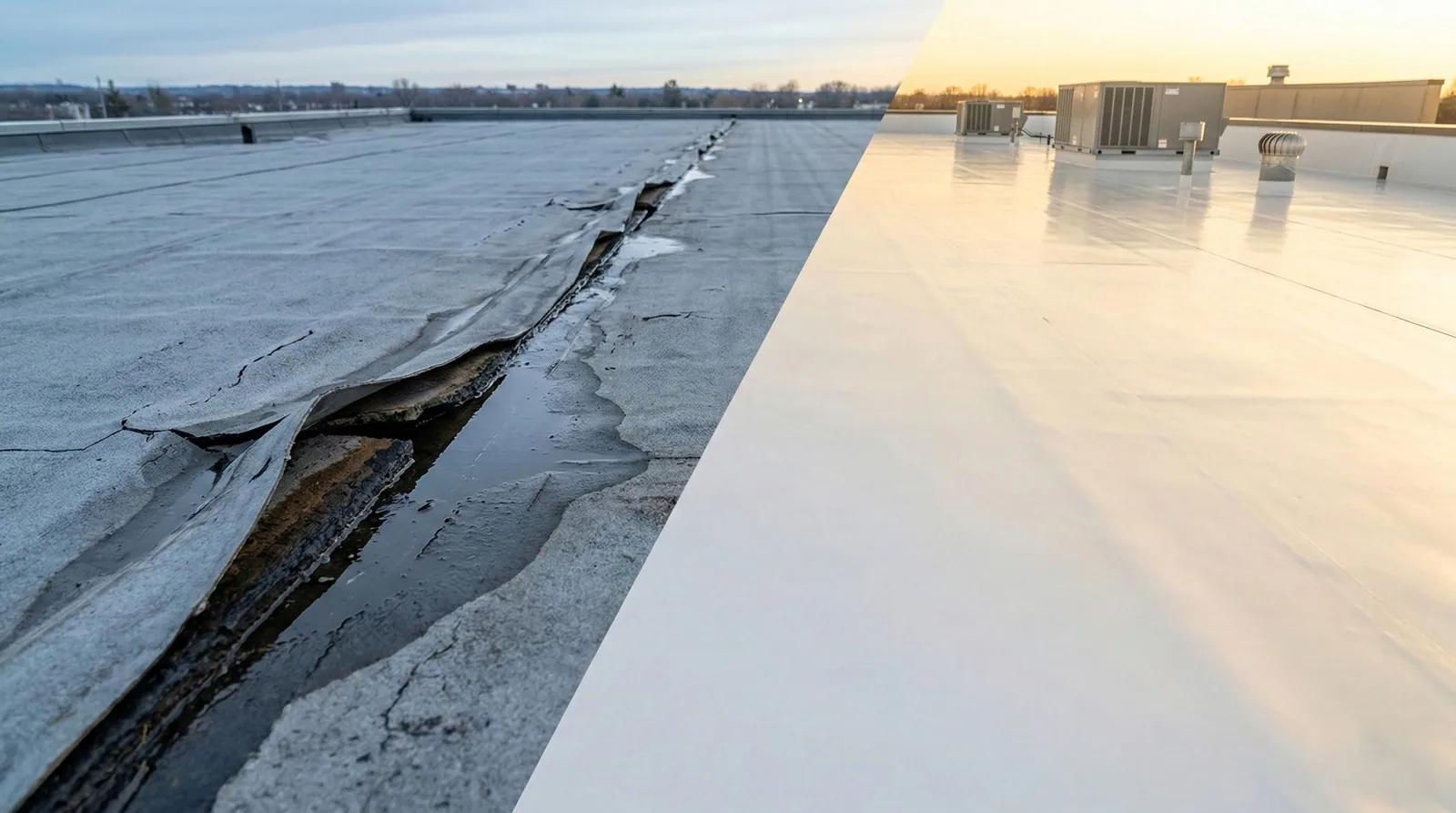
A maintenance hose dragged across a raised seam can damage its receiving edge while leaving the adjoining sheet intact. The seam repair and the route used for later service need assessment together. We work with property management companies in Norman, OK, by locating that physical connection and the component task that caused or could repeat the contact. The construction plan joins compatible roof preparation to the access arrangement required for the repaired area.
Northwest Norman combines office, medical, retail and residential uses, while University North Park has a southern commercial area with stores and hotels. A manager overseeing buildings with different operations needs each actual roof assessed before assigning roof maintenance tasks. We identify the receiving sheet, layer condition and service route at the requested property. The finding becomes a located work item, allowing the manager to coordinate the tenant or component contact whose access changes preparation and closure.
What allows the service route to cross the seam without repeating damage?
A dragged hose, tool or temporary support can contact a seam differently from ordinary foot traffic. We examine the damage and identify the route or component arrangement relevant to the repair. A sheet correction needs compatible receiving material, while the service task may require another approach or system-appropriate protection. Those requirements are established with the responsible maintenance contact before closure.
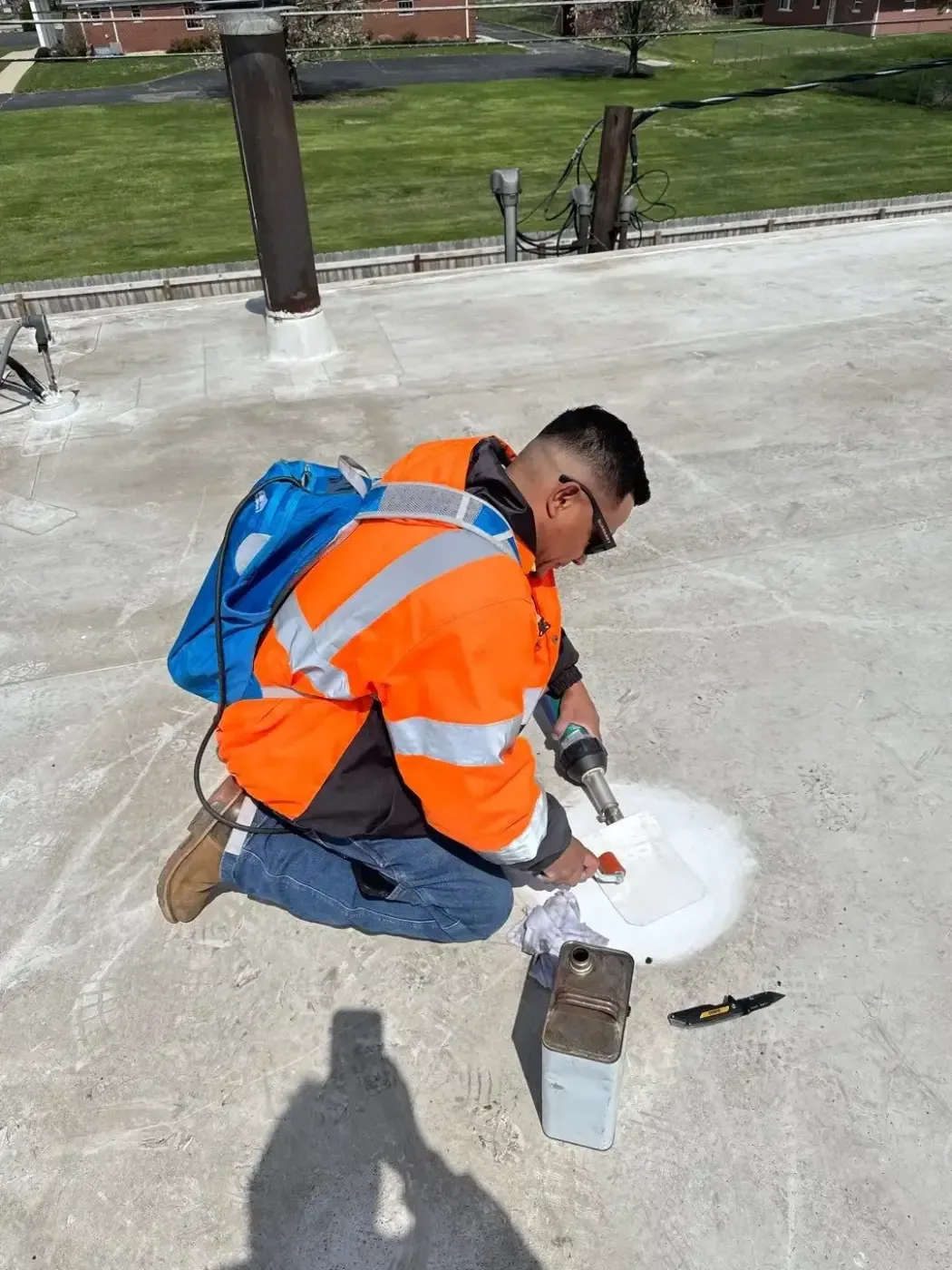
Managed-property seam and surface repairs locate the boundary suitable for preparation. An unsuitable edge or earlier material can require removal farther from the contact mark. The manager receives the separate component task and the point at which roofing is ready for service to resume. The completed joint is examined while accessible, with the contact correction accounted for. The work then restores the actual material interface and changes the condition that would otherwise place the next service route over its receiving edge again.
Which finding is ready for construction and which needs exposure?
An accessible opening can establish a surface task without settling the condition of concealed layers. We identify the visible finding and the additional investigation needed before retention is selected. The work item distinguishes preparation already defined from a receiving-layer question still requiring access. That separation gives the manager a construction stage to arrange rather than an undefined request for broader removal.
A managed roof moisture assessment can help locate areas requiring closer examination under suitable survey conditions. Its interpretation is connected to the installed assembly and the follow-up needed to assess materials. We coordinate an opening where that question changes repair extent, then identify the replacement boundary and adjoining component tasks. The manager can establish the relevant tenant release and material route with the investigation stage understood. Permanent roofing is assigned after suitable receiving layers are located and the closure requirements at that boundary are ready.
How do similar water reports become different roof tasks?
A drain-side separation at one building and a wall termination defect at another may produce similar interior reports. We examine each actual connection before assigning its correction. The manager receives the roof location, material condition and receiving task for the property inspected. A repair type is not transferred between buildings solely because their visible symptoms or tenant uses resemble one another.
Owner roof investment decisions use the material findings relevant to retention, while multi-location retail roof work also coordinates operation-specific component tasks. For the requested managed buildings, we identify the assembly and condition at each receiving boundary. Work can then be grouped by construction requirement or release period where that arrangement is practical. The material interface remains individually assessed, giving the manager the component contacts and inspection points required to complete the actual repair at each building.
Which tenant or trade must release the junction before closure?
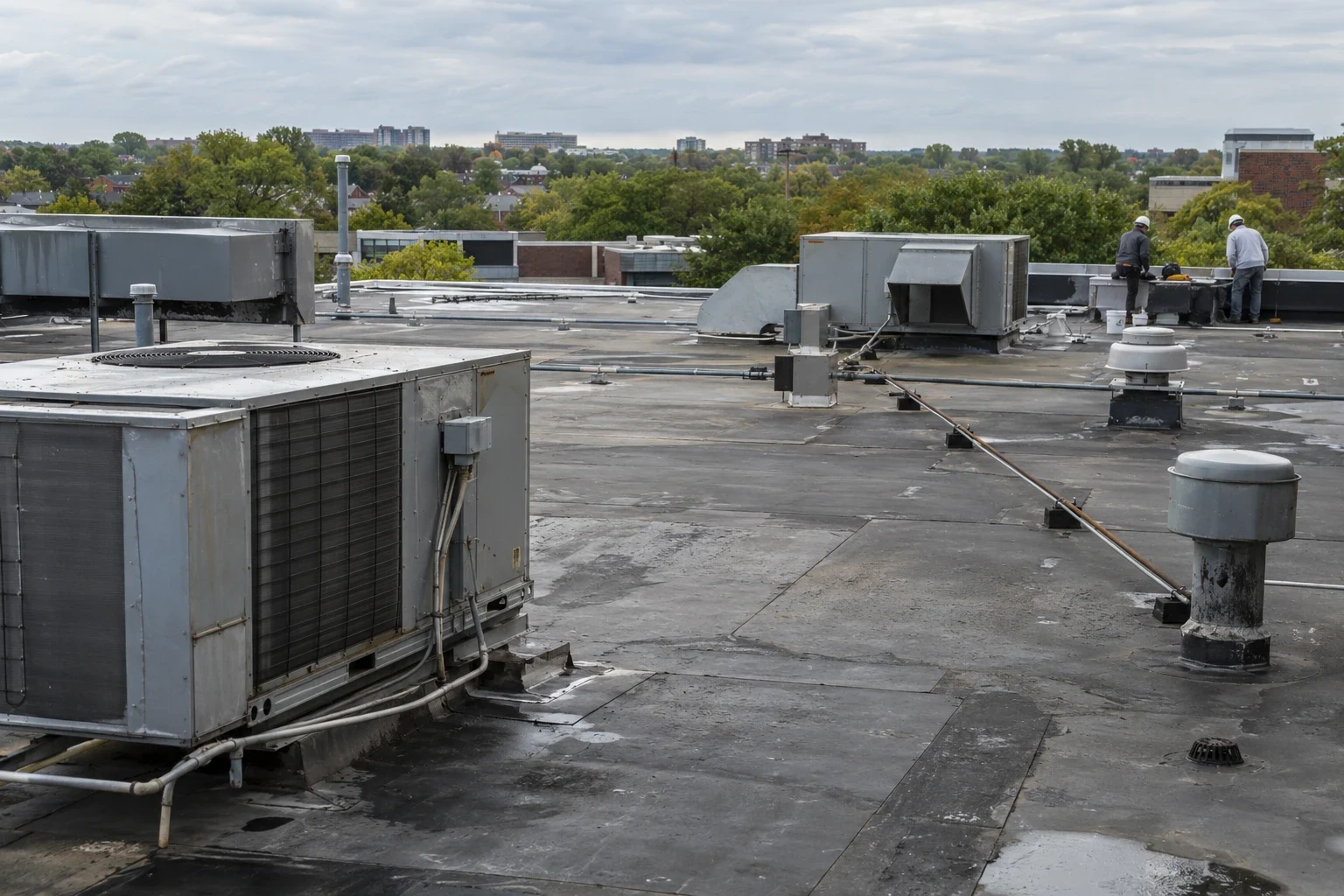
A wall finish, unit housing or service line can block access to roofing that needs preparation. We identify the component and discuss its release with the manager before removal. The responsible trade completes the receiving task while the junction remains accessible. Temporary protection is arranged for the period before final roofing can connect.
Managed occupied-building roof construction includes the affected room and exterior material route. The manager coordinates their actual availability, while we define the opening and closure tasks needed above them. Concealed findings can change that boundary, so protection and the work period are reviewed before another area is exposed. The new sheet or flashing is examined before equipment or another finish hides the connection. The tenant release then follows completion of the relevant physical task, with separate component work identified rather than treated as general scheduling information unrelated to the repaired roof.
How does the local property mix affect the receiving sequence?
Northwest Norman's mixed-use area contains specialty medical properties alongside offices and residential development. At a managed building there, the actual occupied room and roof equipment establish investigation access. We identify the receiving junction and the operation affected, then coordinate its release through the property contact. The layers and component condition determine construction extent.
University North Park's southern portion contains hotel and retail activity, with mixed-use development planned in its northern portion. For a requested managed property in that commercial district, we assess its own entrance, material approach and service route. Those arrangements support the component task required at the inspected roof. We identify the preparation and inspection stage needed before the boundary closes. The broader property setting helps establish the relevant management and operational contacts, while the actual membrane, wall and outlet interfaces determine which work is ready to proceed.
What should remain identifiable after the manager releases the area?
A completed seam or wall connection needs location and material information useful to the next service crew. We identify its boundary, the component arrangement affecting it and any inspection point relevant to later alteration. Photographs connect the finished detail to the actual roof section. The manager receives separate tasks still requiring another trade before they are enclosed.
Cleveland County's climate normals include heat and freezing nights. At a requested managed building, those seasonal changes are considered with the installed movement and bond condition. Later care includes accessible discharge routes and service contact points that can disturb the covering. A new water report is traced through the relevant connection rather than assigned automatically to the earlier repair. The next work item follows the observed condition and suitable receiving material, helping the manager coordinate construction access through the actual roof interfaces that need attention.
Related Work


Commercial Roofing Questions
Can changing the service route be part of a seam repair scope?
Assess the contact that damaged the receiving edge alongside the sheet condition. We identify compatible roofing preparation and coordinate the responsible service contact's route or protection task. The repaired joint is checked before that activity resumes across the completed area.
How should the manager distinguish a defined patch from a concealed-layer question?
Locate the visible defect and identify the material condition that still needs investigation. We establish the opening and protection required before retention is selected. The construction boundary and replacement task are then assigned from suitable receiving layers found during that stage.
Will similar leaks at different managed buildings receive the same repair?
Each roof connection is examined through its own assembly and component arrangement. We identify the actual entry and receiving task at the requested property. Work grouping follows those findings and release requirements rather than transfer a correction from another building's symptom.
What should a manager provide before scheduling another trade at the repaired roof?
Identify the proposed component task, roof location and access period so the completed junction can be assessed first. We establish preparation and inspection relevant to that alteration. The returning trade's work is coordinated to preserve compatible roofing and its receiving interfaces.
Turn the managed roof finding into a construction task
Provide the Norman property, affected seam or component, assembly information and tenant or trade release period. We will locate the receiving boundary and identify the correction and service-access task needed for closure.
Request a Roof Assessment