
Property Types We Roof
A separated gutter joint between adjoining retail roof areas can release water behind the fascia while both roof fields appear intact. The channel, receiving support and roof-edge transition need examination before membrane work is selected. We repair and renew shopping center roofing in Norman, OK, by following those shared connections through the assembly and its drainage route. The scope identifies the component task required and the tenant or service areas affected by its construction access.
Retail and hotel uses occupy the Interstate 35 commercial district of University North Park. The 24th Avenue West Corridor is a north-south commercial route with retail activity near West Main Street. For a requested shopping property, the actual roof divisions, tenant access and drainage arrangement determine the work. We establish those details before a retail roof connection assessment, with the affected gutter, curb or seam located against the building areas it serves.
Where does the shared channel lose its connection?
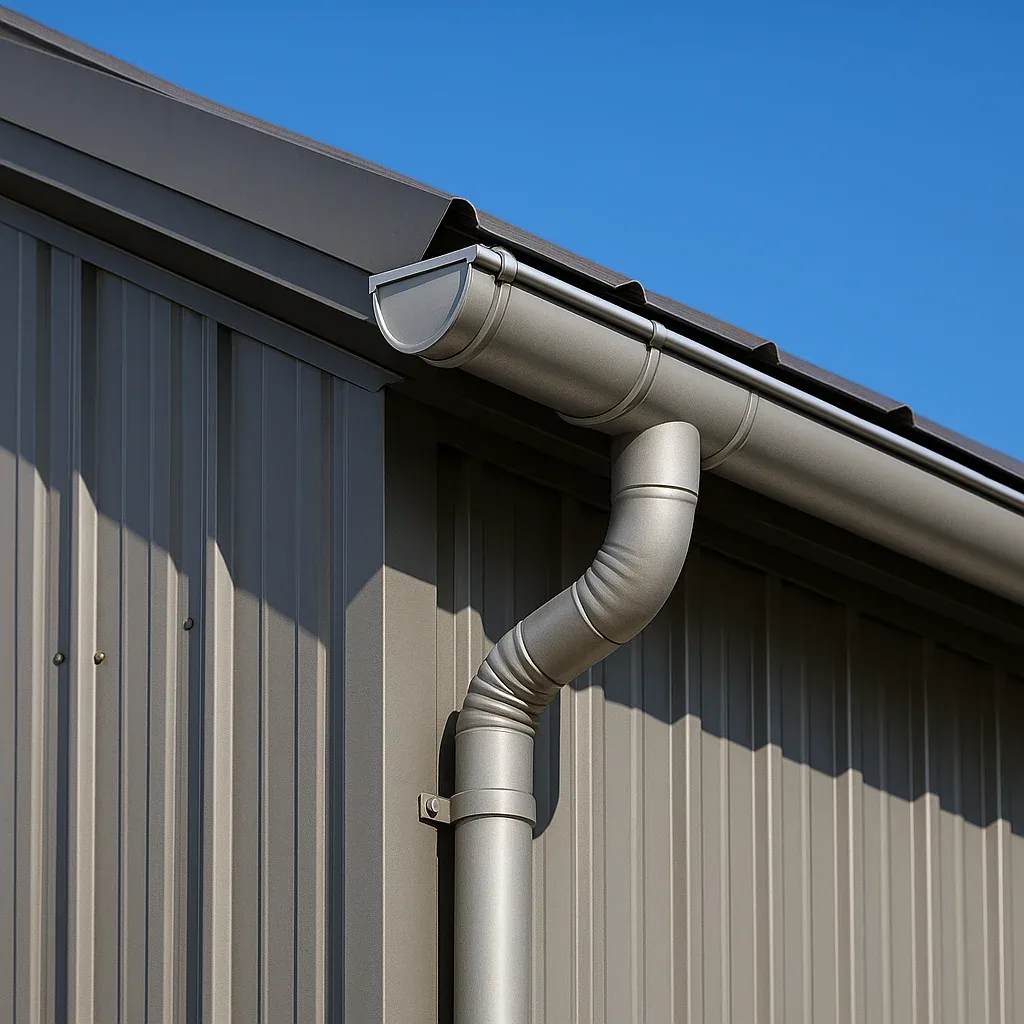
A gutter seam can separate because of support condition, movement or a damaged joint. We examine the channel, brackets and receiving construction before selecting the repair. A damaged fascia or other base may need correction before the gutter is reattached. The roof edge and the water route into the channel are assessed with that component so the repair addresses both collection and discharge.
Retail gutter and perimeter metal work can involve exterior access above more than one occupied frontage. We identify the actual affected area with the property contact and coordinate protection before components are removed. The downspout route receives attention where its condition changes the task. Piping or another discharge component outside the roofing scope is assigned to the responsible trade. The completed channel needs a usable route as well as a repaired seam, with the roof-side transition closed after its receiving components are ready.
Which occupied frontage changes exterior access?
A lift or material position can affect one entrance while the roof task extends above another tenant area. We locate the construction route and discuss it with the property representative before work begins. Customer movements, deliveries and equipment servicing relevant to that route are coordinated for the actual work period. The control area covers removed material as well as new deliveries so the roof opening does not wait on an unresolved ground arrangement.
A center may include restaurant roof connections or grocery roofing areas with different service equipment and occupied requirements. We establish those actual boundaries instead of treating every storefront as the same operation. The roofing scope identifies the detail and construction stage affecting each area. A component release or interior access task is coordinated before exposure, allowing the general contractor and property team to sequence the work without closing a junction that another trade still needs to reach.
What changes at equipment serving separate spaces?
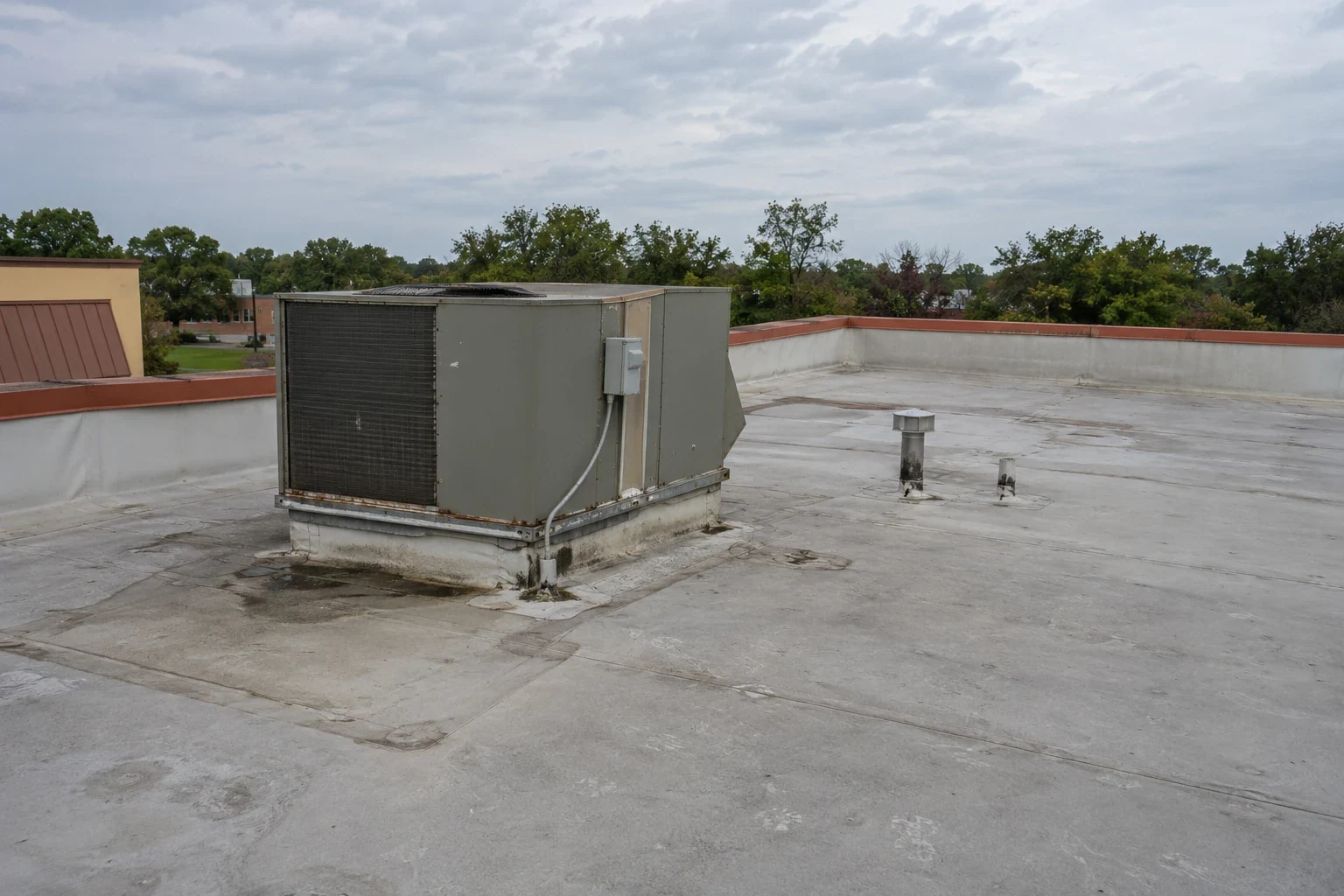
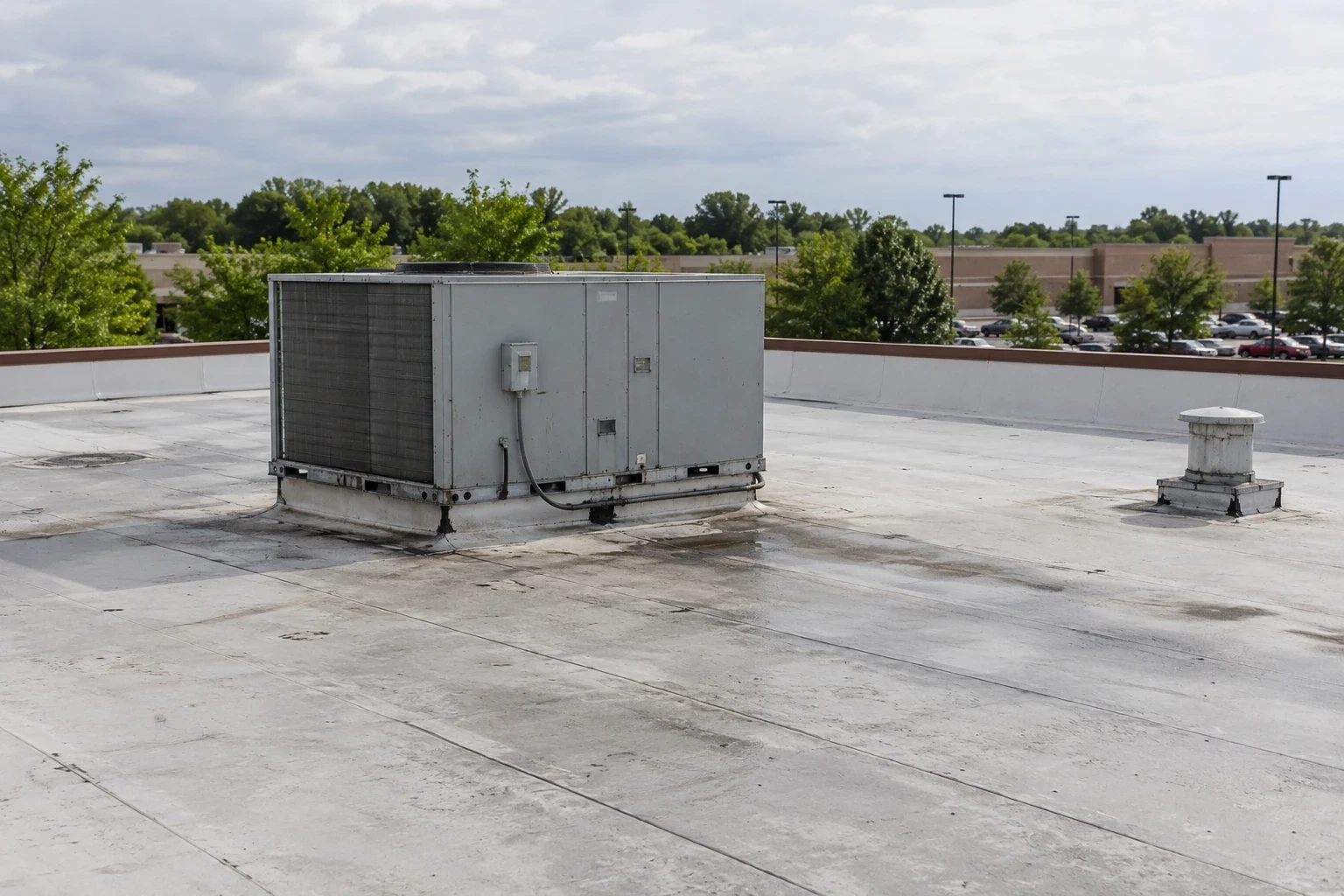
A curb connection needs the actual equipment support and flashing condition examined even when several nearby units look similar. We identify the unit and receiving detail by location, with the responsible trade establishing any service or lift task. A damaged component, limited clearance or a new layer profile can change the roofing preparation needed. The connection remains available until its necessary inspection and correction are complete.
For a shopping center TPO assembly, compatible sheet and flashing methods follow the installed material and earlier repairs. Other coverings use their own preparation requirements. We identify the component task that precedes roofing closure and coordinate temporary water control while it proceeds. Service-route protection also matters where repeated equipment access contacts the covering. The permanent repair addresses the membrane and the adjoining operating component together, with the actual support and clearance ready before new material closes the junction.
How do roof divisions affect layer investigation?
An older repair on one roof area may conceal a different layer arrangement from material on an adjoining section. We investigate the actual assembly relevant to the proposed work and locate findings by roof area. Retention or removal decisions follow those conditions rather than apply the first test result to every section. Selected openings are restored compatibly, with further investigation where the boundary remains uncertain.
Retail insulation and cover board corrections need support and a workable tie-in at retained boundaries. Moisture, deterioration or unsuitable attachment can extend the repair beyond a visible opening. Deck conditions requiring another assessment remain accessible before new layers close them. The construction team receives the receiving-base tasks and altered elevations with the layer scope. Curbs, outlets and wall details are examined against that build-up so a completed field does not leave adjacent components needing an unplanned adjustment after closure.
What should be settled before the roof area opens?
A removal boundary needs the ability to restore water control through its included connections. We examine the retained tie-in material and identify equipment, outlet or wall tasks that could delay closure. The daily opening follows the material condition, weather and available construction period. Temporary protection is arranged for the actual exposed assembly if another component task extends the sequence.
In the 24th Avenue West commercial corridor, the requested property's entrance and receiving arrangement determine exterior staging. University North Park's retail uses bring another operating setting for a shopping roof request. We establish each building's actual route and work period with its contact. Phased reroofing above occupied retail spaces coordinates those requirements with removal and permanent detail completion. The next area opens after its route and receiving components are ready, preserving inspection access at the stage when the exposed condition can still be assessed.
What helps later tenant work preserve the roof?
A new sign support, service unit or penetration can disturb the covering after a repair is complete. We identify the roofing details and material information useful for that later task, including the components that must remain accessible. The property team can coordinate equipment changes with compatible closure rather than allow several separate activities to modify the same junction without a shared detail.
Completed findings locate repaired gutter, field and curb areas with roof references and photographs. Drainage clearing and service-route protection continue to matter after construction. Cleveland County has normals that include summer heat and below-freezing nights, providing seasonal context for movement checks at the actual roof interfaces. We explain the points to examine after component changes or a new water report. The handoff connects maintenance and future tenant work to the assembly constructed, with remaining component tasks identified before the property treats the affected area as complete.
Related Work
Commercial Roofing Questions
Can a gutter joint leak while adjoining roof membranes remain useful?
The gutter, support and roof-edge transition can require a separate correction from field roofing. We examine those receiving components and the discharge route before selecting work. The scope identifies the actual material and component task rather than assume the membrane needs replacement.
How do you coordinate a repair affecting several storefronts?
Locate the roof detail and exterior or interior areas affected, then establish their access with the property contact. We identify working routes and component releases for the construction stage. Different tenant operations are coordinated against the actual task rather than a shared generic work window.
Will one roof opening establish every section's layer condition?
Different sections can require their own investigation where the assembly or condition changes. We locate findings and choose additional checks relevant to retention. The repair boundary follows suitable receiving material and the connection needed for new layers.
What should happen before a tenant adds rooftop equipment?
Assess the receiving support, roof layers and flashing arrangement with the responsible trades. We identify access and the roofing closure stage before equipment placement. The new component is coordinated with drainage and compatible material preparation so later work does not leave an unfinished shared junction.
Inspect the shared retail roof and drainage connections
Provide the Norman shopping property, affected gutter or roof area, tenant access needs and equipment schedule. We will examine the receiving details and coordinate the repair boundaries and construction handoffs.
Request a Roof Assessment