Roof Systems
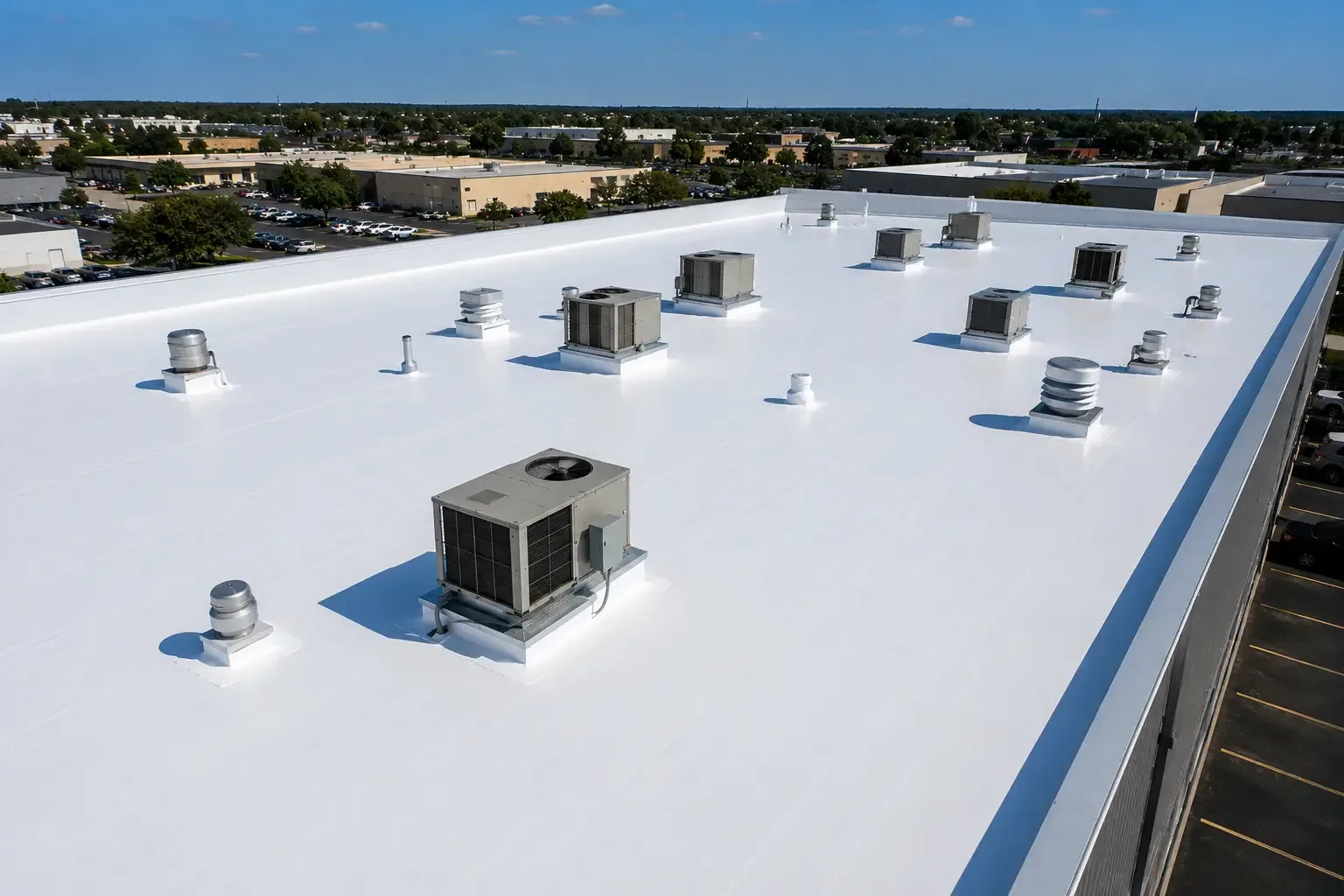
A loose fastening plate can tent the PVC sheet above it and place repeated stress at the contact point. The attachment and receiving support need examination before a membrane patch closes the area, so the repair addresses the component pressing against the covering. We install and repair PVC commercial roofing in Norman, OK, by examining exposure, receiving layers and the connections that join the field to equipment, walls and outlets. The selected assembly follows the conditions found rather than a general assumption about one membrane type.
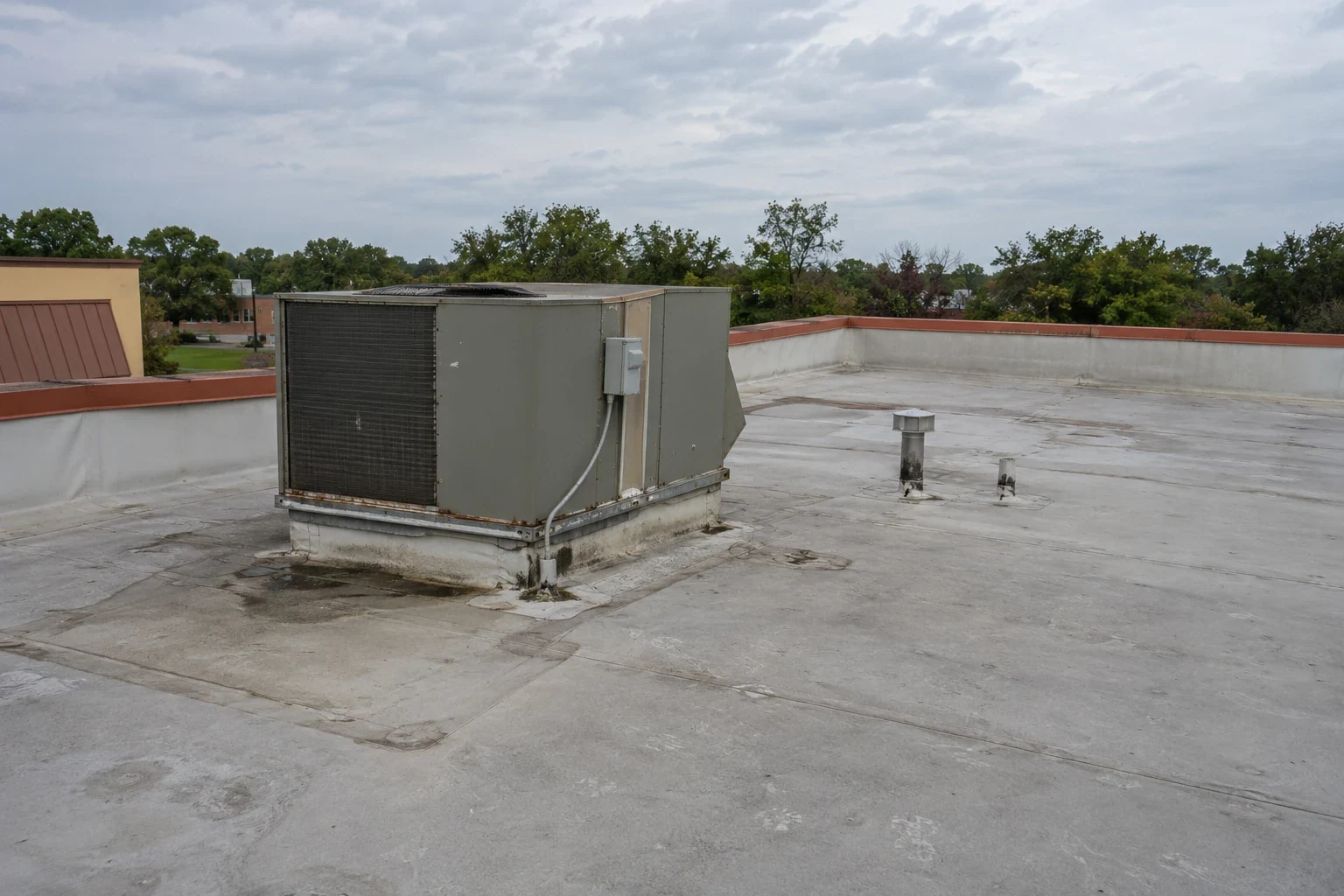
Campus Corner has merchants, restaurants and bars, while Ed Noble Parkway contains restaurants, hotels and big-box stores. At a requested commercial property, exhaust operation and equipment servicing can affect both material choice and repair access. We examine those actual conditions with the building contact before proposing the work. Assessment of an existing coating may also be needed where earlier applications obscure the sheet or affect the surface that a PVC repair would receive.
Which deposit or contact affects material selection?
A chemical or grease exposure needs evaluation against the specific proposed roofing product, its application and the building operation. PVC systems can be considered for certain exposure conditions, but the actual material and requirements determine suitability. We identify equipment discharge, deposits and contact points during the roof assessment, then coordinate material selection with the relevant product information and project requirements.
Repeated deposits can also conceal deterioration or interfere with repair preparation. We discuss the component producing the exposure and identify any service task needed from another trade. A roof repair that leaves the same damaging contact unchanged may require attention again. For roofing serving restaurant equipment, the assessed covering and actual exhaust arrangement guide those decisions. Cleaning and preparation are chosen for compatibility with the material present. The repair sequence addresses the sheet and the adjoining operating condition so the new connection receives a surface suitable for its selected method.
What does the welded lap need before closure?
A PVC overlap with a loose edge requires examination along its receiving area, not just at the point visible from the roof walk. We assess membrane condition, earlier repair material and the possibility of moisture beneath the opening. Suitable preparation creates the surface the repair needs, while deteriorated or incompatible material can require removal. The new detail reaches sheet capable of accepting the intended connection.
Installation welding follows the selected membrane and working conditions, with appropriate checks of completed seams. A corner, patch edge or change in direction can need a different detail from a straight field lap. We inspect those geometries individually. Comparisons with TPO membrane construction help explain system selection, but repair components are matched to the PVC actually installed. The completed seam is assessed with its adjoining material, and any component task affecting the connection is resolved before a finish or equipment placement makes that junction inaccessible.
How do the layers beneath the PVC influence the repair?
A soft board beneath a damaged sheet can leave the membrane without a suitable working base. We investigate the layer condition where it affects the proposed repair and establish what must be removed or restored. The retained material needs appropriate support, compatibility and attachment for the selected assembly. A surface patch is considered only after those underlying questions have a defined treatment.
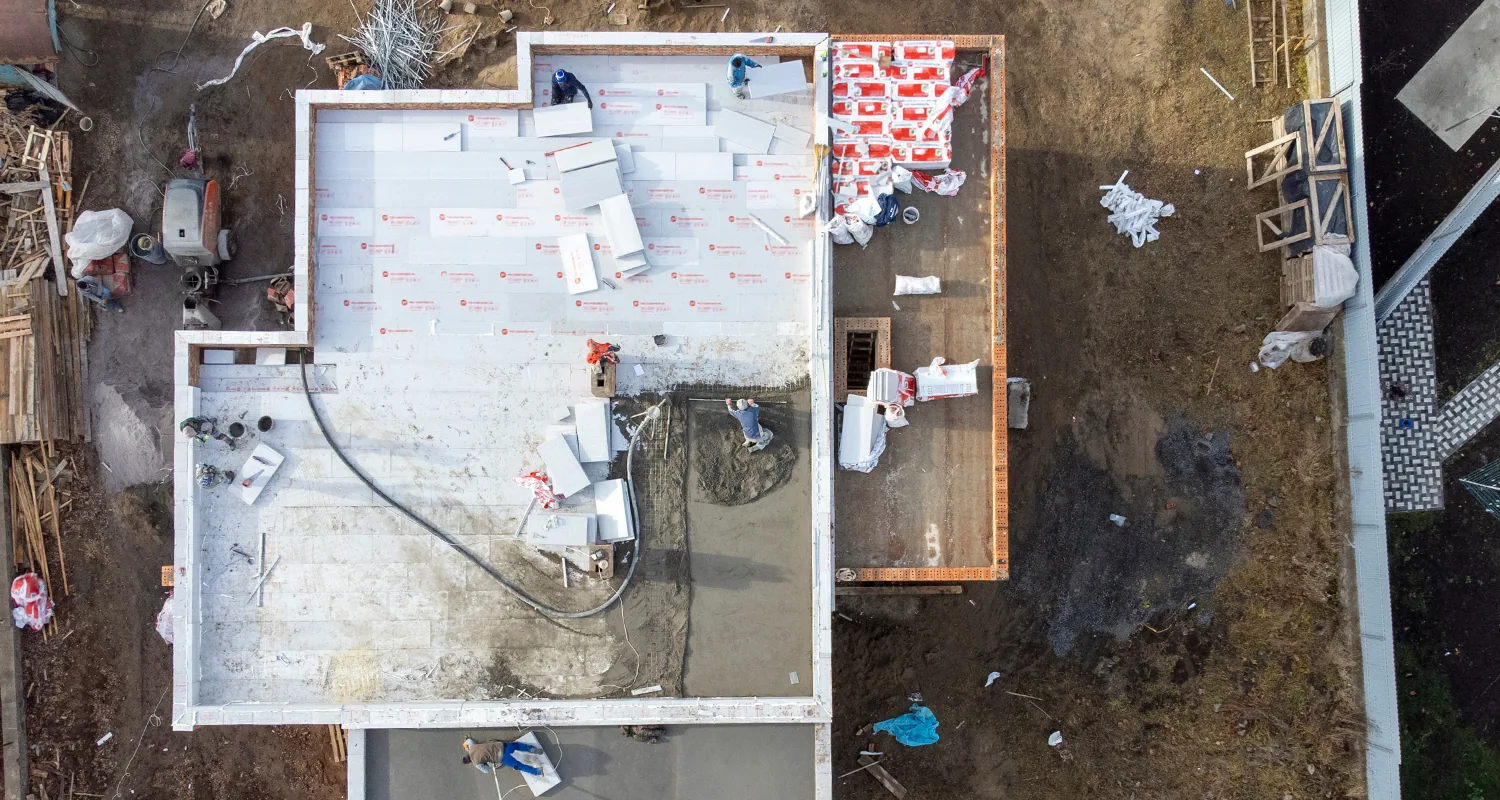
Selected openings or a suitable survey can relate suspected moisture to the actual insulation. The repair boundary then includes both affected material and the tie-in required for new layers. Where the project calls for replacement insulation and cover board, we examine the proposed thickness against curbs, drains and walls. Layer changes are coordinated with those details before sheet placement. The general contractor receives the support, preparation and flashing tasks in their required order, allowing the new membrane to close an assembly whose receiving conditions have been assessed.
Which junction must remain open for another trade?
A pipe or equipment curb with unstable support can move against its flashing and reopen a repaired junction. We examine the component and identify the support task before selecting permanent PVC closure. The equipment trade establishes the required component arrangement, while our roofing detail maintains water control around it. Suitable clearance and receiving material are assessed before the sheet is turned onto the curb or penetration.
Flashing at skylights and penetrations also requires the frame or component condition examined. A glazing task and a roof-side repair may need separate trades but share a closure point. In Campus Corner, a requested business may have equipment and entrance activity that changes the available working period. We establish those requirements with its contact, then preserve the access needed for component inspection. Roofing closes after the adjoining task is ready, with the compatible PVC transition examined before equipment or finish work obscures it.
When does a local repair become an assembly decision?
Several failing laps, connected moisture areas or unsuitable attachment can change the usefulness of repeated isolated repairs. We examine the extent of the conditions and identify whether the proposed repair can terminate on sound material. A broader scope may need investigation of retained layers, deck condition and the roof's drainage profile. The choice is based on those physical findings rather than a replacement recommendation triggered by appearance alone.
A comparison with KEE and PVC-alloy membranes can be part of a new-system assessment where the project requirements support it. The construction options still need preparation, attachment and completed details described for each assembly. Our roof renewal work addresses removal and receiving-base corrections when retention is unsuitable. The owner and general contractor can then assess the actual tasks and trade dependencies. Any areas requiring further investigation remain identified before new material is ordered against an unexamined retained-layer assumption.
What should be examined after equipment service?
Tools, replacement parts and disturbed supports can affect a PVC membrane near operating equipment. We examine new contact marks and nearby flashing where a service activity changes the condition. The repair method follows the material found, including previous coatings and patches. Route protection and component servicing may need adjustment alongside roofing work to reduce repeated contact at the repaired location.
Ed Noble Parkway's hotel and restaurant uses bring different service and access arrangements to a requested property. We identify the applicable working period and roof approach with its representative. Later care includes clearing accessible drainage and checking seams or transitions disturbed by equipment changes. Material and detail information supplied at completion helps another crew choose a compatible examination and repair approach. The installed roof remains identifiable through its field sheet, supporting layers and component junctions, giving future work a usable starting condition instead of relying only on the membrane name.
Related Work
Commercial Roofing Questions
Can PVC be proposed for a roof exposed to exhaust deposits?
Evaluate the actual exposure against the specific product and project requirements. We inspect deposits and the equipment producing them before selecting the assembly. Preparation, compatibility and any needed equipment task are identified with the roof detail.
Why would a small open lap need a wider repair?
The new connection needs suitable receiving membrane beyond the visible opening. We examine weathered material, old patches and affected layers before establishing its extent. Removal can expand where deteriorated or incompatible material prevents a dependable tie-in.
Should penetration support changes occur before the PVC repair?
Correct the component arrangement before permanent flashing closes the junction. We coordinate access and temporary water control with the responsible trade. The membrane detail is selected after the receiving support and clearance are ready for roofing.
How should old coating be treated during a PVC assessment?
Identify its condition and compatibility with the proposed work. We examine bond and the underlying sheet before deciding what can remain. Unsuitable application or releasing material may need removal so the repair reaches a surface appropriate for the PVC connection.
Assess the PVC detail and its exposure conditions
Send the Norman property location, installed sheet information, deposits or damage observed and equipment schedule. We will examine the receiving material and coordinate compatible repairs or new assembly work.
Request a Roof Assessment