Roof Systems
A panel fixed at an unintended point can pull against its roof-to-wall flashing as temperature changes its length. The visible opening is connected to the panel's restraint and support, not just the seal at the transition. We install and repair standing seam commercial metal roofing in Norman, OK, by examining panel connections, movement arrangements and adjoining components. The repair sequence identifies which support or fastening task precedes the permanent water-shedding detail.
Goldsby's industrial and flex properties serve office, production and staging activity. Midwest City has industrial and technology parks along with aerospace businesses. At a requested building, those operating uses can influence equipment coordination and access beneath a metal assembly. We examine the actual roof and project requirements before selecting standing seam repair work. Material choice and closure follow the panel profile, support and transitions found rather than a general treatment for all metal roofs.
Which connection should allow the panel to move?
A standing seam system's clips and fixed points form part of its movement arrangement. We identify the installed configuration and examine where a panel has been restrained, displaced or damaged. Different systems have different connection requirements, so the repair must follow the actual profile and intended attachment. An added screw or rigid patch can change that arrangement and place strain somewhere else.
Cleveland County's normal hot days and freezing nights make seasonal temperature movement relevant context for a requested roof assessment. The actual panel length, support and detail determine the corrective task. We examine terminations and interfaces where movement reaches a wall, curb or perimeter. Those connections may need clearance or component changes before they are sealed. The general contractor receives the repair sequence through panel, clip and transition, with the receiving support assessed before the roof closes an arrangement that remains restrained at the wrong point.
What does a damaged seam change along the panel?
A deformed seam can affect the connection between panels and require examination beyond the visible dent. We inspect the profile, adjacent sheet and available attachment information before selecting repair or replacement. The decision considers how the system connects and whether the damaged section can receive a compatible detail. Sealant added over the top is not selected as a substitute for an unresolved profile or fastening condition.
Access beneath or beside a panel can change the task. Where clips or supports need exposure, removal is coordinated with temporary protection and the operation below. A metal roof retrofit assessment may be appropriate when several assembly conditions require a broader construction approach. The comparison identifies material removed or retained and the support information needed for the proposed system. Localized seam work remains tied to suitable adjoining panels, with any replacement section detailed for the actual roof rather than an unrelated profile selected by appearance.
How does a curb interrupt the panel's water route?
A curb placed within a metal field changes both water flow and panel continuity. We inspect the upstream and side transitions, available flashing space and the component's support. The detail must connect the panel arrangement to the curb without leaving an unsuitable overlap or movement restraint. A changed unit or added penetration can therefore require coordination beyond a localized seal repair.
Equipment support and curb work is reviewed with the selected metal detail before closure. The responsible trade establishes the equipment and support arrangement, while roofing addresses water control at its interface. On a manufacturing building, the actual operating schedule and equipment task determine the work period. We identify the connection that must remain accessible and the inspection stage before another component obscures it. The finished junction then works with the panel profile and intended movement instead of fixing the roof and equipment independently at a shared transition.
Where does the metal assembly terminate?
A ridge, eave or wall transition needs a detail suited to the panel geometry and receiving component. We examine closures, flashing, accessible attachment and signs of water entry where the metal changes direction. The work can require removing an adjoining trim piece to reach the actual connection. That component and its base are assessed before a new finish conceals them.
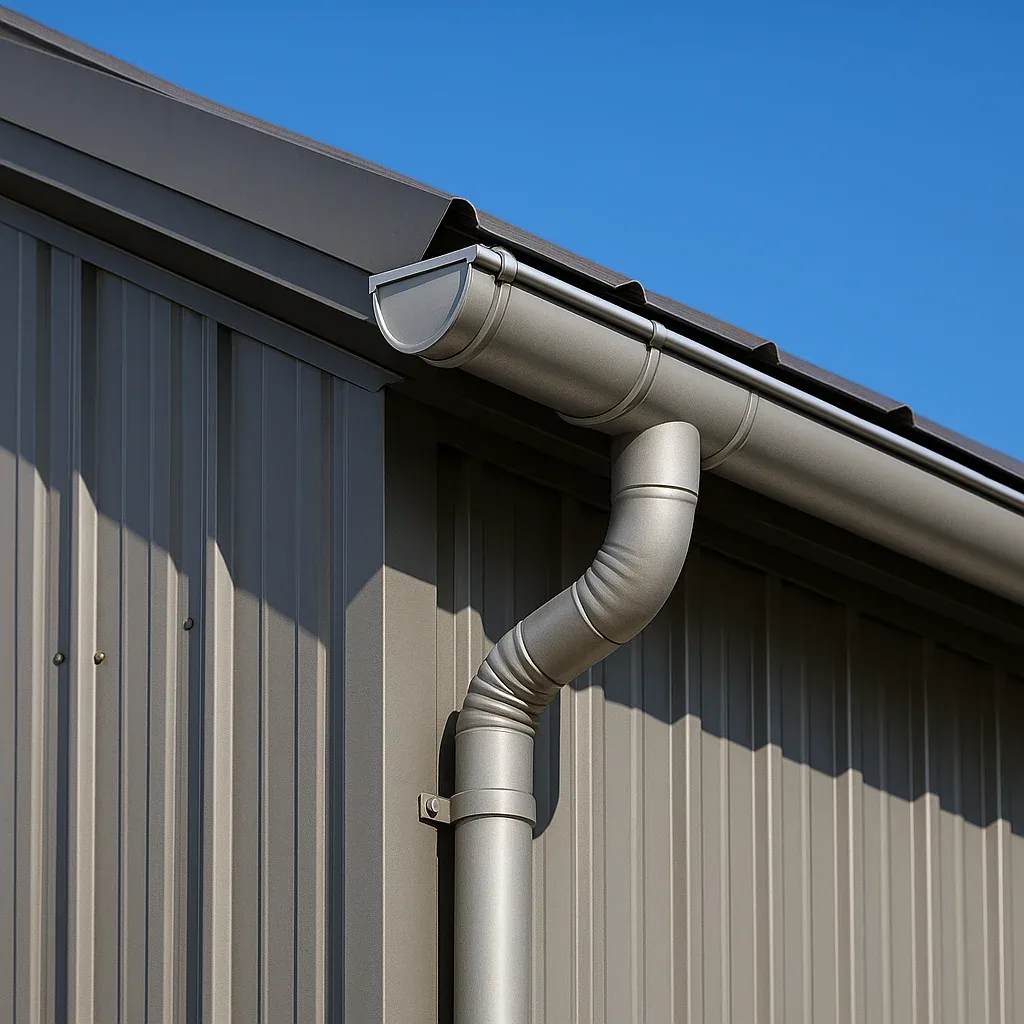
Our perimeter metal and gutter work coordinates those transitions with drainage and exterior access. In Goldsby, a requested production or staging property can have material movements beneath the proposed work area. We establish that actual operation and arrange protection while the edge is open. The panel, closure and discharge route are examined together at completion. Any wall or support correction still belonging to another trade remains identified before roofing handoff so the finish does not obscure a task affecting the water-shedding connection.
Which condition beneath the metal affects renewal?
Insulation, underlayment or support deterioration beneath panels can change a proposed surface repair. We investigate the concealed question relevant to the work and identify which material remains suitable. Metal panel condition and the supporting assembly are assessed separately, then brought together in the construction scope. A sound-looking panel cannot establish the condition of the materials supporting or adjoining it.
Where a change to a membrane roof system is considered, the receiving structure, profile and support requirements need their own assessment. Retained metal cannot be assigned a new role without examining how the proposed assembly transfers load and creates a suitable surface. The scope identifies design or structural information required and the preparation that follows it. Drainage and flashing elevations are also reviewed so new layers do not leave incompatible curbs or outlets. Renewal selection then follows the actual receiving conditions instead of treating a new covering as an isolated material decision.
What should be checked after service or storm damage?
Walking, tools or replacement parts can deform panels and disturb transitions during equipment work. We identify appropriate access and inspect contact areas where new damage is reported. The examination follows the panel profile and adjoining connection, including fastening or support changes that can affect movement. A localized surface mark and a damaged seam need different assessment tasks.
Midwest City's aerospace and industrial uses provide operating context for a requested metal-roof project, with the actual property schedule established by its contact. A metal assembly condition inspection can evaluate altered details after relevant work or an event. We locate completed repairs and identify retained components for later care. The material and connection information helps a returning crew preserve the movement arrangement and select compatible work. Drainage clearing and equipment access remain coordinated with the metal roof's physical details rather than assuming the panel finish is unaffected by later trade activity.
Related Work
Commercial Roofing Questions
Can an extra fastener create a problem at a moving panel?
An added restraint can change the system's movement arrangement. We identify the installed clip and fixed-point configuration before selecting a repair. The detail needs to follow the actual panel requirements and the receiving support rather than close the opening with an unrelated fastening method.
Will sealant restore a deformed standing seam?
Examine the seam profile and adjoining panel condition first. A damaged connection can require compatible reconstruction or replacement. We identify the support and access tasks needed before deciding how the panel and its water-shedding junction can be restored.
Should equipment curb work be designed with the metal transition?
Coordinate the support, clearance and water route before installation. We examine how the curb interrupts the panel arrangement and identify the roofing release point. The responsible equipment and design tasks are completed before the metal detail closes access.
How do you assess a membrane retrofit over an existing metal roof?
Evaluate the receiving structure, retained panels and proposed support arrangement for the new assembly. We identify investigation or design work needed to establish suitability. The scope also addresses drainage and flashing changes before a membrane option is selected.
Examine the panel movement and adjoining transitions
Send the Norman-area building location, metal profile information, damaged connection and equipment or construction schedule. We will assess support, movement and the compatible closure sequence for the requested work.
Request a Roof Assessment