Roof Systems
Exposed reinforcement at an aged sheet opening changes the material available to receive a repair. The damaged membrane needs examination through to a sound boundary before another component is welded across it, with adjoining layers checked where the opening admits water. We install and repair KEE and PVC-alloy roofing in Norman, OK, by establishing the actual product, underlying layers and adjoining detail requirements. The material decision follows the assembly and exposure, with preparation selected for the membrane that will receive the work.
The Lindsey Street District has restaurant, fitness and automotive service businesses. Northwest Norman combines offices, retail and specialty medical uses. On a requested property, equipment operation and service access can influence the exposure and roofing sequence. We examine those conditions before comparing an alloy membrane with other PVC roofing options. The proposed connection remains tied to the specific sheet and project requirements instead of transferring one product's repair method to another without assessment.
Which installed product receives the repair?
An older roof can include more than one repair material, and its surface appearance may not identify the original covering. We review available material information and examine the installed assembly before selecting compatible components. KEE-containing and other PVC-alloy products can differ in their construction and application requirements. KEE refers to ketone ethylene ester, a polymer used in certain membrane formulations to contribute flexibility. The product still has a specific reinforcement, sheet construction and compatible flashing arrangement. We assess those components rather than treating the formulation name as permission to mix repair materials. The product information establishes the preparation, welding and flashing details for the actual sheet.
Where that information remains unresolved, further investigation is identified before a permanent repair is proposed. The roof-side work should not rely on a material name that overlooks an earlier patch or coating at the receiving area. We examine the boundary and identify what must be removed to reach a suitable surface. Comparisons with TPO sheet systems can support a new-roof decision, but the repair follows the installed membrane's requirements. This keeps compatibility connected to the component receiving the weld rather than to the appearance of a nearby roof field.
How does equipment exposure enter system selection?
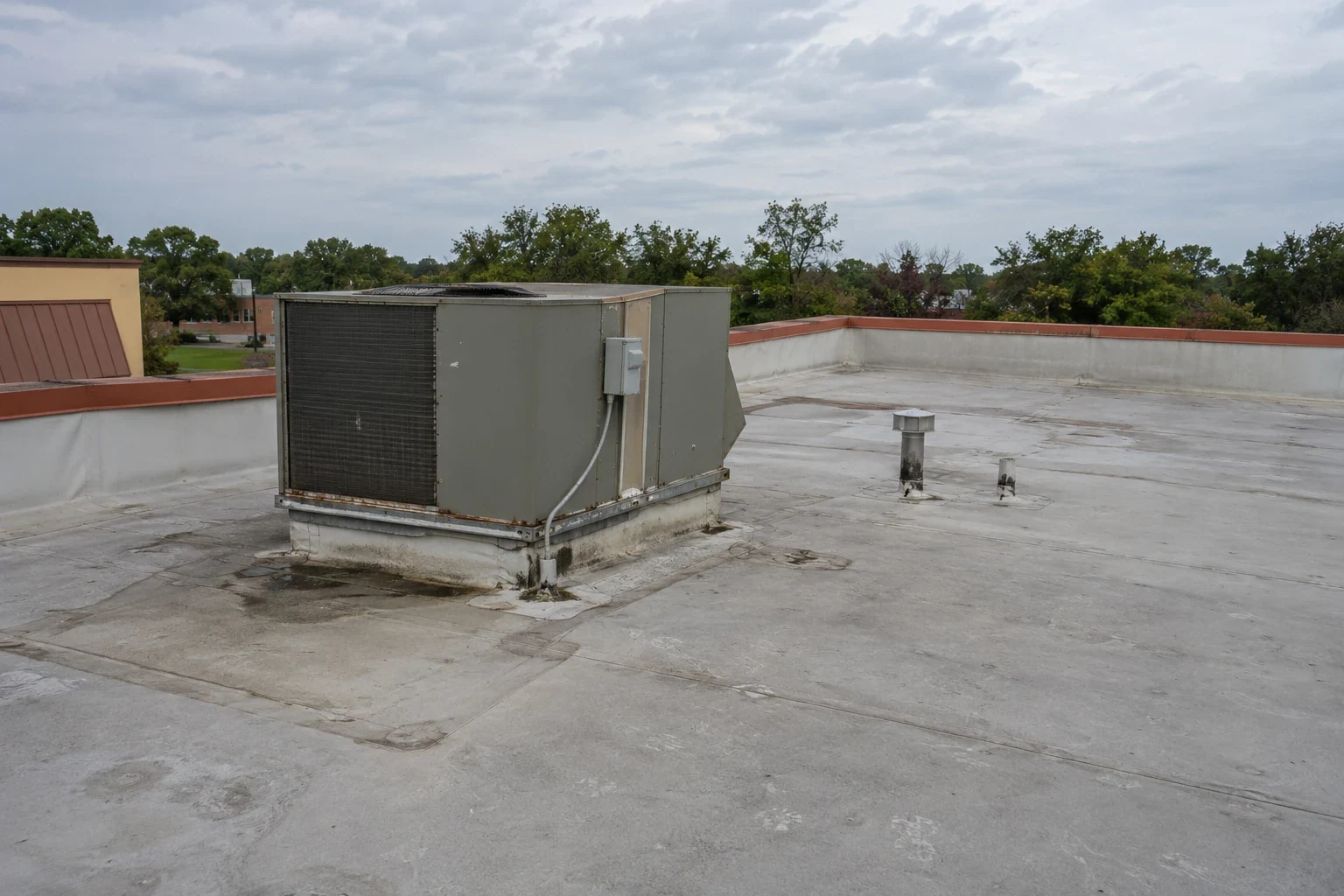
A deposit from rooftop equipment can affect both the membrane assessment and the preparation needed for repair. We identify the actual substance or operating condition with the building team, then consider it against the proposed product's suitability and application information. Chemical resistance, flexibility and other material characteristics belong to the specific system being evaluated. The roof is examined for visible deterioration and changes at exposed interfaces.
Work above restaurant equipment and occupied spaces may require cleaning, exhaust service or protection coordinated with another trade. We establish the roofing boundary and the component task that changes it. An unresolved component causing exposure can continue affecting a repaired area, while unsuitable cleaning can damage material that could otherwise remain. Preparation therefore follows the identified sheet and deposits. The general contractor receives the material treatment and equipment handoff together so the new connection is installed after the receiving condition is ready.
What changes between a field weld and a shaped detail?
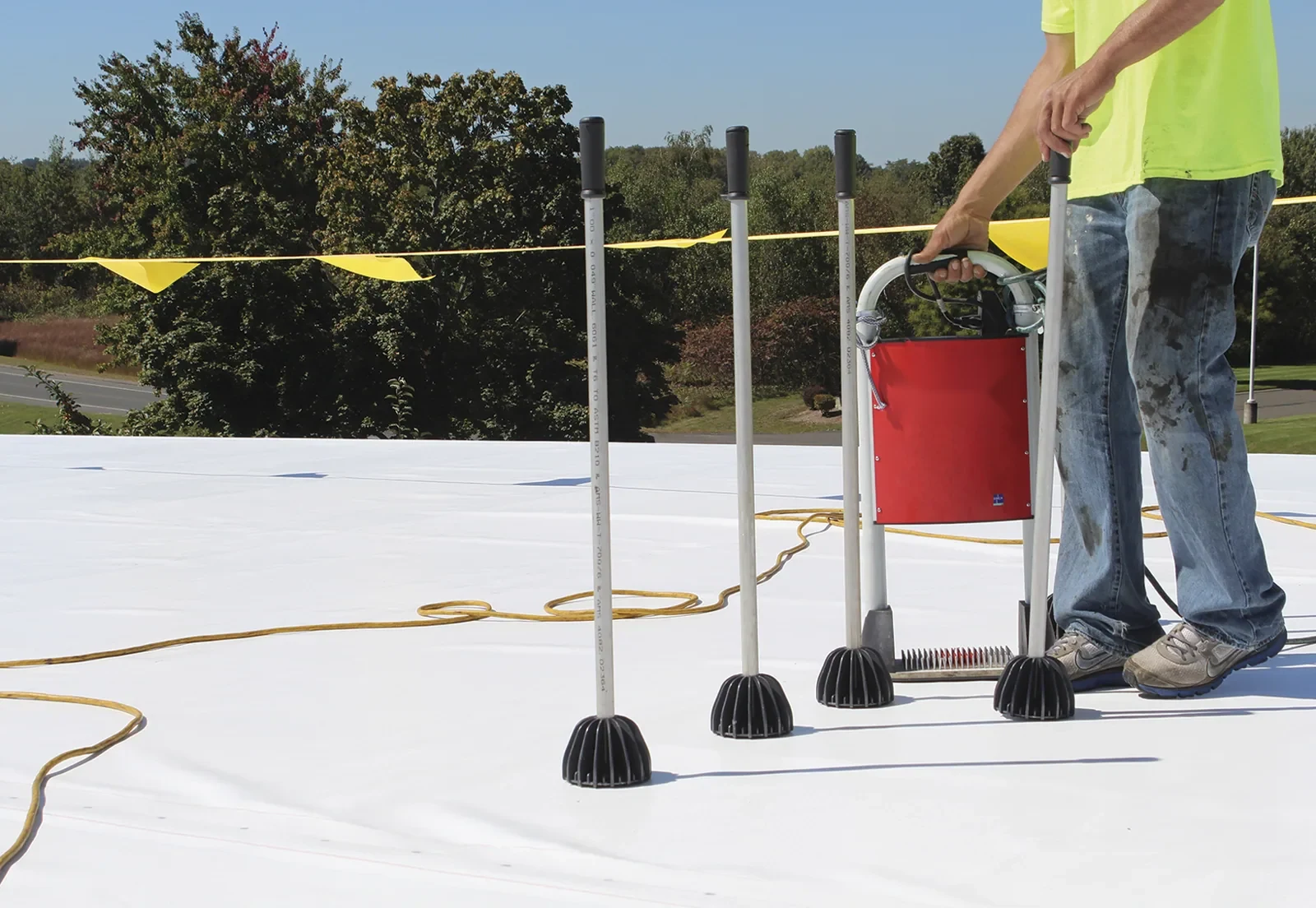
A straight overlap allows a different working position from a corner beside closely spaced equipment. We examine the detail geometry and usable access before selecting the installation sequence. The sheet, flashing components and preparation must be compatible with the chosen system. Welding conditions are assessed during the work, with completed connections checked appropriately before adjoining construction hides them.
Corner transitions and penetrations can require component adjustment or access from another trade. We coordinate flashing at shaped roof junctions with the actual curb or penetration arrangement. A small surface opening may conceal a support or clearance problem affecting the repair. That condition is identified before a new strip is added. The detail reaches suitable receiving material and closes after the adjoining component is ready, preserving the inspection point needed to examine the actual weld and termination rather than only the broad field sheet.
What supports the selected membrane beneath the weld?
Deteriorated insulation beneath a damaged seam can prevent the surface repair from receiving a useful base. We investigate the material condition relevant to the proposed scope and identify retained layers that need correction. Selected openings establish the assembly at their actual locations, while any suitable survey findings are related to physical confirmation. The removal boundary is chosen for both the affected material and the tie-in needed for replacement.
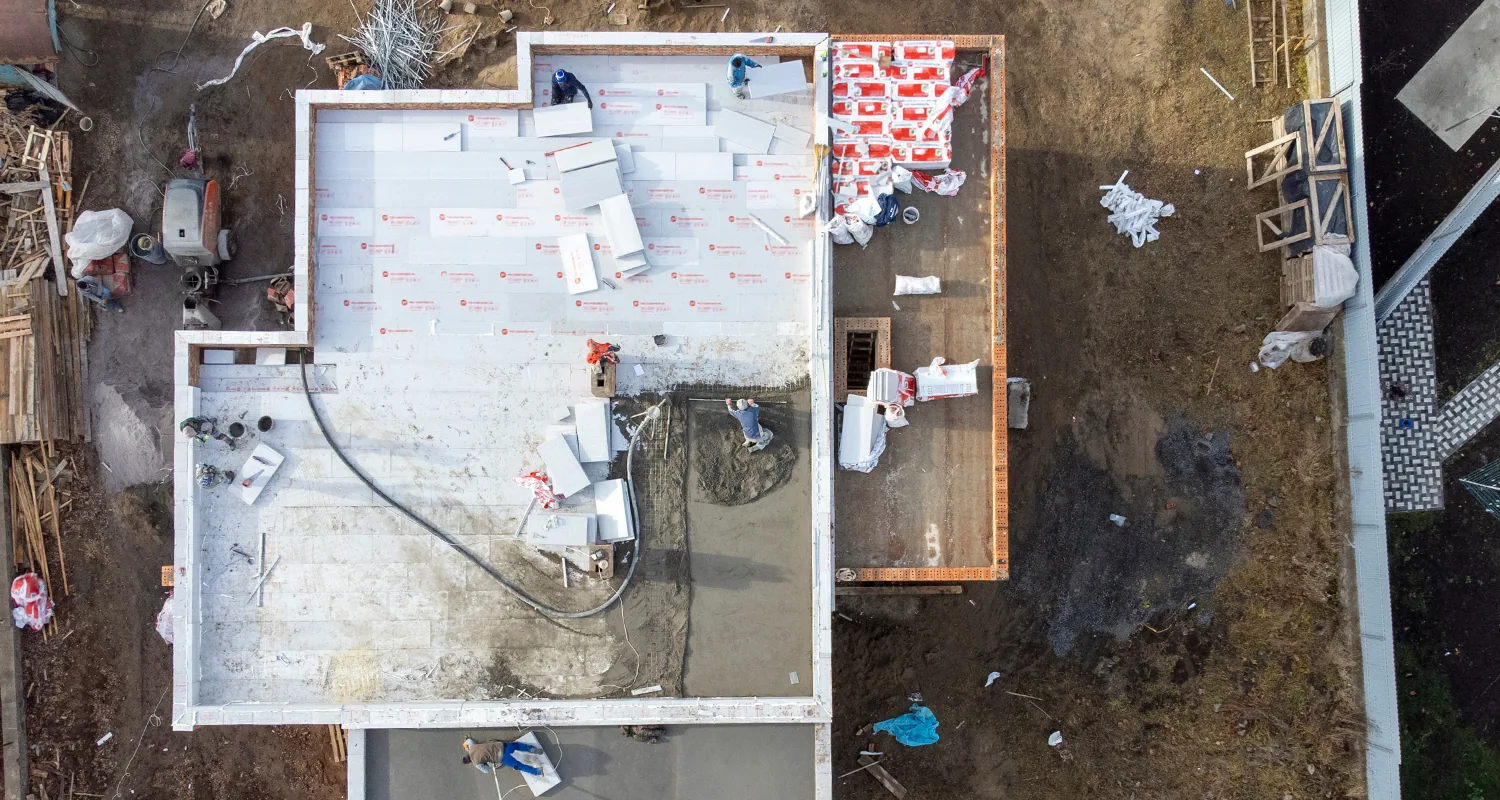
Insulation and cover board installation changes support, attachment and the elevations beside details. We examine those relationships against the proposed alloy membrane assembly. The deck and receiving layers need suitability established before attachment is selected, with design or other investigation where required. A board added over unsound material does not resolve the underlying condition. The construction team receives the layer sequence and component tasks that must precede sheet placement, allowing the new covering to close an assessed base rather than an unexamined retained assembly.
Which work period keeps the connection accessible?
An equipment unit returned to its curb too early can hide the flashing preparation still required. We establish the component release and roofing closure point before the unit task begins. Temporary water control is coordinated while the junction remains exposed, with the affected interior operation identified by the building representative. The sheet and detail work are scheduled against actual access and readiness.
In Northwest Norman, offices and specialty medical properties can have different service interruptions and entrance needs. We examine the requested property's arrangement and coordinate the membrane work with its contact. Construction above occupied areas includes the removal boundary, material route and protection needed for that stage. The compatible alloy detail is then installed while its receiving component remains available. This sequencing keeps the material choice tied to the work that makes the connection possible, including the inspection required before equipment or other construction closes access.
When should the assembly decision be revisited?
Connected failures across several details can change the usefulness of isolated repairs. We examine whether sound material remains for the proposed connection and whether concealed layers or attachment concerns extend beyond it. A broader renewal option may need removal, support correction and drainage changes described together. The comparison follows those physical findings and the operating constraints of the building.
Cleveland County normals include hot summer days and nights below freezing, making movement at membrane-component interfaces a relevant assessment topic. The actual product and attachment determine the points examined. Later care preserves material identification so compatible repairs can be selected after equipment work or new damage. A follow-up examination of the membrane details can review altered connections when the project or operation changes. We identify the locations restored and remaining tasks at completion, giving the next crew the assembly information needed to continue work without selecting a component from surface appearance alone.
Related Work
Commercial Roofing Questions
Can a repair material be selected from the membrane's color?
Identify the installed product and previous work before choosing the component. Similar-looking sheets can have different compatibility and preparation requirements. We establish the receiving material and any additional investigation needed for a suitable permanent connection.
Should exposure resistance be assumed for every PVC-alloy product?
Evaluate the actual substance and proposed product together. We examine the roof condition and relevant application requirements before recommending the assembly. Equipment or cleaning tasks are coordinated where they change the receiving surface and the repair sequence.
What happens when equipment blocks a shaped flashing detail?
Coordinate the required access or unit movement before roof closure. We identify the curb or penetration task and the release point needed for preparation. The compatible detail is completed while the receiving surfaces and weld remain accessible for examination.
How does concealed insulation damage affect a seam repair?
The affected layer may need removal before the new sheet receives useful support. We investigate the adjoining material and establish a workable replacement boundary. The membrane closes after the retained and new layers are assessed for the selected construction.
Identify the alloy membrane and its receiving condition
Send the Norman property location, available product information, exposure or detail concern and equipment schedule. We will assess compatible preparation and the assembly tasks needed before the repair or installation closes.
Request a Roof Assessment