Commercial Roofing Services
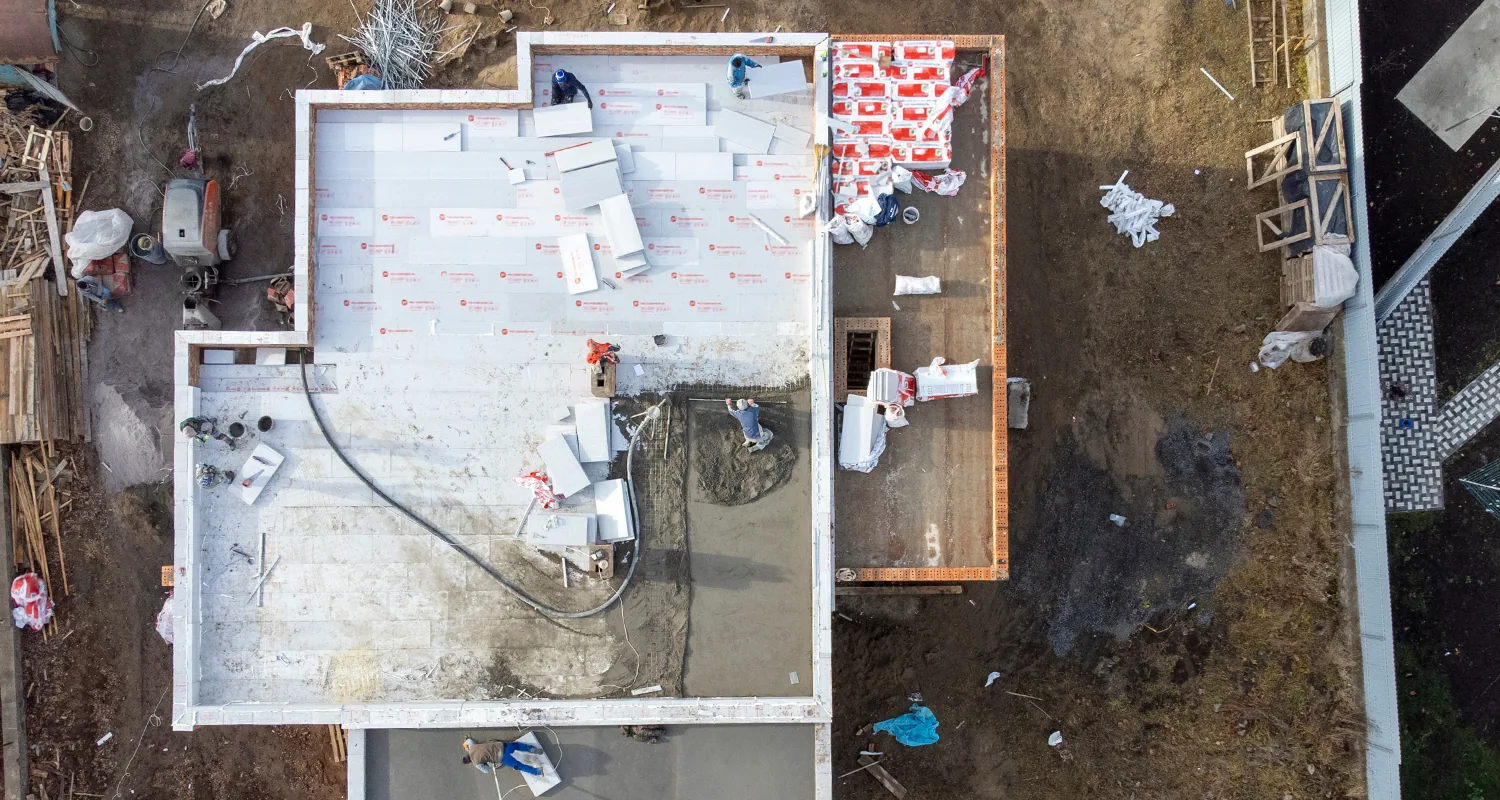
A cover board bridging an uneven insulation joint can leave the membrane without continuous support at the repair boundary. The new layers need a suitable base and a coordinated arrangement before the covering is attached. We install commercial roof insulation and cover board in Norman, OK, by examining the deck, retained materials and the drainage profile the build-up must create. Layer selection follows those receiving conditions and the requirements of the proposed roof assembly.
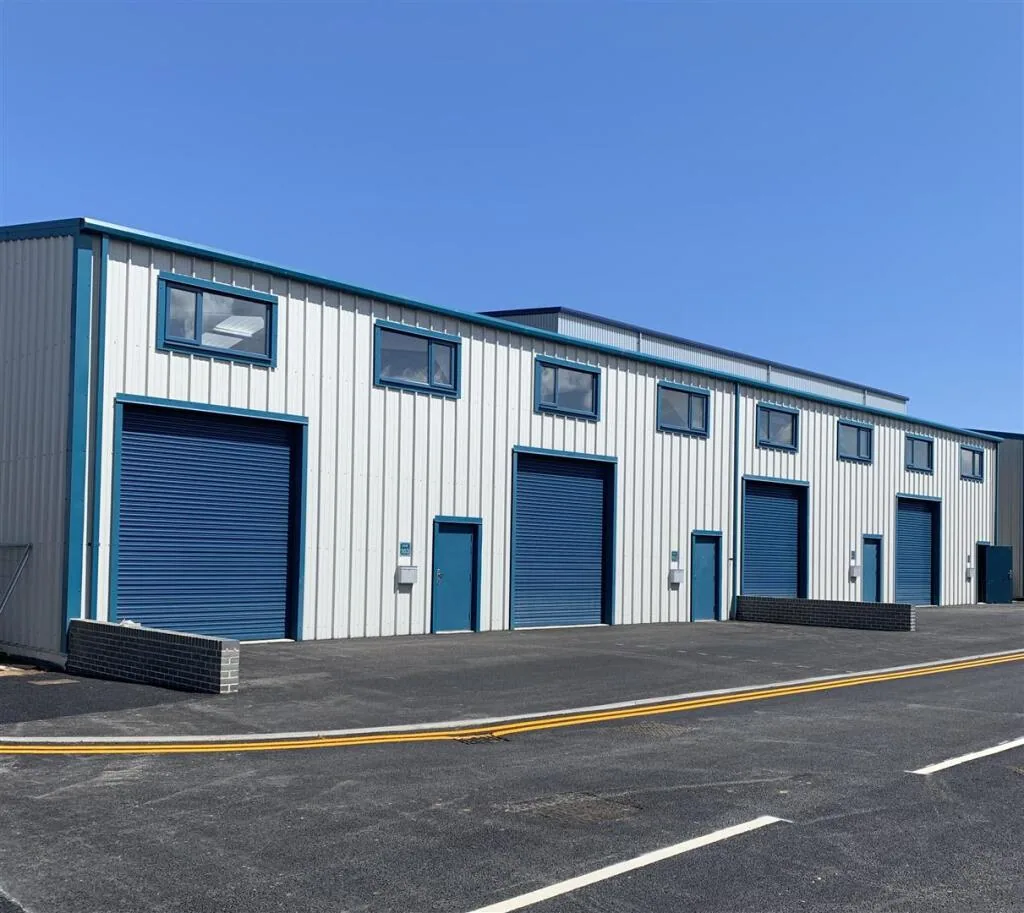
The Highway 9 and Highway 77 area of southeast Norman includes multifamily housing and retail development. Goldsby's industrial and flex properties support office, production and staging activities. On a requested property, the roof layers and interior operation determine access, protection and removal sequencing. A replacement assembly assessment can establish which material is removed, while a recover assessment needs the retained layers examined before new insulation or cover board is proposed.
What can the receiving deck support?
A deck with deterioration or unsuitable attachment conditions changes the roofing task before board installation begins. We examine accessible findings and selected exposure where the proposed work depends on concealed components. The deck type, condition and assembly design influence fastening and load transfer. A new board layer cannot correct a receiving structure that needs its own repair or assessment.
We identify the roofing boundary and any structural task required before closure. Where another trade must correct deck or support components, the opened area is protected and left available for the necessary examination. Attachment selection follows the actual base and proposed assembly, including appropriate testing or design where required. The construction team receives the sequence for substrate preparation and board installation, with the point at which the base is ready clearly established. This keeps the insulation task connected to the support needed beneath it instead of treating the new layers as independent of the building.
Which existing layer remains useful?
Insulation exposed at an old patch may differ from material beneath a leaking curb. We assess the proposed retained layers for condition, moisture and support before setting a removal boundary. Where a survey or selected opening is appropriate, its purpose is to establish the material question that affects the new assembly. Confirmed deterioration can require local removal or a wider change in scope.
An assessment of concealed insulation moisture can help select investigation points when thermal examination is suitable. Physical checks relate those observations to the actual layers. The transition between retained and replacement material also matters: the board arrangement needs continuous support and a workable elevation. We identify where thickness or profile changes would affect the membrane above it. The repair boundary therefore reflects both the condition to remove and the receiving surface needed for new materials, with additional exposure examined before the covering conceals it.
Where should the tapered layout send water?
A tapered section beside a curb can redirect flow only if it connects with the surrounding profile and a usable outlet. We examine the roof elevations and drainage route before arranging the insulation. Local crickets, sumps and broader tapered areas serve different functions, so their relationship with drains, scuppers and perimeter details is established for the requested assembly.
The work can change flashing height as well as slope. We coordinate drain and scupper transitions with the new layer thickness and identify curbs or wall connections needing adjustment. Door thresholds and equipment clearances may also limit the build-up. A layout that improves one basin can affect another detail if those elevations are considered separately. We explain the adjoining tasks before installation so the general contractor can arrange equipment, outlet and roofing work in the order required. The intended water path remains part of the construction check before the membrane closes the board surface.
What does the cover board change above the insulation?
A suitable cover board can provide a different receiving surface and protection for the roofing assembly above it. Its type and arrangement are selected against the proposed system, support and operating exposure. The board must be installed according to the assembly's requirements rather than added as a generic cure for soft or unsuitable insulation below. We establish the condition of that underlying material first.
For a TPO membrane installation, the selected board and attachment need to work with the sheet and its application method. Board joints, secure placement and surface preparation influence the connection the membrane receives. Equipment servicing can also affect the protective detail above the assembly. On a flex industrial property, the actual roof traffic and support arrangement are discussed before protection is selected. The covering, board and insulation are considered as connected layers, with the receiving conditions and maintenance access carried through the material decision.
How do the layers close around an operating building?
Opened insulation needs protection from weather while removal and replacement advance. We plan work areas against the ability to restore a watertight boundary, including the time needed for board preparation and adjoining flashing. New material is handled and stored for the conditions it requires. The daily sequence accounts for exposed layers, temporary protection and the trade tasks that must be completed before permanent closure.
In Goldsby, production and staging activities at a requested industrial property can influence deliveries and roof access. Southeast Norman's retail and multifamily development introduces different occupied-area considerations. We establish the actual requirements with the building team, then coordinate roof layer work above occupied spaces against those constraints. Interior protection, material routes and equipment changes are assigned to the relevant tasks. The replacement boards proceed after the exposed base and adjoining components have been assessed, avoiding closure that leaves another trade needing to reopen the new layers.
Which assembly questions remain beyond board thickness?
Insulation thickness contributes to thermal performance, but the roof arrangement also includes attachment, interfaces and moisture behavior. The proposed design considers the building and applicable requirements, with vapor control assessed where relevant to the assembly. A change to one layer can affect the way moisture and heat move through adjoining materials. We identify those questions before selecting the build-up rather than relying on board thickness alone.
Cleveland County's published normals record repeated hot days and freezing nights. That county context makes thermal movement and seasonal exposure relevant considerations, while the requested building's construction determines the actual solution. We coordinate energy and assembly requirements for the project without assigning an unexamined existing configuration a new performance outcome. The completed work is checked through its board support, attachment, drainage and flashing connections. Material information and altered details are retained for later repairs so a subsequent crew can identify which layer receives the covering and which connections changed during installation.
Related Work
Commercial Roofing Questions
Can new cover board remain over wet insulation?
Investigate the insulation condition before deciding what can be retained. Unsuitable wet or deteriorated material requires a defined treatment before the board is installed. We establish the removal boundary and receiving support needed for a compatible replacement assembly.
Will tapered insulation require curb changes?
Added thickness can reduce the usable flashing height beside equipment. We check the new profile against the curb, outlets and other adjoining details. Any necessary component adjustment is coordinated before the insulation and membrane close the area.
How is attachment selected for an unfamiliar deck?
Identify the deck and assess its condition for the proposed assembly. Testing, design or structural work may be required where suitability remains unresolved. We select the roofing attachment after that receiving information is available and sequence repairs before board installation.
What should happen at the edge of a localized insulation replacement?
The retained and new layers need useful support, compatible height and a workable membrane tie-in. We examine the adjoining material and adjust the removal boundary where necessary. That transition is prepared before the covering closes access to the board arrangement.
Establish the layers and elevations your roof needs
Provide the Norman-area building location, known deck and covering, moisture or drainage concern and construction schedule. We will assess retention, attachment and adjoining detail changes for the proposed board work.
Request a Roof Assessment