
Systems We Install and Repair
Compare membrane, metal, foam and coating roof systems for Norman, OK buildings. Material condition and tie-in details guide the right repair or renewal.
The membrane is one part of a commercial roof system. Insulation, attachment, flashing and drainage form a connected assembly, and a new surface has to work with the layers it receives. Commercial Roofers Norman installs, repairs and maintains low-slope and metal systems in Norman, OK. We examine materials, deck, perimeter and penetrations before recommending a detail. Downtown Norman includes restaurants, galleries, shops and studios; University North Park extends along Interstate 35 with retail and hotels. Each use still depends on water control at transitions and access for equipment trades.
TPO Commercial Roofing
Install and repair TPO roofing in Norman with weld preparation, receiving-layer checks and coordinated curb, outlet and perimeter connections for the building.
Learn more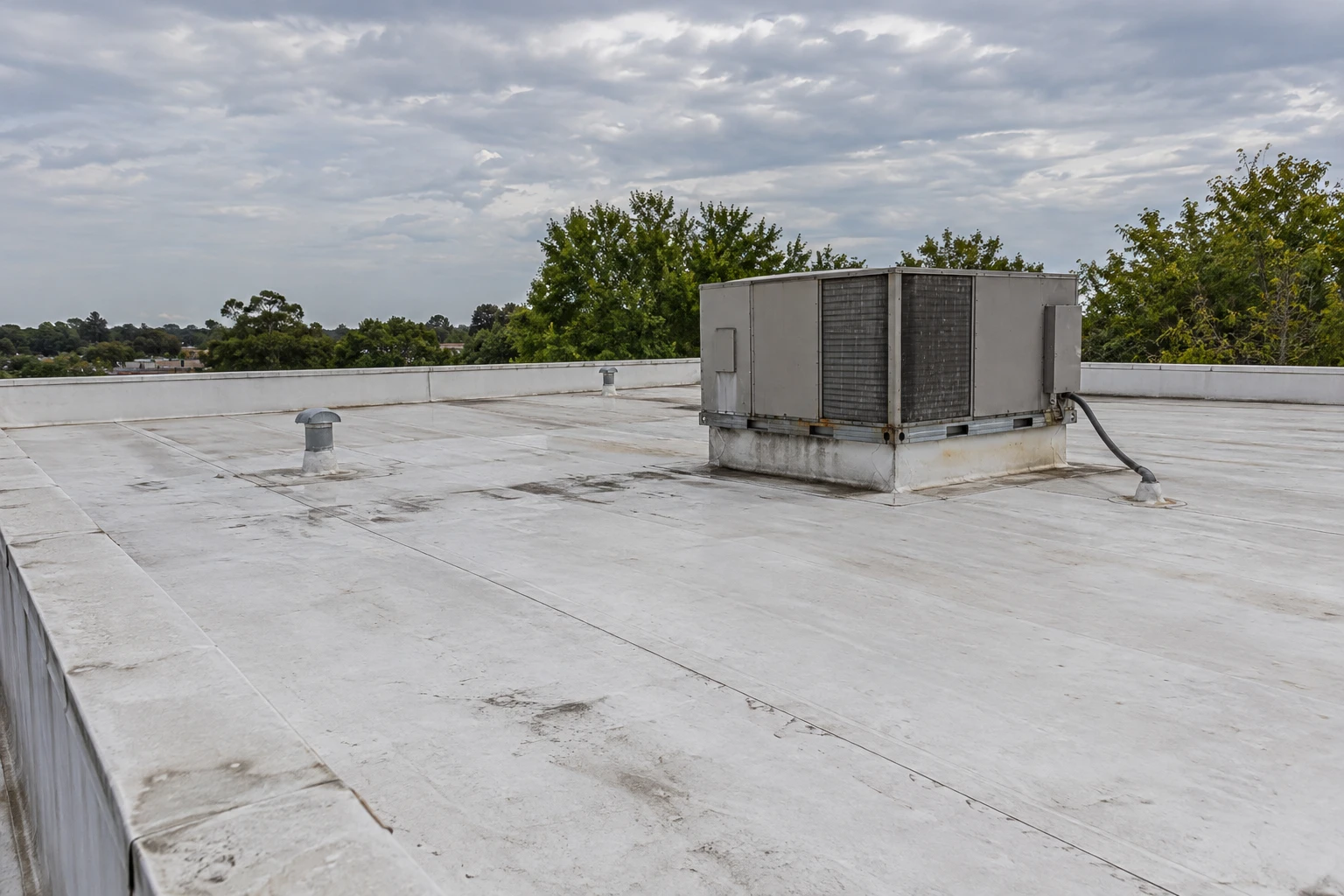
PVC Commercial Roofing
Assess PVC roofing in Norman through welded detail checks, exposure compatibility and layer condition before membrane repairs or a coordinated new installation.
Learn more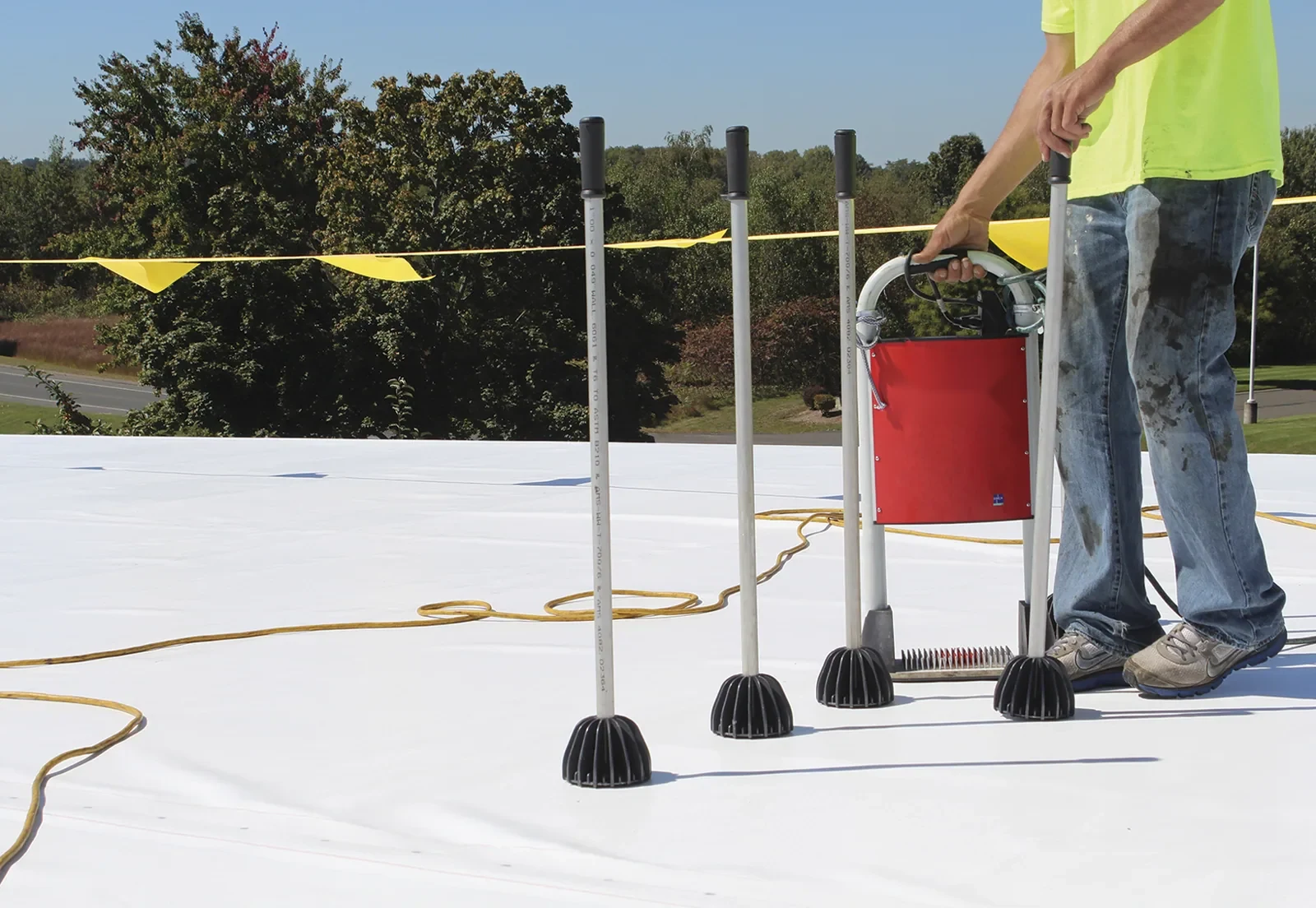
EPDM Commercial Roofing
Repair or install EPDM roofing in Norman with seam preparation, flashing geometry and retained-layer checks that establish compatible roof connections.
Learn more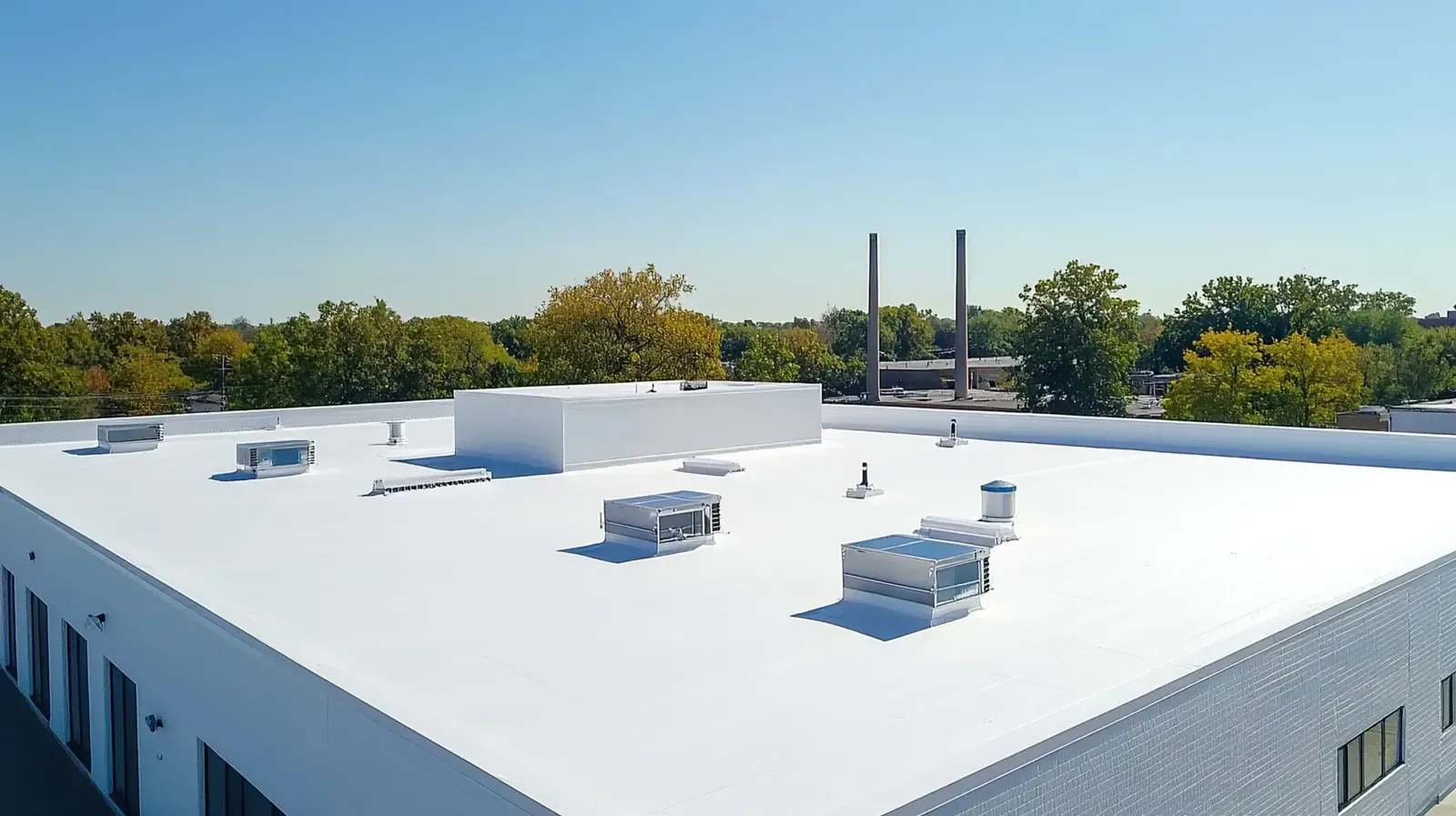
More in This Section
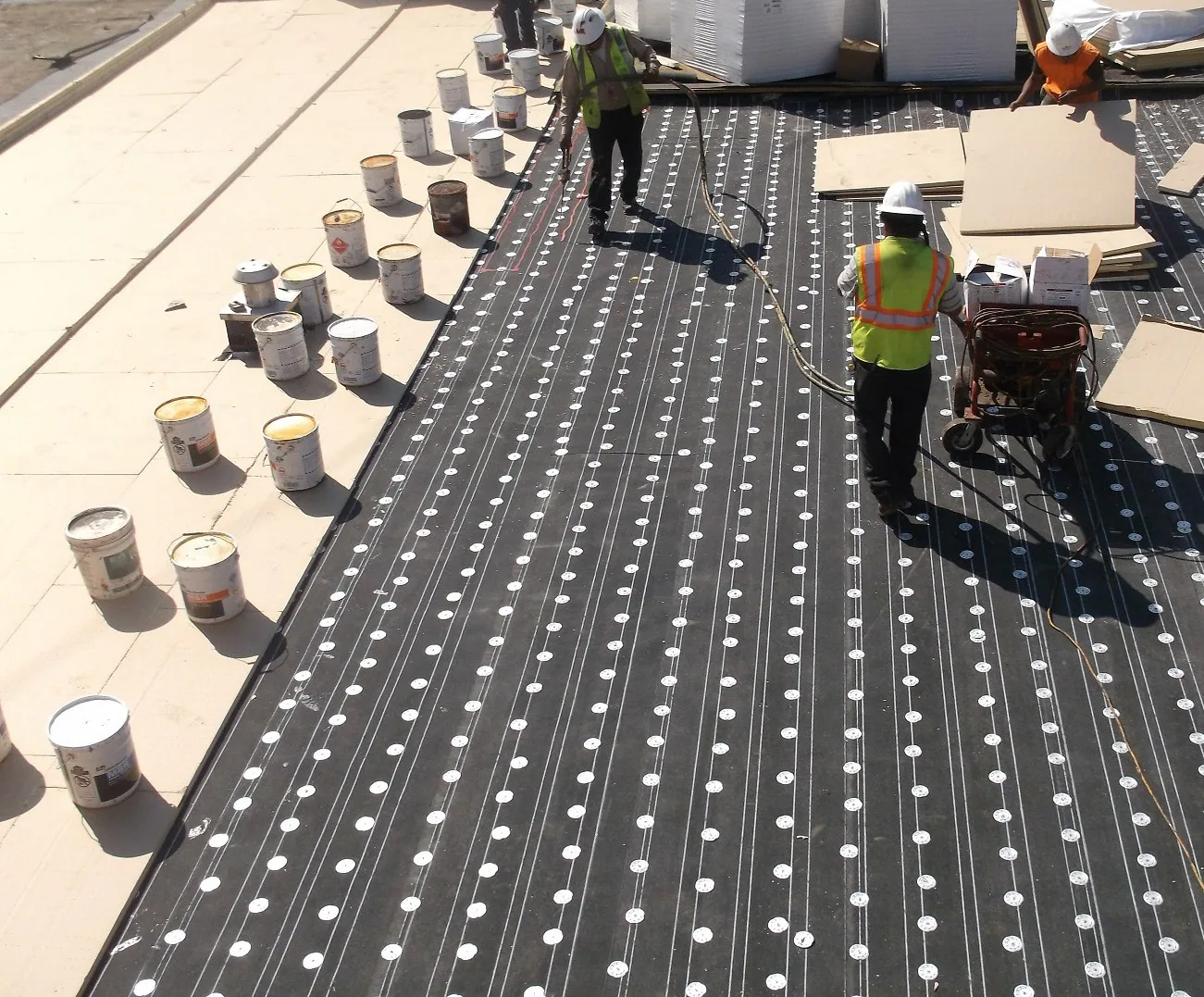
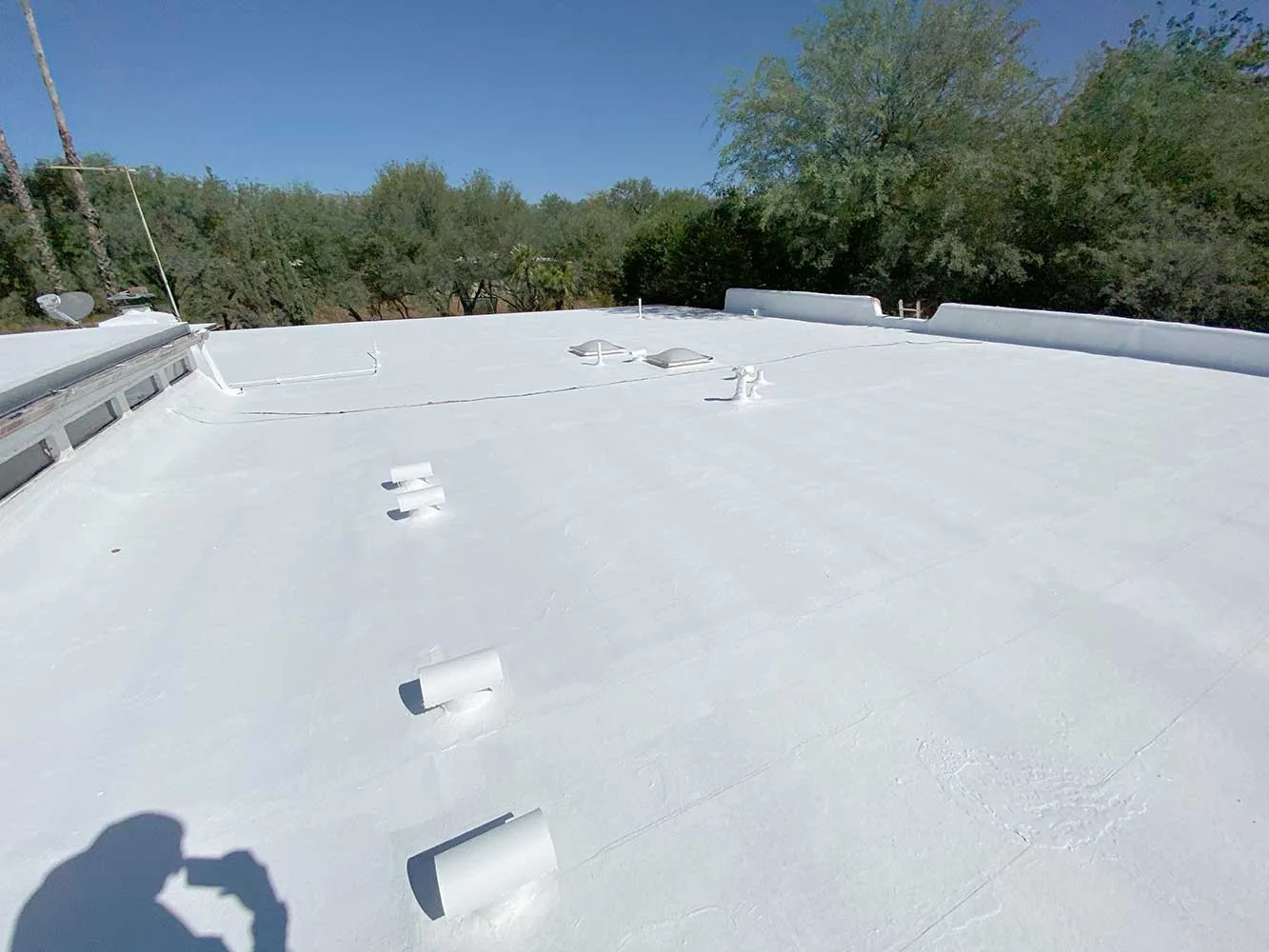
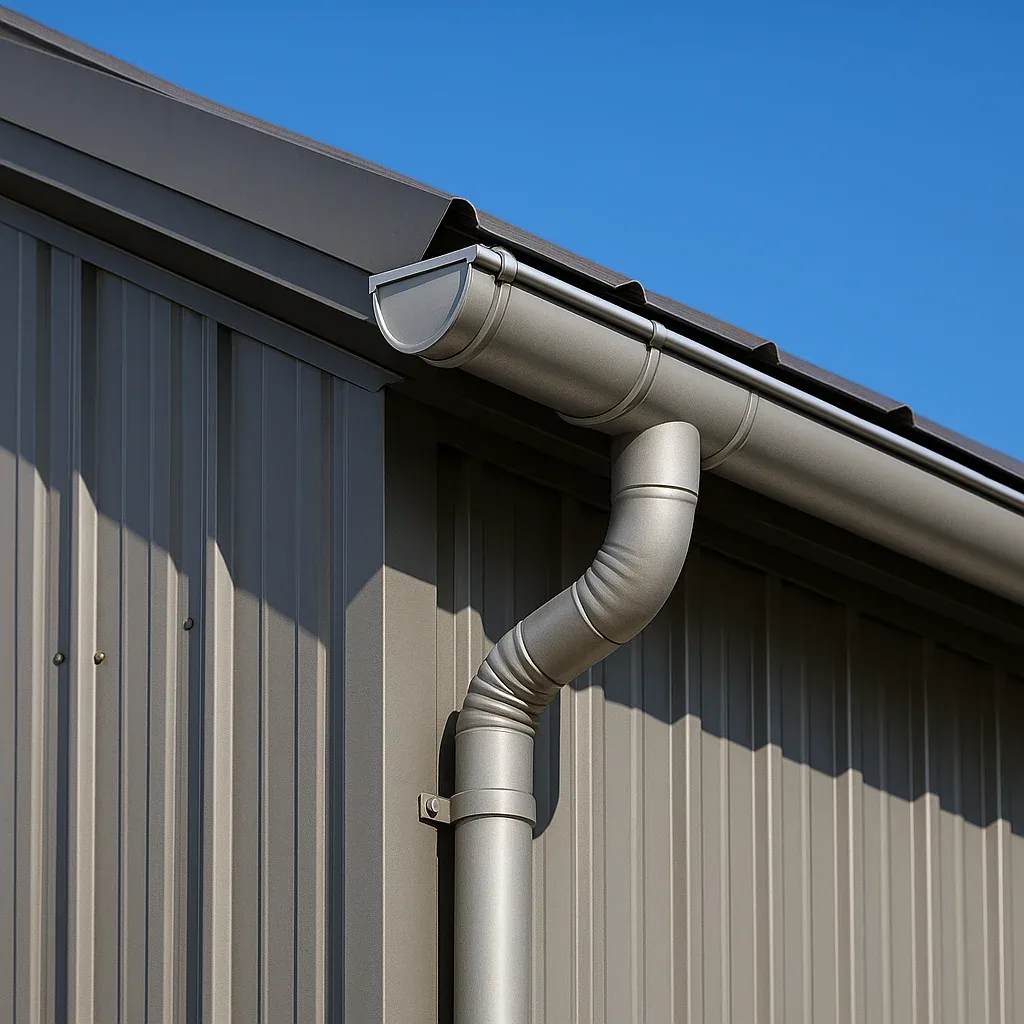
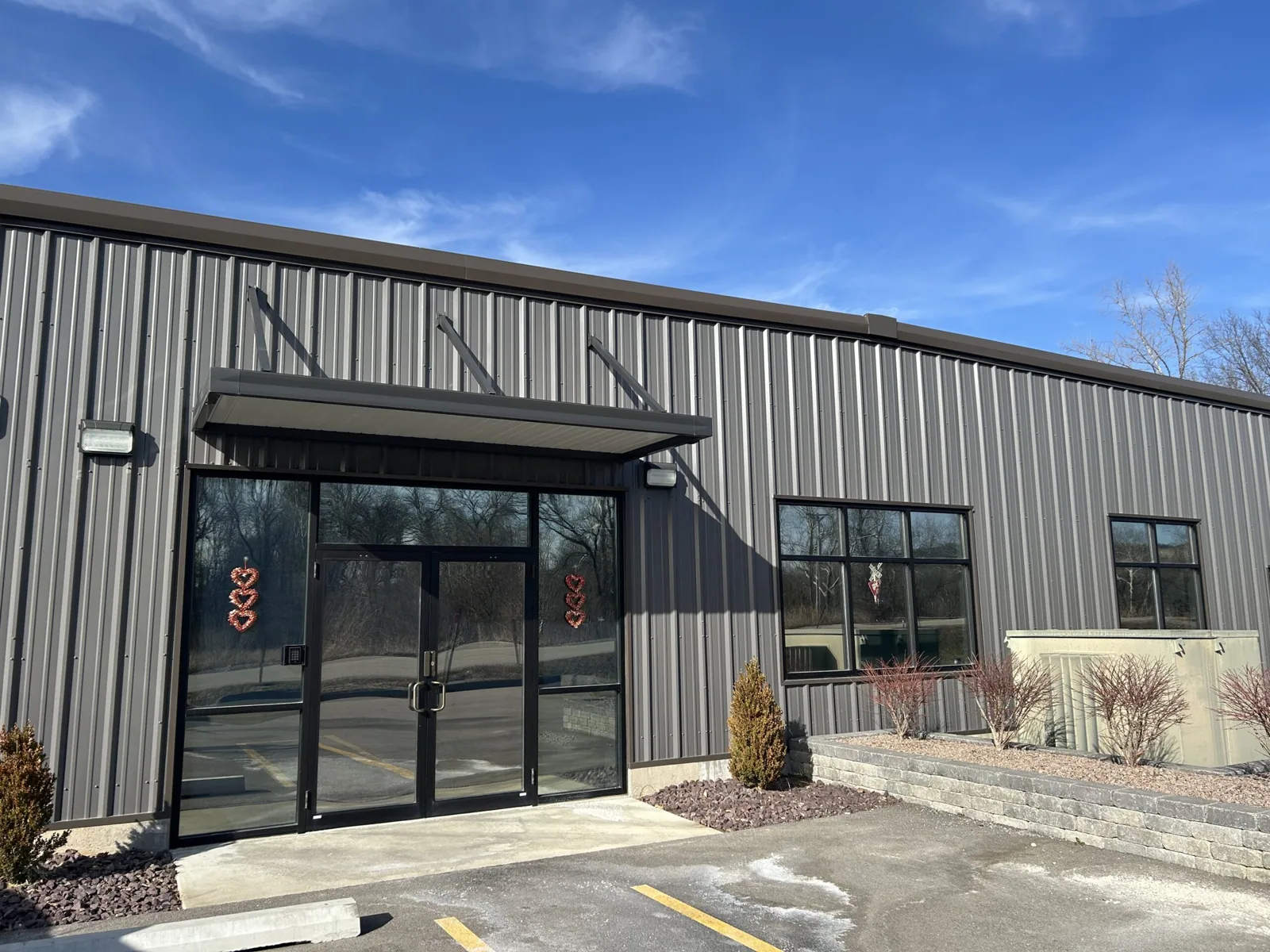
Which membrane is receiving the detail?
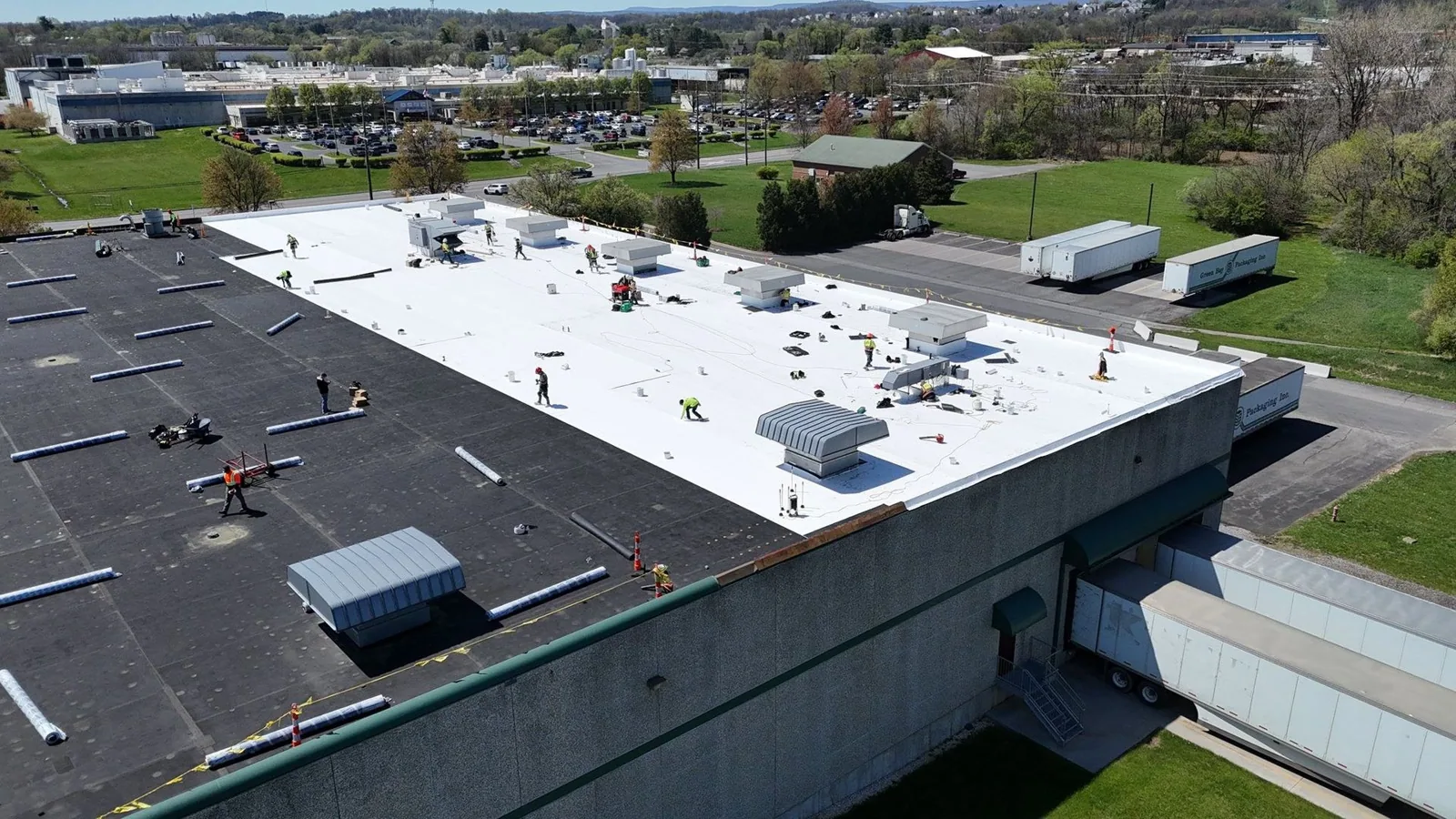
Single-ply membranes differ in chemistry, reinforcement, attachment and seam construction. TPO roofing and PVC roofing use heat-welded seams, so repair depends on clean material and a sound weld. EPDM uses different seam and flashing materials; compatibility has to be maintained at patches and penetrations. KEE systems also require identification before a repair product is chosen. A recover decision turns on retained-layer moisture, attachment and compatibility with the new membrane. We examine bond condition and the receiving surface before specifying the new layer.
What changes with a layered or metal assembly?
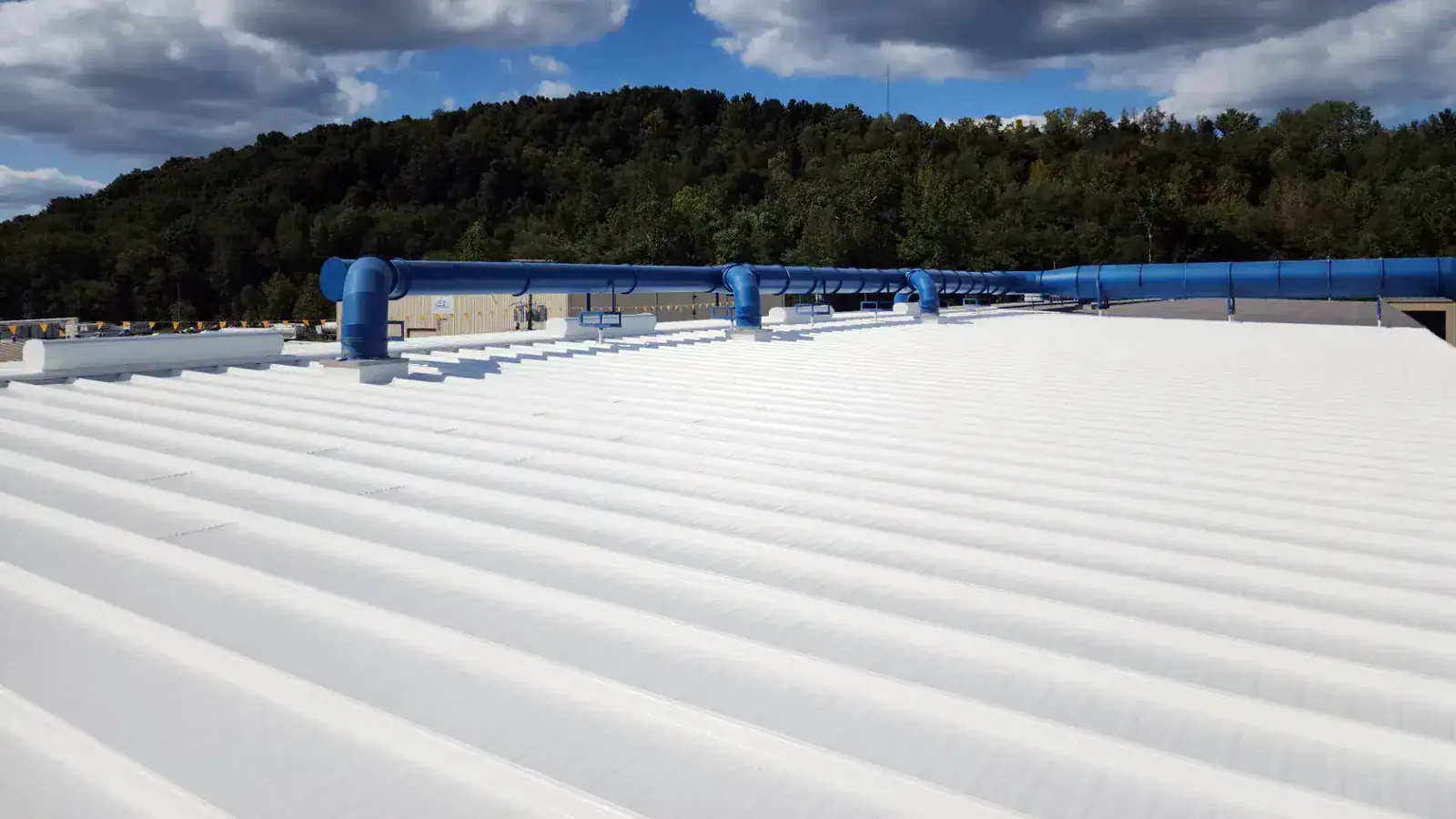
Modified bitumen and built-up roofs rely on multiple layers, surfacing and detailed flashing. A repair may need to restore those layers in the same order so water cannot travel between plies. Standing-seam metal moves at clips and panel joints; a new penetration must respect that movement rather than lock the panel in place. Modified bitumen, built-up assemblies and standing-seam metal therefore call for distinct inspection and attachment decisions. A metal-over-roof retrofit adds structural and condensation questions before a new exterior profile is attached.
Can a coating restore the existing surface?
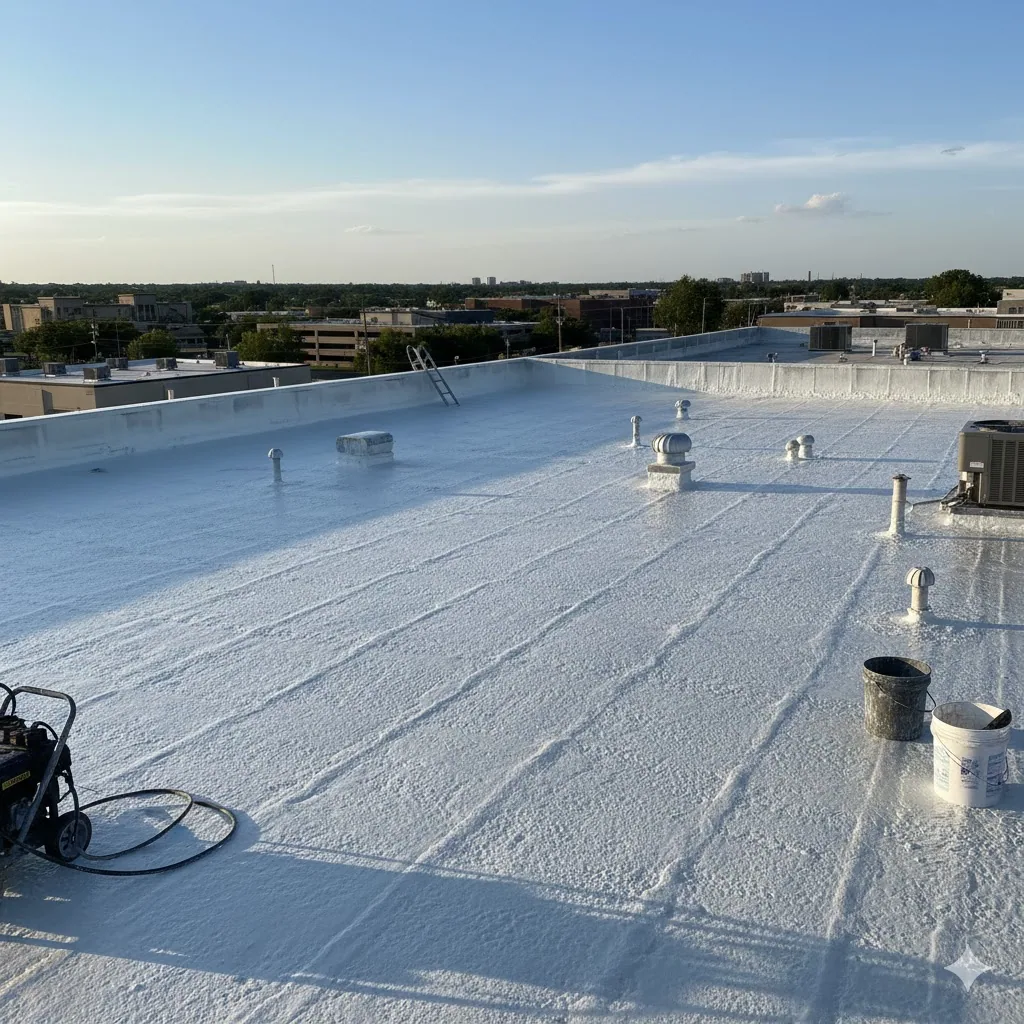
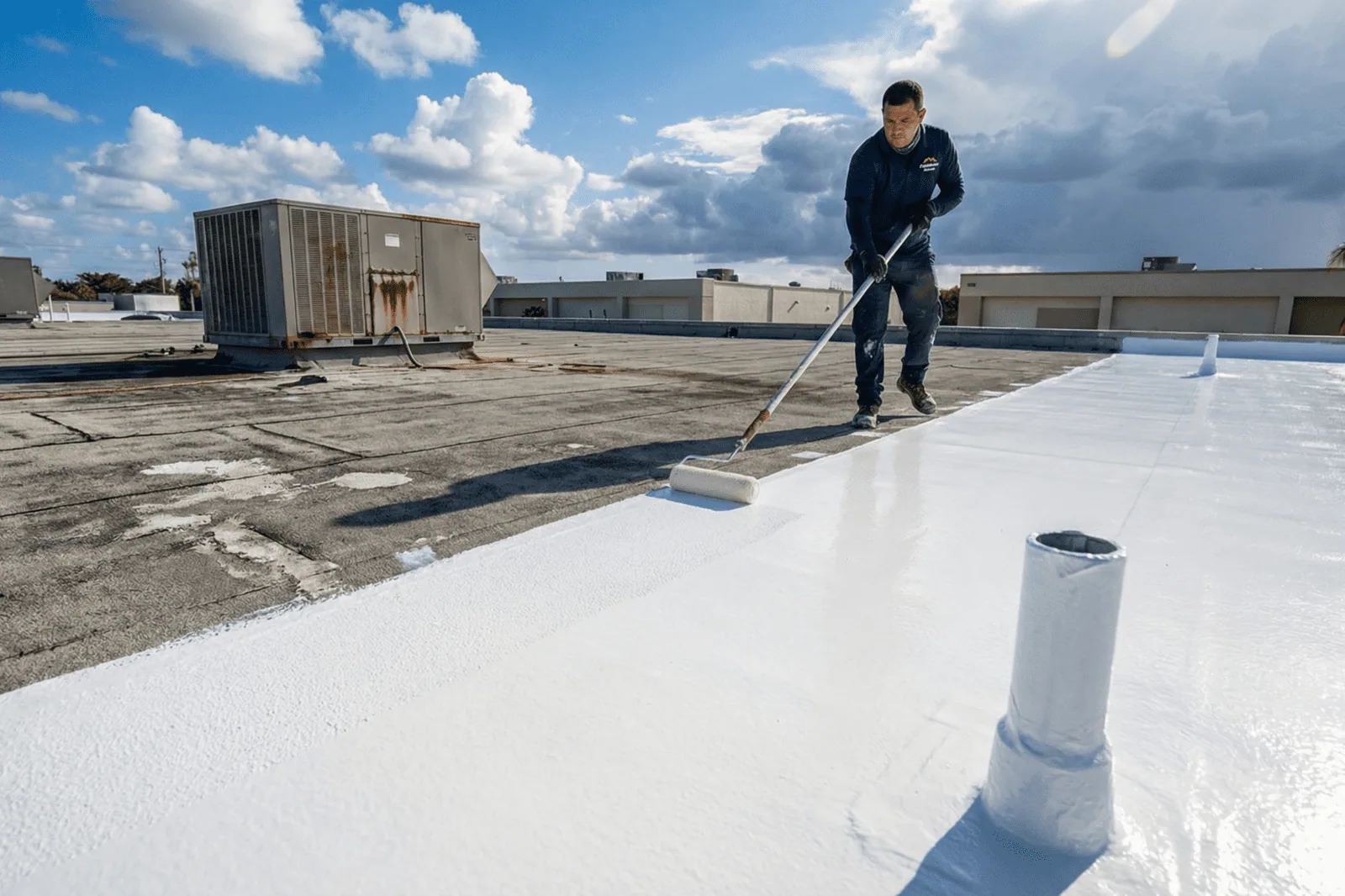
A coating is an option only when the substrate is sound, dry enough for the product and properly prepared. It does not correct saturated insulation, loose edge metal or active movement beneath the surface. Silicone and acrylic coating systems differ in water exposure, application conditions and maintenance. Spray polyurethane foam has its own substrate, thickness and protective-coating requirements. Cleveland County records frequent hot days and freezing nights, so surface temperature and a suitable application window belong in coating plans. Drainage and bond preparation still determine whether restoration can proceed.
What should the assembly review settle?
We document the existing system, roof slope and drainage, perimeter attachment, penetrations and visible surface condition. If moisture may be concealed, a hands-on inspection or infrared survey can identify areas for selective exposure. A roof inspection maps repair areas and the layers that must remain or come off. For institutional or industrial buildings near Highway 9, the assembly review starts with verified deck, drainage, penetration and attachment conditions; those details govern compatible flashing and layer transitions. We mark each flashing transition and identify the receiving surface for a proposed layer before work proceeds.
How will the next trade meet the roof?
Curbs, drains, skylights, parapets and edges belong to the roof system. Its material affects how each connection is flashed and inspected. We coordinate openings with mechanical, electrical and structural work so protection, attachment and closure follow one sequence. Emergency response is available any hour, holidays included; permanent repair follows once the receiving material and damage are clear. A written condition record helps an owner compare a local correction with coating, recover or replacement.
[quotcoll orderby=”random” limit=1]