
Roofing Capabilities
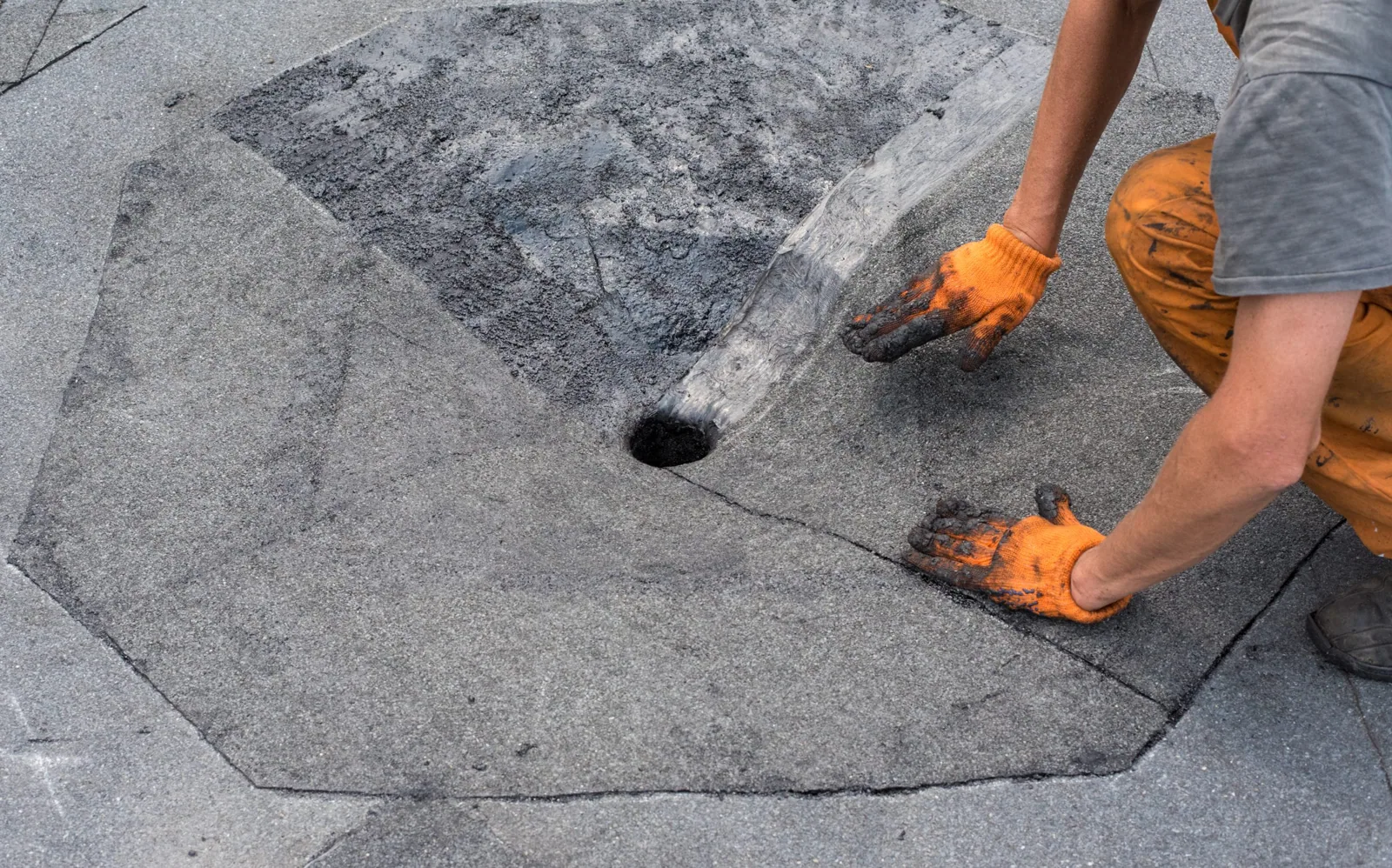
A deteriorated drain bowl can require piping work beneath the same opening needed for roof renewal. The receiving inlet and connection below it must be assessed before new covering closes that access. We provide roof capital planning in Norman, OK, by connecting the assembly decision to the component tasks that determine its construction sequence. The replacement scope includes the receiving work needed to complete the junction rather than leaving another opening through new roofing for an unresolved drain task.
Downtown Norman has shops, restaurants and studios within its historic commercial setting. The State Highway 9 Technology Corridor contains employers and adjoining university activity in south Norman. At a requested property, we identify the actual roof and outlet before coordinating the renewal-period drain correction. The material findings establish the work boundary, while component access and the occupied operation determine the period needed to prepare and close that physical connection.
Which piping task needs completion while the bowl is exposed?
An outlet replacement can involve the receiving connection below the roof as well as its flashing above. We inspect accessible components and coordinate the piping question with the responsible trade. Its access and material tasks are identified before the assembly replacement is selected. Roofing preparation follows a suitable receiving inlet and the elevation needed for its approach profile.
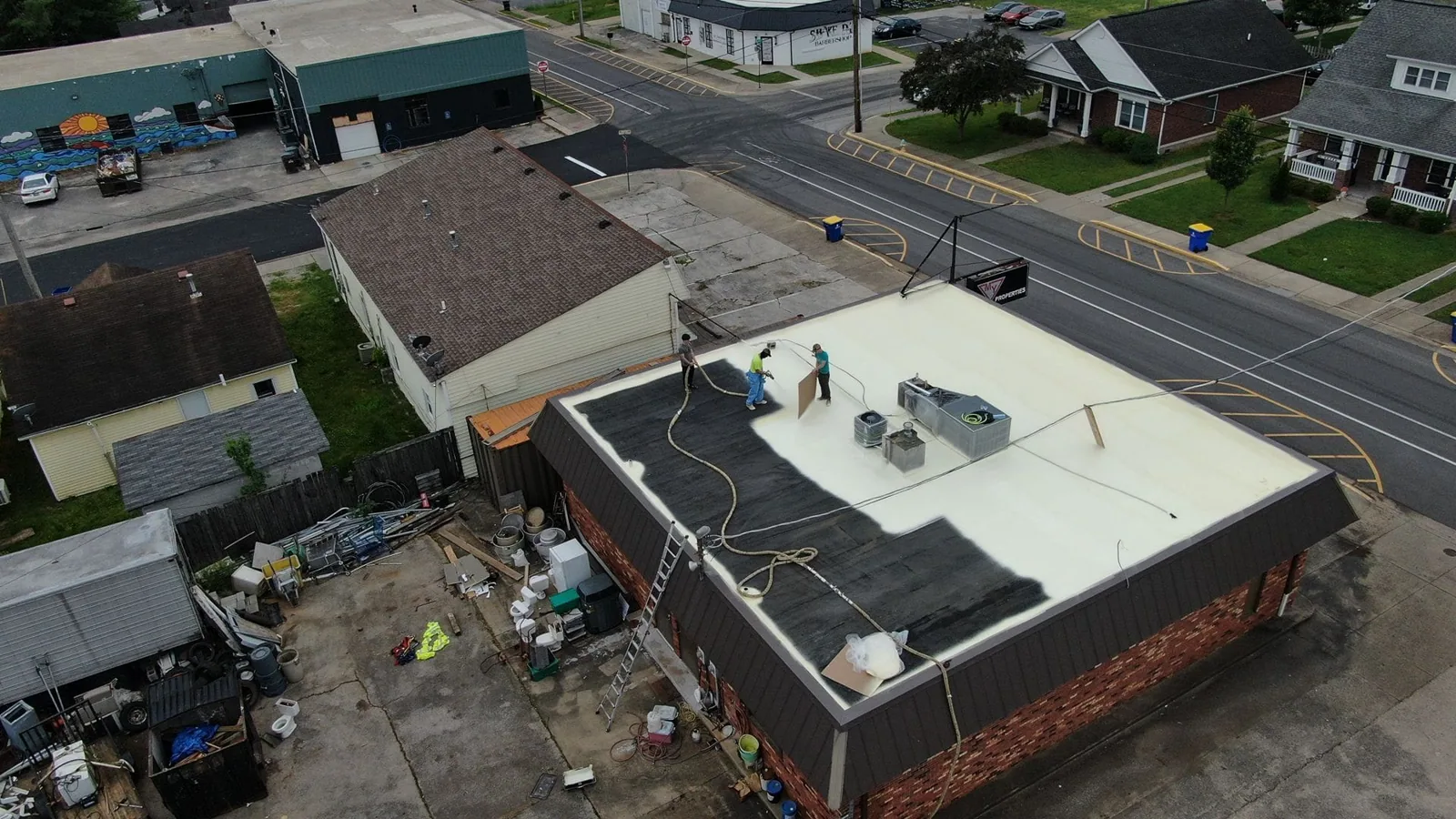
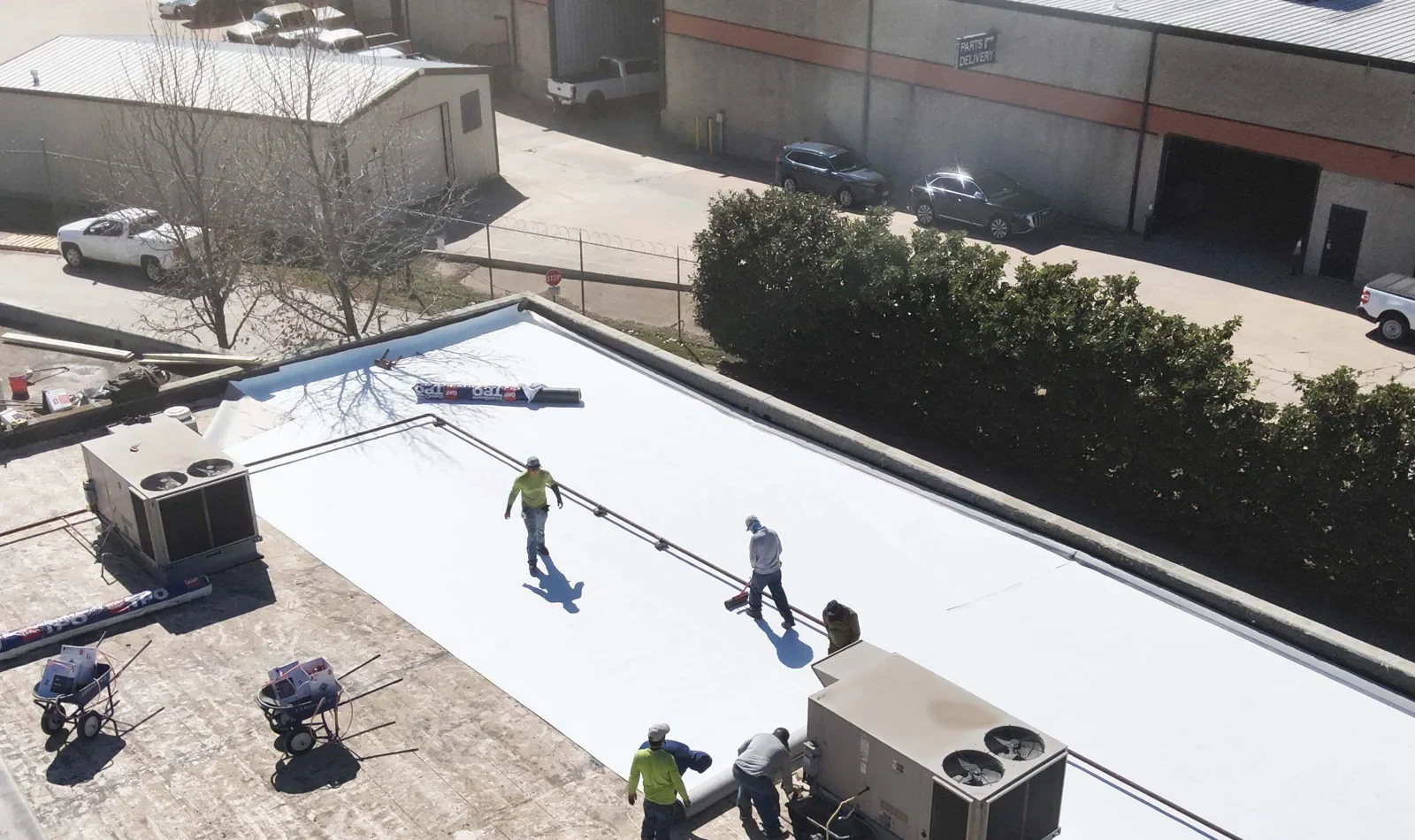
Capital roof replacement construction connects the component task to removal, layer placement and final covering. We identify the stage at which the inlet and its lower connection must be ready. Temporary handling accounts for water from adjoining roof sections during exposure. The roof-side joint is examined before its remaining component limits access. Permanent roofing then closes after the drainage task and prepared receiving base are suitable, allowing the renewal decision to account for the actual component work required beneath the new assembly.
What material finding separates retention from replacement?
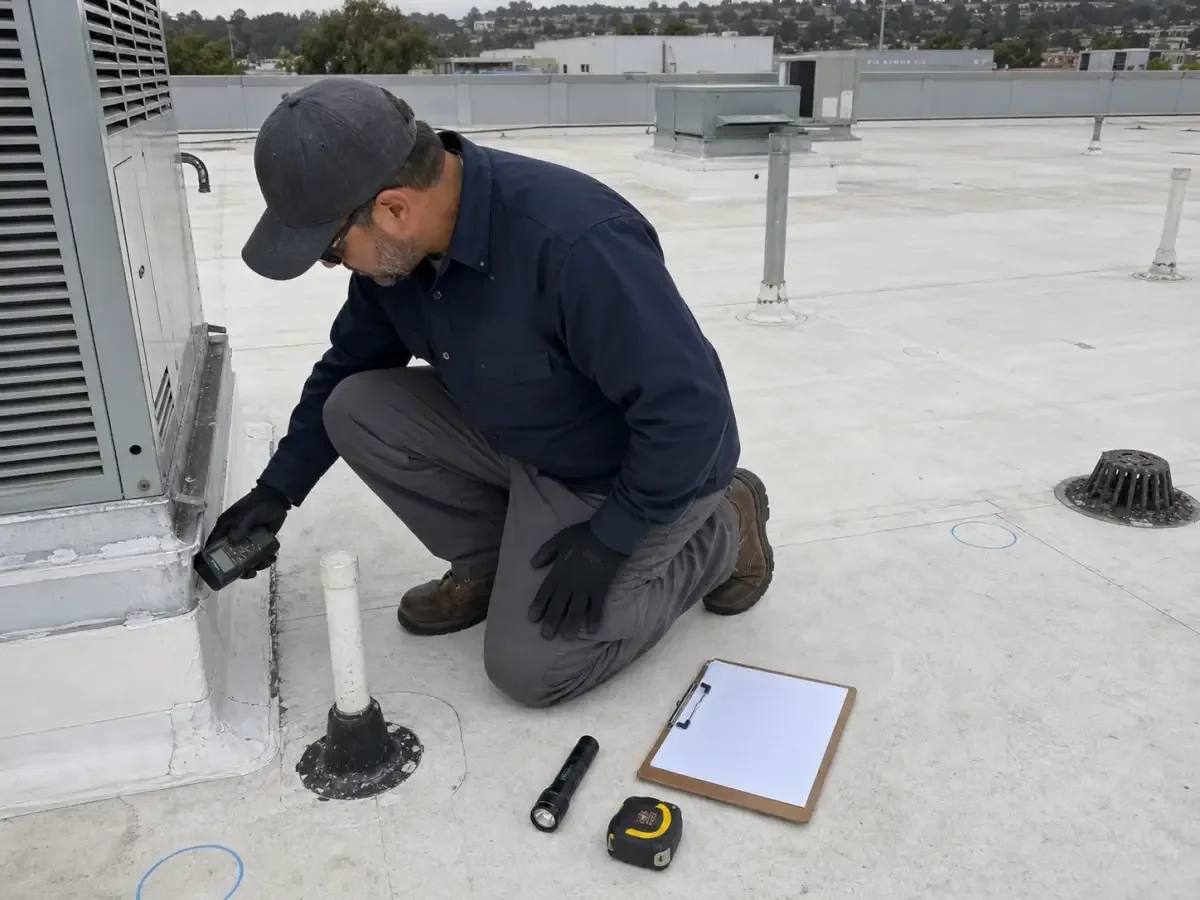
A surface correction can be defined while the concealed layers remain unsuitable or unresolved for a renewal decision. We identify the material condition relevant to retention and arrange exposure at the boundary where it changes the proposed task. Investigation establishes affected layers and suitable receiving material. Support concerns are referred to the responsible professional while the base remains available.
A roof investment condition survey connects those findings to the actual construction alternatives. We identify the preparation already defined and the further opening needed before scope selection. A recover task is assessed with suitable retained layers and component heights, while removal follows affected or unsuitable material. The property team can coordinate the investigation period and room access with the question understood. Renewal planning then proceeds from the receiving assembly assessed at the building rather than assigning retention or replacement solely from its visible surface.
Which adjoining correction changes the renewal scope?
A curb alteration, damaged wall base or low outlet approach can add receiving work beyond the field covering. We identify the component and the trade responsible for that task. Its access and inspection requirements influence the roofing sequence. The replacement scope connects those requirements to the new layers so the finished assembly can join suitable receiving details.
Roof asset condition decisions retain the located boundaries relevant to the next construction stage. For the actual project, removal extent, support correction, compatible preparation and detail reconstruction influence cost qualitatively. The material route and occupied release affect timing. We distinguish those physical tasks from a concealed question still requiring investigation, then identify the opening needed to settle its extent. The proposed work can be assessed through suitable receiving materials and the components required for closure, rather than a field-only task that leaves the drain, wall or curb correction outside the assembly decision.
Can the selected phase close without depending on an unfinished adjoining section?
A renewal phase needs a compatible tie-in and workable drainage through retained areas beside it. We examine the boundary, material condition and outlet approach before selecting the section to renew. An unsuitable receiving edge can require work beyond the proposed phase line. The task identifies that correction and the temporary protection needed while the interface is exposed.
A phased roof recover scope is considered with retained layers suitable for the new assembly. Added thickness can reduce flashing height or change component clearance, requiring adjustment before placement. We locate those tasks and the inspection stage at the phase connection. Material and boundary information is retained for the later section. The next phase can then join through an assessed receiving detail, preserving the water route and movement provisions rather than leaving an inaccessible junction beneath the new covering that still depends on another unplanned component correction.
Which release period allows the receiving tasks to finish together?
A roof opening needs time for preparation and component correction as well as covering placement. We locate the actual task and discuss its occupied-area and exterior access with the building contact. The working period includes the trade responsible for the receiving base. Material delivery and removal are arranged to support the closure stage at that section.
Renewal project trade coordination connects piping, wall or equipment release to roofing. A concealed finding that changes removal is reviewed with protection and the operation below before another section opens. Temporary water control serves the exposed boundary until receiving work is ready. The compatible joint is inspected before another finish or component hides its view. Construction advances through the area that can be suitably prepared and completed, linking the planned period to the physical interfaces that must close rather than opening a wider section while their required trade tasks remain unavailable.
How do the local building uses affect the next renewal stage?
Downtown Norman's commercial uses include shops, restaurants, galleries and artist studios. At a requested property there, the actual operation and roof access establish the release needed for investigation or replacement. We identify the layer and component task before exposure. The inspected material and receiving details determine construction scope and compatible preparation.
South Norman's State Highway 9 Technology Corridor includes Hitachi among employers and adjoins university facilities. A requested building in that broader area has its own equipment and material approach to assess. Cleveland County's climate normals include seasonal heat and freezing nights, considered with actual application and movement details. Located photographs preserve the phase boundary and corrected components for later work. A changed unit or outlet is coordinated before it disturbs those interfaces, keeping the next investment task connected to suitable receiving material and the inspection access needed for compatible roof closure.
Related Work

Commercial Roofing Questions
Can drain-bowl replacement need coordination below the roof during renewal?
Examine the accessible inlet and coordinate the lower piping connection with the responsible trade. We identify preparation and the stage at which the component must be ready. New roofing closes after suitable receiving work and inspection of the actual outlet junction.
How should unresolved layer condition affect selection of a renewal scope?
Identify the material question that changes retention and arrange investigation at the relevant boundary. We locate suitable layers and affected material requiring replacement. Component height and support concerns are assessed before the new assembly or recover task is selected.
Will a phase boundary need correction outside the roof section being renewed?
Assess the tie-in material and runoff route through adjoining retained areas. We identify receiving work required for compatible closure where the proposed phase line is unsuitable. The new section follows that corrected detail and inspection while the shared junction remains accessible.
What should be checked before another equipment task changes the planned replacement period?
Locate its receiving component and the roof interface required for preparation. We coordinate the trade release and relevant support assessment before the opening begins. The renewal period then accounts for the actual component and roofing stages needed to complete the connection.
Connect the renewal scope to the drain receiving task
Provide the Norman property, outlet or assembly condition, proposed renewal section and component schedule. We will assess the material boundary and identify investigation, trade work and inspection required for compatible closure.
Request a Roof Assessment