Industries We Serve
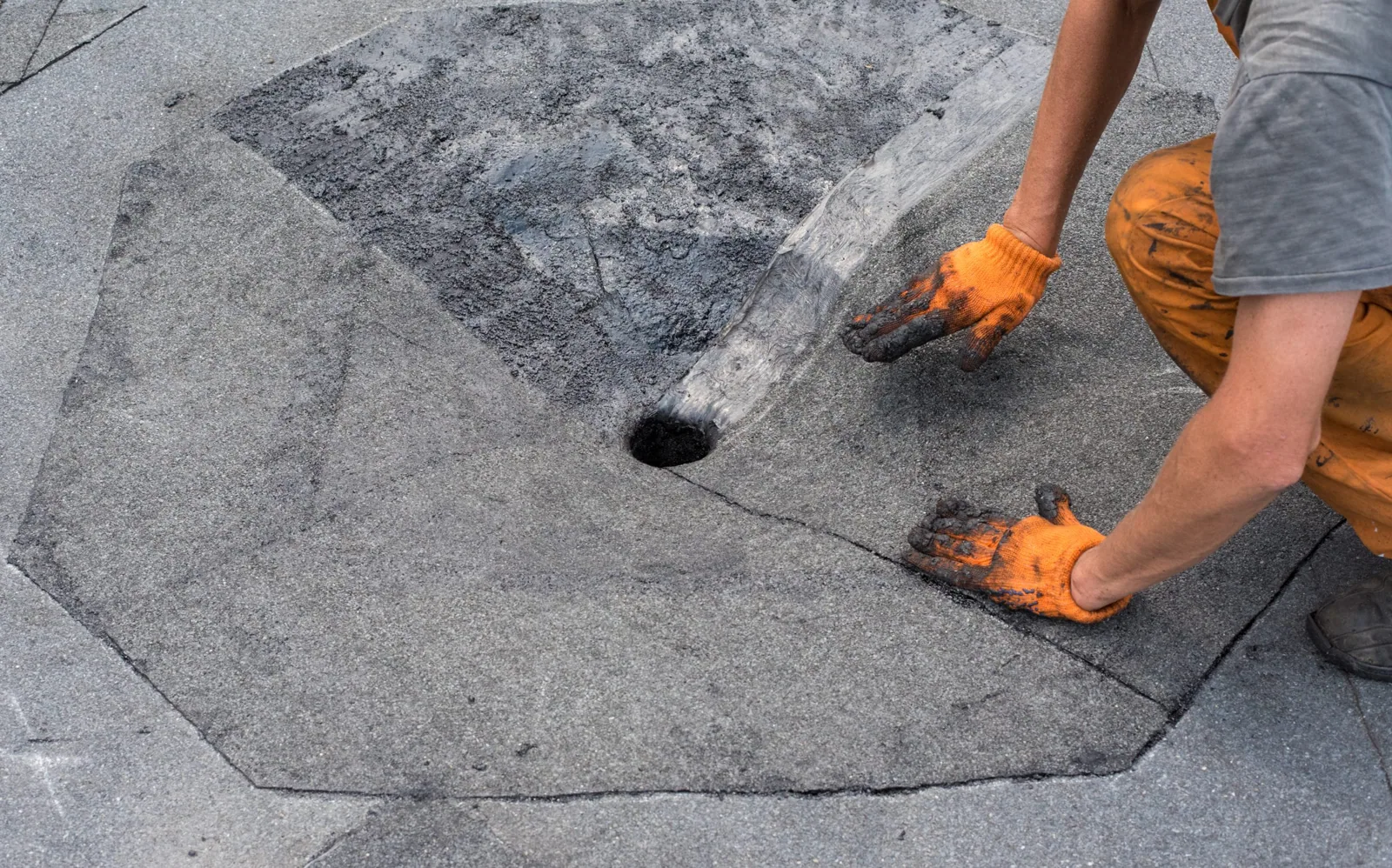
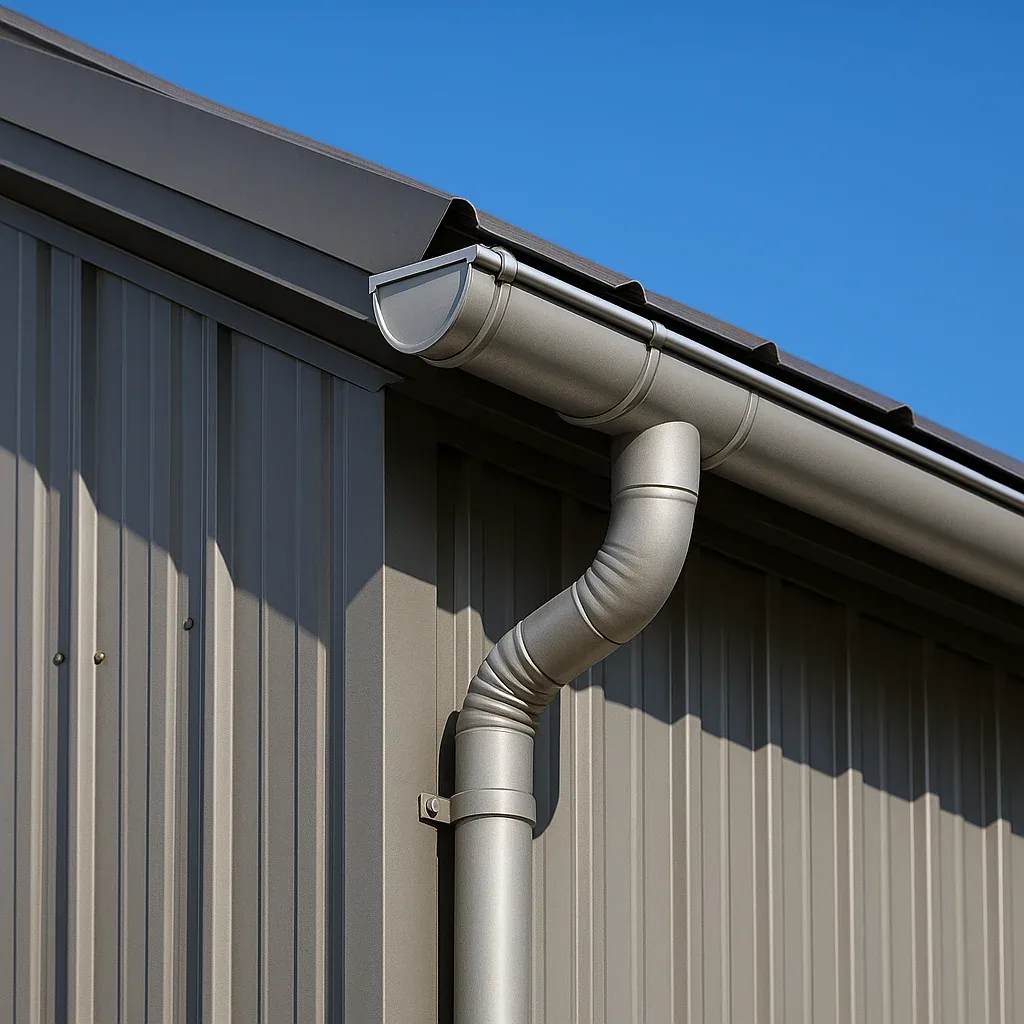
A new wall finish can partly conceal an overflow scupper and change the opening available above the roof. The wall task and receiving outlet need assessment before the adjoining membrane closes over that altered junction. We work with public agencies in Norman, OK, by following the discharge connection through its wall and roof-side components. The correction coordinates usable opening and compatible flashing before the receiving detail becomes inaccessible beneath another finish.
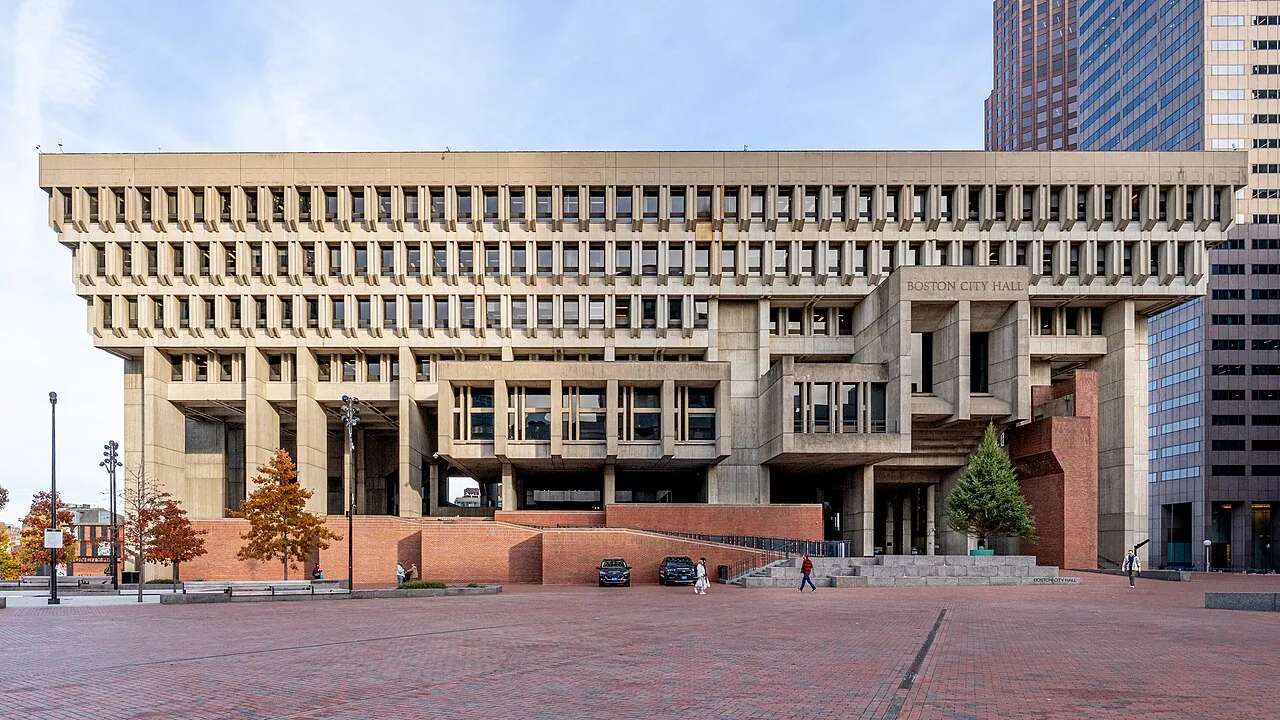
Norman's public building inventory includes schools and libraries, with governmental agencies among the city's economic activities. Porter Avenue has institutional uses alongside commercial properties and adjoining neighborhoods. For a requested agency building, we locate the actual overflow and assembly before correcting the public roof discharge connection. The project team can then coordinate the wall trade, design assessment and operating release required to complete the junction through the components actually affected.
Does the wall alteration leave the intended overflow route available?
A wall finish, trim or added layer can obstruct the opening serving an overflow path. We inspect the accessible component and identify the alteration at the receiving junction. The responsible design professional assesses drainage requirements and any change needed to restore the intended arrangement. Roofing repair follows a component that is suitable for that function rather than leaving reduced clearance beneath new flashing.
Public building outlet and edge metal work includes the wall-side receiving task and compatible roof connection. We identify the exposure needed to reach the upper and lower overlaps and coordinate removal with the responsible trade. Temporary water handling is arranged while the component remains open. The corrected inlet and discharge route are examined before another finish closes access. The roof-side profile is also assessed so replacement layers do not form a raised lip across the intended approach to the opening. Permanent roofing follows that receiving work, restoring the physical interface while the design and wall requirements relevant to the overflow have been addressed.
Which public service area is affected by the construction position?
A roof-edge task can require lifting or protection beside a public entrance. We identify the actual work area and discuss the affected route with the building contact before removal. The plan includes material staging and receiving-component access, with the exposure period matched to preparation and closure. An interior investigation also identifies the room beneath its actual roof location.
Government building roof construction and public school roofing can involve different operating arrangements. The requested agency property establishes its own release and protection requirements. We coordinate the component task before the roof junction closes, then reassess exposure if concealed findings change removal. The next section proceeds after its receiving base and affected operation can support completion. Building access is therefore connected to the actual construction boundary and trade sequence rather than left as a general task separate from the opened roof.
Which material finding defines repair and which requires investigation?
An accessible scupper overlap may establish a detail correction without settling the layers below the adjoining field. We identify that surface task and the concealed question relevant to retention. Investigation locates affected material and a suitable replacement boundary. A support or structural concern is coordinated with the responsible professional while its base remains exposed.
An agency roof condition inspection connects the visible finding to the receiving work ready for construction. We identify the further opening needed to select retained or replacement layers where that question affects scope. New thickness is assessed against usable wall and outlet relationships before placement. The daily opening includes the receiving tasks and temporary protection relevant to those findings. Roofing closes after suitable support and materials are established, with inspection completed before another component or finish conceals the junction that required assessment.
What must the wall and roof trades complete before the finish returns?
A receiving component can require correction on both sides of the wall opening. We identify which task establishes the base for roofing and which overlap must remain accessible for inspection. The wall trade coordinates its removal and replacement while roof preparation proceeds at the suitable boundary. A shared junction closes after both receiving tasks are ready.
Agency project trade coordination connects those stages, while district roof construction work can address another public building operation. The actual component and assembly determine this sequence. We identify temporary protection and the inspection point before cladding or trim hides the connection. Equipment or service routes affected by the work are established with the building contact. The new finish then returns after the roof-side material and wall component are completed, avoiding a newly enclosed junction whose receiving base still needs exposure for an unfinished trade task.
How does the local public inventory inform the receiving plan?
Schools and libraries are part of Norman's documented public building uses. At a requested property with those functions, the actual room and service route affected by roofing establish operating coordination. We locate the connection and material question before opening. The component condition and layers determine the construction boundary, while the agency team arranges the relevant access period.
The Porter Avenue institutional corridor connects Downtown Norman with other commercial districts and neighboring residential areas. A requested public building there has its own lifting and delivery approach to establish. We coordinate that route with replacement components and roof materials needed during the work period. The inspected overflow, wall termination and support interfaces determine the task. The broader local setting informs project-contact and access discussions, allowing the construction approach to support the receiving correction rather than prescribe removal before the roof assembly is assessed.
What should be reviewed before a later wall finish changes the outlet again?
A replacement finish can affect the completed overflow opening and its accessible roof connection. We identify the repaired detail and coordinate examination of the proposed alteration before placement. The responsible design professional assesses a change to the discharge arrangement. Roofing preparation follows the receiving component and compatible boundary established for that task.
Cleveland County's normals include hot days, freezing nights and seasonal snowfall. At the requested agency roof, those conditions are considered with movement and exposed outlet details in the installed assembly. Located photographs and material identification preserve the finished junction for later work. A new wall or equipment task is coordinated before it conceals preparation access or disturbs the roof boundary. The agency can then arrange its public-service release with the physical component task understood, maintaining inspection and receiving correction as part of the next construction sequence.
Related Work

Commercial Roofing Questions
Can wall cladding interfere with the opening of a roof overflow scupper?
Inspect the accessible inlet and discharge junction before roofing closes around the altered component. The responsible design professional assesses the intended overflow arrangement. We coordinate wall and compatible flashing tasks after the receiving opening and suitable material boundary are ready.
How should public entrance access be arranged for an exterior outlet repair?
Locate the work position, lifting route and protection requirements with the building contact before removal. We identify component preparation and closure stages for that opening. The affected service route and work period are coordinated with the actual receiving task.
Will an observed outlet defect settle the condition of the surrounding insulation?
Separate the accessible detail finding from the concealed layer question relevant to retention. We identify investigation needed to locate a suitable replacement boundary. The receiving support, new profile and adjoining component heights are then assessed before permanent roofing is selected.
What should be examined before replacement trim closes the repaired wall opening?
Check the receiving component, usable discharge opening and accessible roof-side overlap at the designated stage. We coordinate the responsible design and wall tasks where required. The new finish returns after compatible preparation and relevant inspection of the shared junction.
Resolve the public roof overflow and wall-finish connection
Provide the Norman agency building, affected outlet or wall alteration, assembly and service-release period. We will examine the receiving junction and coordinate the component and roofing tasks needed before closure.
Request a Roof Assessment