Roofing Manufacturers
A coping drip positioned inside the wall's membrane termination can direct water behind a roof flashing that remains intact on its exposed face. The metal profile and the termination need examination together before more sealant is placed along the visible joint. We assess Holcim Elevate commercial roofing in Norman, OK, by tracing that discharge to the receiving wall and sheet connection. Correcting the metal arrangement may need to precede the membrane repair.
Holcim Elevate, formerly Firestone Building Products, provides commercial roofing systems including single-ply membranes. The installed material and assembly requirements establish suitable joining and flashing methods. We examine the actual roof, earlier repairs and adjoining wall detail through a Holcim Elevate roof connection inspection. Water delivered behind the termination can affect concealed materials, so the task follows the entire junction rather than stopping at a surface crack in the exposed metal or covering.
Where should water leave the metal before it reaches the termination?
A coping joint, return or drip can create a path into the wall-side roofing detail. We inspect the metal shape, joint condition and attachment, then follow the connection beneath it where access is necessary. The exposed roof flashing may be serviceable while an upper junction remains open. The repair boundary needs to include the detail that delivers water to the affected interface.
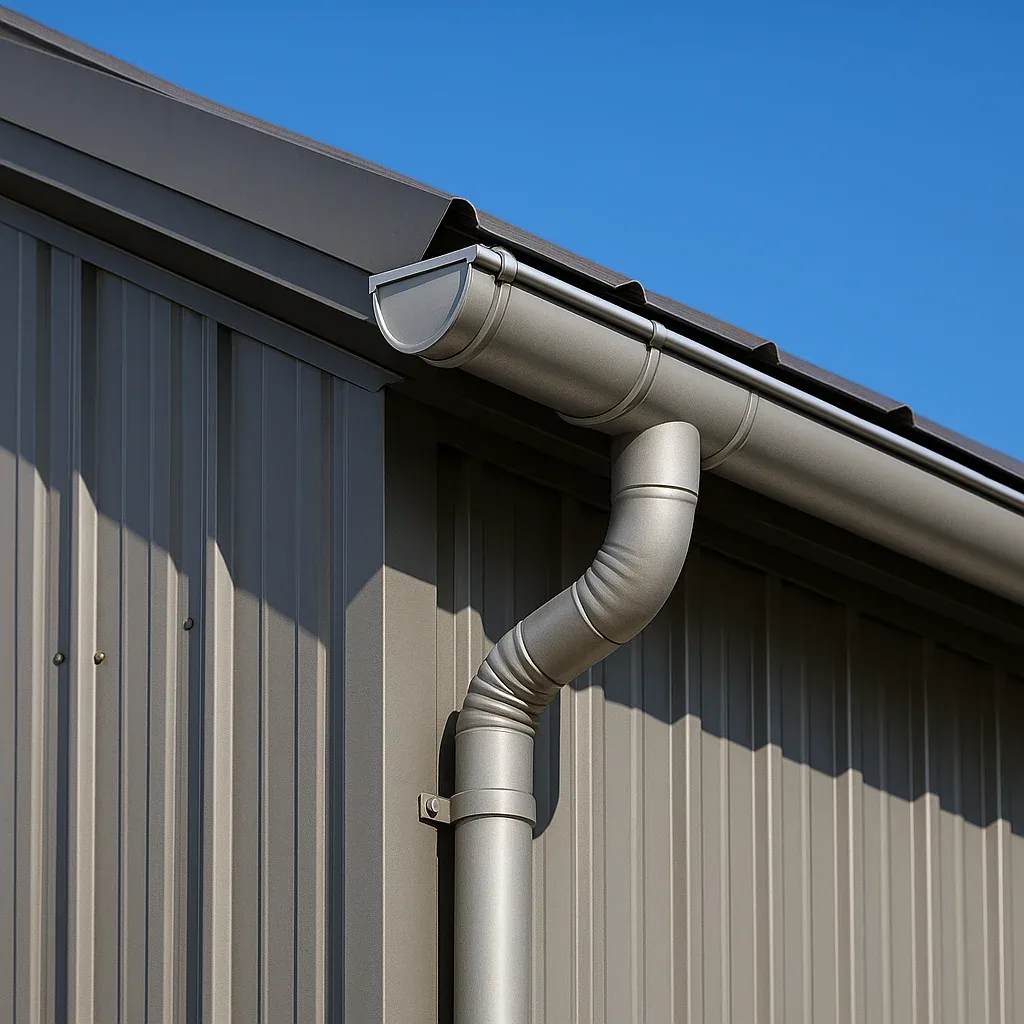
Coping and perimeter metal correction establishes suitable discharge and attachment before the membrane closure is selected. Where replacement metal needs a revised profile or supporting base, those tasks are coordinated before installing the roof termination. The detail also accommodates the movement expected between metal and adjoining construction. A rigid surface smear across a moving joint can reopen while leaving the underlying water route unchanged. We identify the receiving faces and connection order so each material performs its part without depending on an unsuitable seal between separate components.
What lies behind the visible flashing edge?
A loose termination or unsuitable wall face can leave the membrane unable to maintain its intended connection. We examine fastening, the supporting material and the flashing arrangement at the actual defect. Access may require coordinated removal of metal or another finish. The exposed base then establishes the repair depth rather than using the size of the visible opening as the entire work limit.
Damaged or wet adjoining material needs attention before roofing reconnects to that surface. We identify the component task required and the usable membrane boundary available below it. Other thermoplastic flashing arrangements can be evaluated for a replacement project, but work on the installed Holcim Elevate assembly follows its actual materials and compatible details. The new termination proceeds after appropriate support, fastening and preparation are ready. Inspection remains available before replacement coping or equipment hides the receiving edge that required correction.
Which membrane connection belongs at the reconstructed detail?
A rubber sheet and a thermoplastic sheet use different joining processes. We identify the installed membrane before choosing repair products or preparing the receiving face. Existing coatings and adhesive residues can affect either material. The usable boundary includes enough suitable sheet for the selected connection, with attention to corners where the roof changes from a horizontal surface to a wall.
Thermoplastic work follows suitable welding preparation and completion checks. EPDM connections follow compatible surface preparation and joining materials for that assembly. Commercial rubber and thermoplastic system choices may enter an owner's broader renewal evaluation, while the current repair remains tied to the roof in place. The adjoining metal task is coordinated with membrane installation so its final placement does not cut, trap or conceal an unfinished flashing connection. A correct material choice still needs a workable component sequence and a suitable base at the detail.
How far does the affected assembly extend from the wall?
Water entering behind a termination can move into insulation beyond the visible flashing. We examine the concealed condition relevant to retention using suitable investigation and openings. The location of affected layers determines the removal question, while the deck and adjacent support determine what can receive replacement material. New roofing should not close an unfinished base correction simply because the exposed wall edge now appears dry.
Moisture assessment beside the perimeter junction can help locate investigation under appropriate conditions. Material checks connect the findings to the installed layers before replacement extent is selected. A broader renewal also considers roof height and its effect on wall flashing, equipment clearance and outlets. We distinguish usable retained construction from layers requiring removal, then coordinate the daily opening and weather protection. The permanent assembly closes after unsuitable materials and the water-entry connection have been addressed through compatible receiving details.
How does the Norman setting change access to the perimeter?
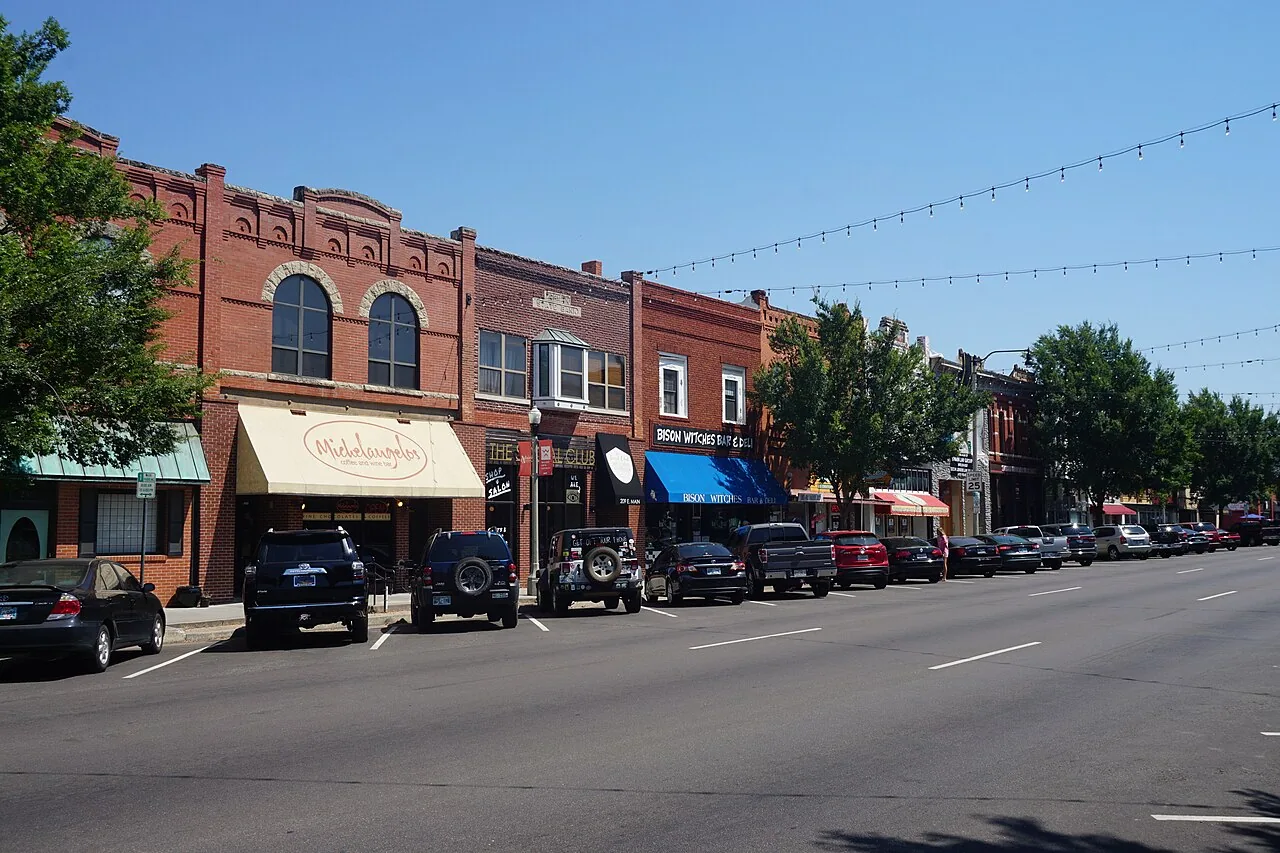
Historic architecture forms part of Downtown Norman's compact commercial setting. Gallery and studio activity accompanies its restaurant and shopping uses. For the requested building, access to a coping repair is assessed with the available material route, entrance below and adjoining wall face. We locate the removal area and establish the protection needed for the actual work. The building's installed detail determines the repair, while its operating arrangement affects how that detail is safely accessed.
Downtown Norman commercial perimeter work follows the requested building's geometry and occupied areas. Ed Noble Parkway also accommodates hotels and freestanding restaurants among its retail uses. A requested property in that corridor has its own delivery and equipment connections to coordinate. We establish where replacement metal can be handled and when the receiving termination is available for inspection. Those arrangements are linked to the specific opening and finishing stages so an operational release does not leave a required wall or membrane task incomplete beneath newly placed coping.
What should later inspection follow at the rebuilt junction?
A finished metal joint may move differently from the membrane termination beneath it. We examine the accessible interfaces, fastening and discharge after reconstruction, identifying any separate component item still required. The completed arrangement needs to preserve the membrane rather than using metal placement to restrain the sheet in an unsuitable position. Later service work must also avoid disturbing the flashing edge or adding contact that changes its movement.
Cleveland County's seasonal climate includes summer heat and freezing nights. These conditions support attention to installed movement joints and bond condition during assessment of the actual roof detail. Perimeter maintenance after Holcim Elevate roof repair addresses accessible debris, component movement and new defects using methods appropriate to the assembly. Where the metal or receiving material has changed, we inspect that new condition before assigning another seal or patch. The repair information identifies the completed membrane boundary and metal task so subsequent work can preserve the reconstructed discharge and termination relationship.
Related Work
Commercial Roofing Questions
Can intact roof flashing still need work because the coping directs water behind it?
Follow the discharge and upper component joints into the termination. We inspect the metal profile and receiving base before selecting the membrane correction. Rebuilding that relationship addresses the water route instead of relying on an additional surface seal at the visible flashing edge.
Should replacement coping be placed before the wall termination is examined?
Keep the receiving junction accessible until its support, fastening and membrane connection are ready. We coordinate metal placement with the required roofing inspection. Closing the coping first can conceal the exact edge that needs preparation or leave inadequate access for the compatible detail.
Does the former Firestone name identify every installed joining method?
Confirm the actual membrane and assembly at the building. Rubber and thermoplastic systems need different preparation and connection processes. We match the repair to those installed materials, including earlier alterations that may affect the available receiving surface.
What should be investigated when water has passed below a perimeter flashing?
Assess the adjoining layers and support at the affected area. Suitable moisture investigation and material openings establish what can remain and what needs replacement. The new roof detail then connects after both the concealed condition and the contributing component junction have been addressed.
Trace the Holcim Elevate perimeter discharge and termination
Tell us the Norman-area building, known membrane, coping or wall condition and the finish work planned nearby. We will examine the component sequence and receiving base before the permanent roof junction closes.
Request a Roof Assessment