
Roofing Manufacturers
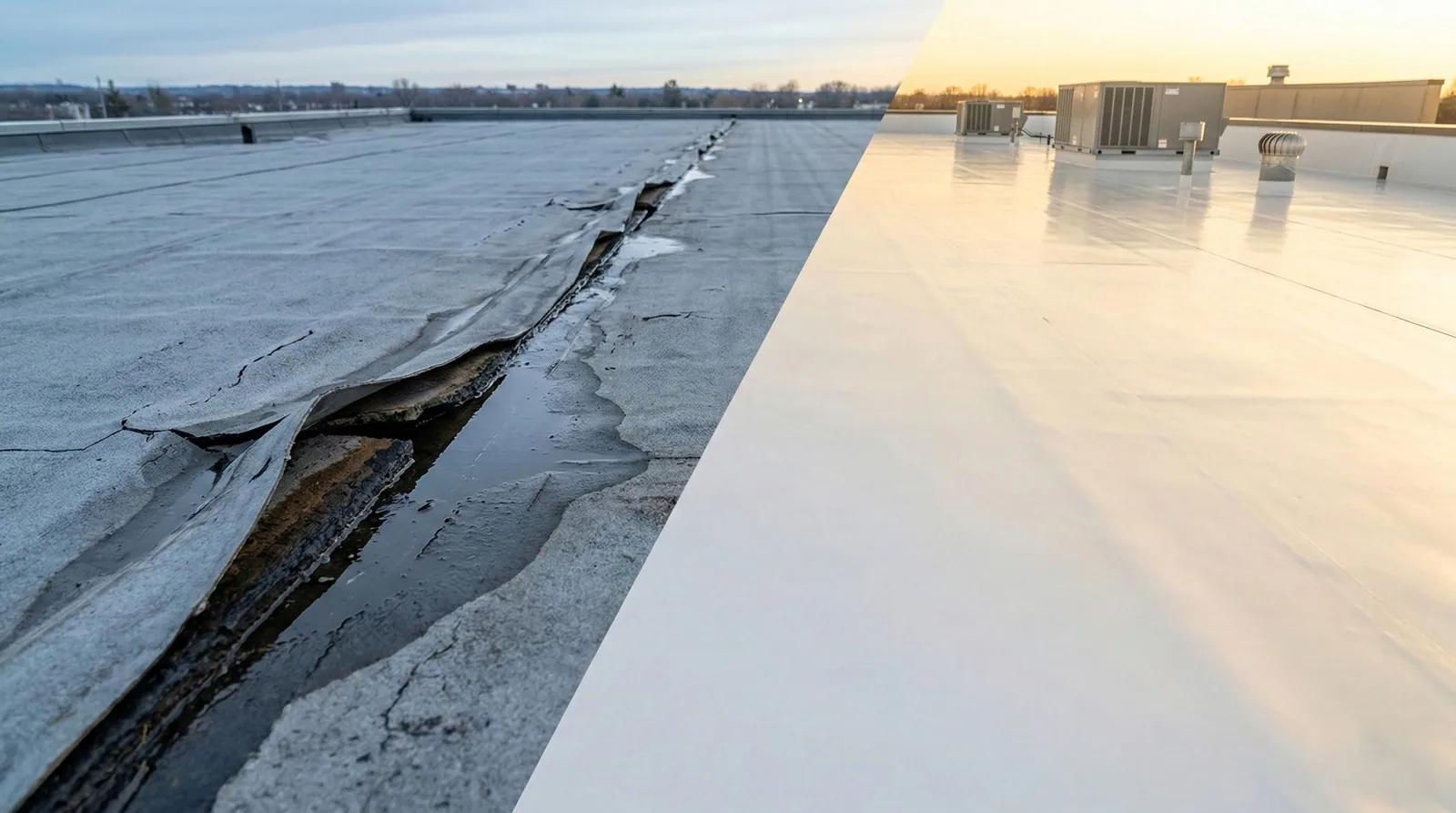
An old repair coating crossing an EPDM splice can leave the rubber beneath it difficult to prepare for a new connection. Cutting another patch to the same outline repeats the receiving problem if the unsuitable material remains at the joining edge. We examine Carlisle SynTec roofing in Norman, OK, by separating the earlier repair from the membrane and adjoining layers. The usable preparation boundary determines where compatible repair can begin.
Carlisle SynTec commercial systems include EPDM and thermoplastic membranes. Each installed assembly has its own joining, flashing and attachment requirements. We inspect the actual membrane family and the previous correction before repairing a Carlisle roof junction. A tape-based rubber splice requires different preparation from a heat-welded thermoplastic seam. The material identification matters because a treatment that appears to seal both surfaces may fail to reconnect either assembly properly at the damaged edge.
Where does the earlier correction stop affecting the receiving surface?
A broad smear of repair material can extend beyond the visible opening. We examine the adjoining sheet for residue, deterioration and usable overlap before setting a removal line. The correction needs adequate sound material for the selected connection, including at corners and changes in direction. Removing only the center of a failed patch may leave the same unsuitable edge beneath its replacement.
For an EPDM junction, compatible cleaning, preparation and splice materials follow the identified assembly and product requirements. The work proceeds with attention to contact across the intended joining area, not just the outer appearance of the patch. We examine pressure and support where the connection changes plane. Rubber membrane repair and renewal also needs inspection of adjoining flashings when their movement keeps reopening the seam. A sheet correction can remain stressed if a loose component continues to pull against the newly joined edge.
How does a thermoplastic seam change the preparation sequence?
A thermoplastic receiving sheet must accept the proposed welding process. Its age, surface condition and earlier treatments affect the preparation available. We assess that interface and perform the checks relevant to the installation rather than assigning welding settings from appearance alone. The repair joins after the receiving face is suitable and the application conditions are addressed.
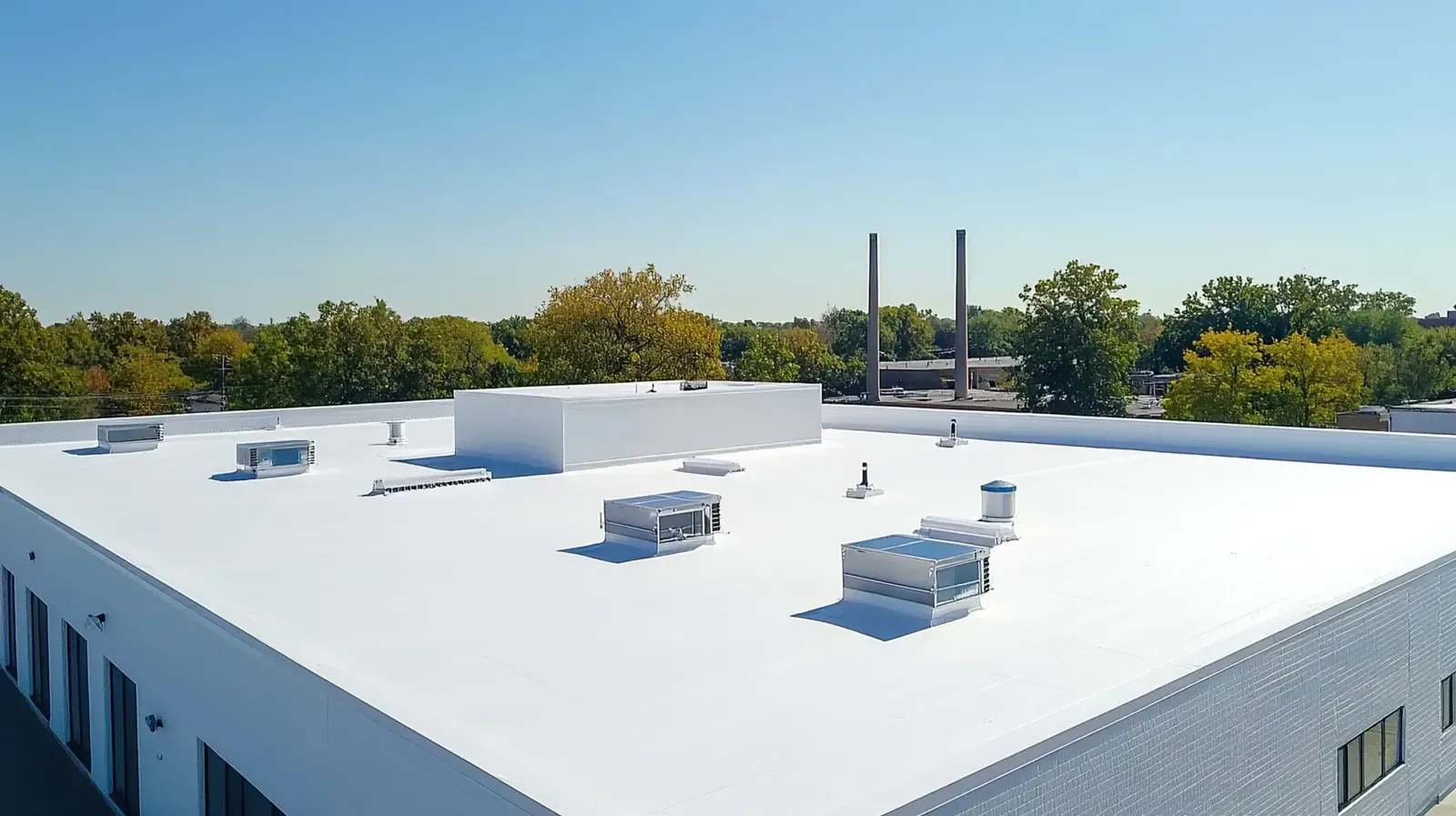
Carlisle's Sure-Weld line is TPO roofing. The specific installed assembly still needs identification when records and the roof differ or multiple coverings meet. Other single-ply system connections may be considered during replacement planning, while correction of the current roof follows its actual materials. We inspect the completed seam and any transition to a penetration or perimeter detail. A continuous field weld does not resolve a separate opening behind a flashing termination, so the receiving junction is followed through the adjoining component before the task is closed.
Which adjoining component keeps loading the splice?
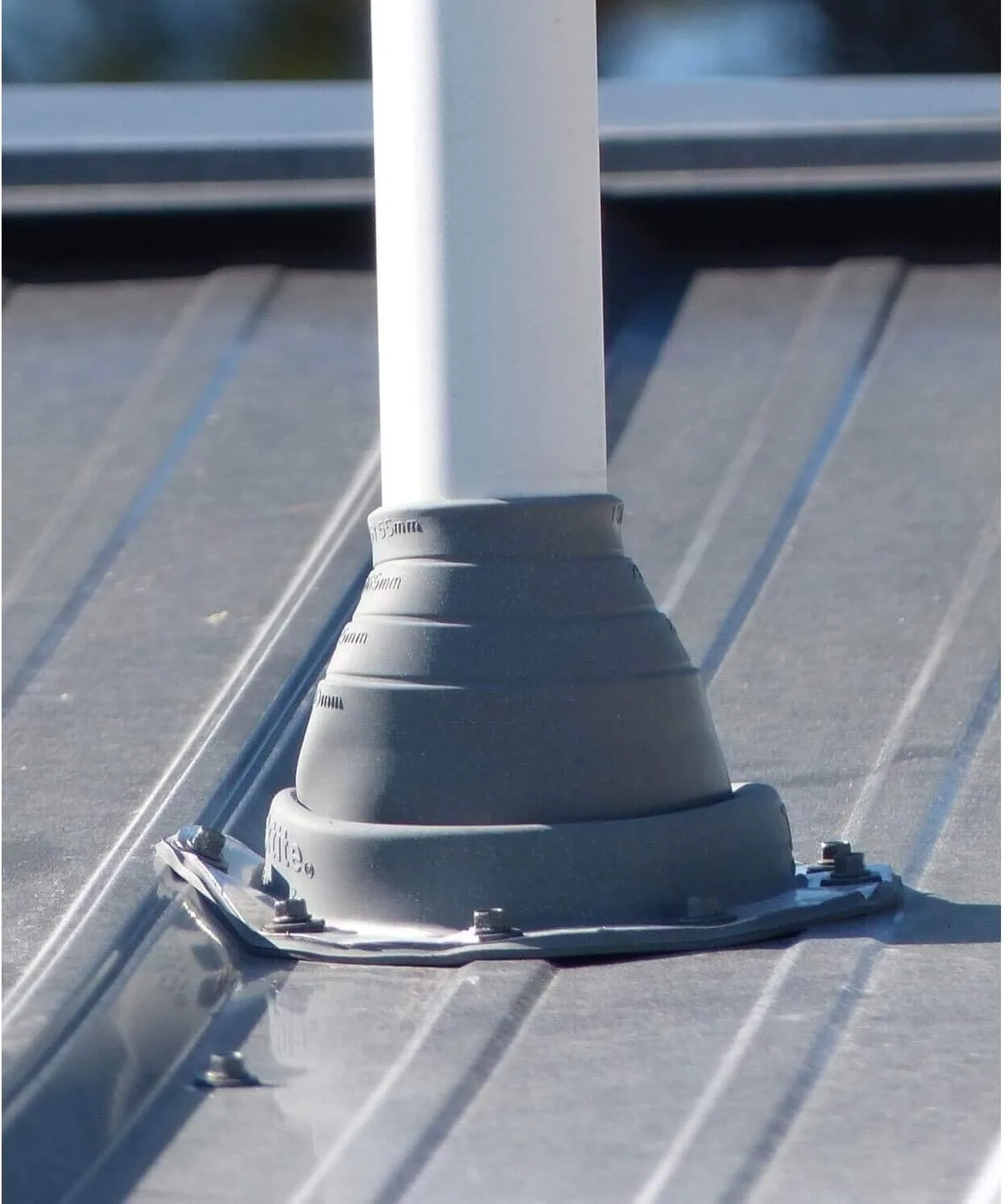
A pipe, curb or metal transition can move independently of the roof sheet. The membrane detail needs to accommodate that relationship without leaving the repair edge as the only flexible connection. We inspect component restraint, usable flashing height and the material at the change of plane. An unsuitable support or attachment arrangement is addressed before another strip of roofing is added over the visible split.
The responsible component trade handles its equipment or support correction where that task affects the roofing connection. We establish the access needed to prepare the receiving surface and inspect the completed detail. Penetration flashing reconstruction follows the actual component geometry, with compatible materials selected for the installed sheet. Temporary weather protection serves the exposed junction while required preparation remains unfinished. The permanent connection proceeds after its base, component and joining area are ready to receive the membrane detail.
What changes at an industrial property or commercial street frontage?
Goldsby's industrial and flex properties accommodate office, production and staging functions. A requested building there may need its roof work separated from a material-handling route or component service operation. We locate the splice or damaged attachment area and assess the access needed for correction. The operation affects placement and protection while the installed assembly determines the repair materials.
Roof work at Goldsby's industrial and flex properties starts with the actual construction boundary. In Norman, the Lindsey Street District includes restaurants, auto service businesses, salons and fitness studios. A requested commercial property there has its own entrance and equipment arrangement to coordinate. We identify the opening, preparation area and replacement material route before exposing the layers. The daily construction limit is matched to the work that can receive suitable closure, including separate trade tasks that must finish before the membrane connection becomes inaccessible.
Can sound membrane remain beside affected insulation?
Water below a membrane can extend beyond its visible tear or failed splice. Retaining the outer sheet without examining the lower assembly can preserve wet or unstable layers under a new connection. We use suitable investigation methods to locate the concealed question, then assess material condition where exposure is needed. The resulting boundary includes both usable roofing and a base capable of receiving the proposed correction.
A moisture survey supporting repair limits can assist that investigation under appropriate conditions. The findings need connection to the installed construction and material checks before removal extent is selected. A recover assessment also considers assembly height, drainage transitions and structural requirements for retained layers. Alternative commercial roof systems become relevant when renewal requires a new covering, but the comparison follows the usable support and project conditions. A brand change alone does not remove the wet insulation or unstable receiving board.
What information helps preserve the finished splice during later work?
A service technician needs to know where a repaired seam or flashing crosses the intended access path. We identify completed connections and the component contact that needs protection during subsequent work. A walkway must remain suitable for the installed membrane and drainage arrangement. Placing loose material across an outlet or directly over an unfinished junction can create a separate defect after the initial repair is complete.
Cleveland County's climate normals describe periods of heat as well as freezing nights. We consider those seasonal conditions with movement observed at the installed component and sheet connection. Later assessment focuses on bond condition, service abrasion and accessible drainage rather than treating every weather change as a reason for additional surface material. Where another correction is required, the repair again follows suitable preparation and compatible joining. The completed splice, the retained assembly and any separate equipment task are identified so that future work does not disturb a junction without addressing its receiving conditions.
Related Work

Commercial Roofing Questions
Can a new EPDM patch extend over residue from an earlier repair?
Assess the residue and rubber receiving area before choosing the patch boundary. We remove unsuitable material where necessary and follow compatible preparation for the selected splice. The new connection needs sound material across its joining area, including the corners and adjoining change of plane.
Does a Carlisle name establish how every seam should be joined?
Identify the installed membrane and assembly first. EPDM and thermoplastic systems use different connection methods, and earlier alterations can affect either receiving surface. We select preparation and joining from those actual conditions rather than the manufacturer's name alone.
How should recurring movement beside a pipe be addressed before patching?
Trace the component support and flashing relationship at the split. A loose or restrained component may keep stressing the membrane. We coordinate its correction with the responsible trade, then rebuild a compatible connection after usable support and preparation access are established.
Will replacing the membrane strip also resolve wet insulation beneath it?
Locate the affected underlying material and establish a usable replacement boundary. We assess the retained layers as well as the visible strip. New insulation and roofing are placed in the required sequence after unsuitable material is removed and the receiving base is ready.
Set the usable Carlisle repair boundary
Share the property location, membrane information, earlier repair material and the component beside the defect. We will examine the splice and supporting layers before selecting compatible preparation and closure.
Request a Roof Assessment