
Property Types We Roof
A roof tie-in restrained at the wall between an office section and a shop can pull apart as the adjoining assemblies move. The separation needs examination through the wall termination and the layers receiving the repair. We assess flex industrial roofing in Norman, OK, by following that shared connection before selecting a patch or replacement boundary. The wall and roofing tasks are coordinated so the new detail can accommodate the actual relationship between the building sections.
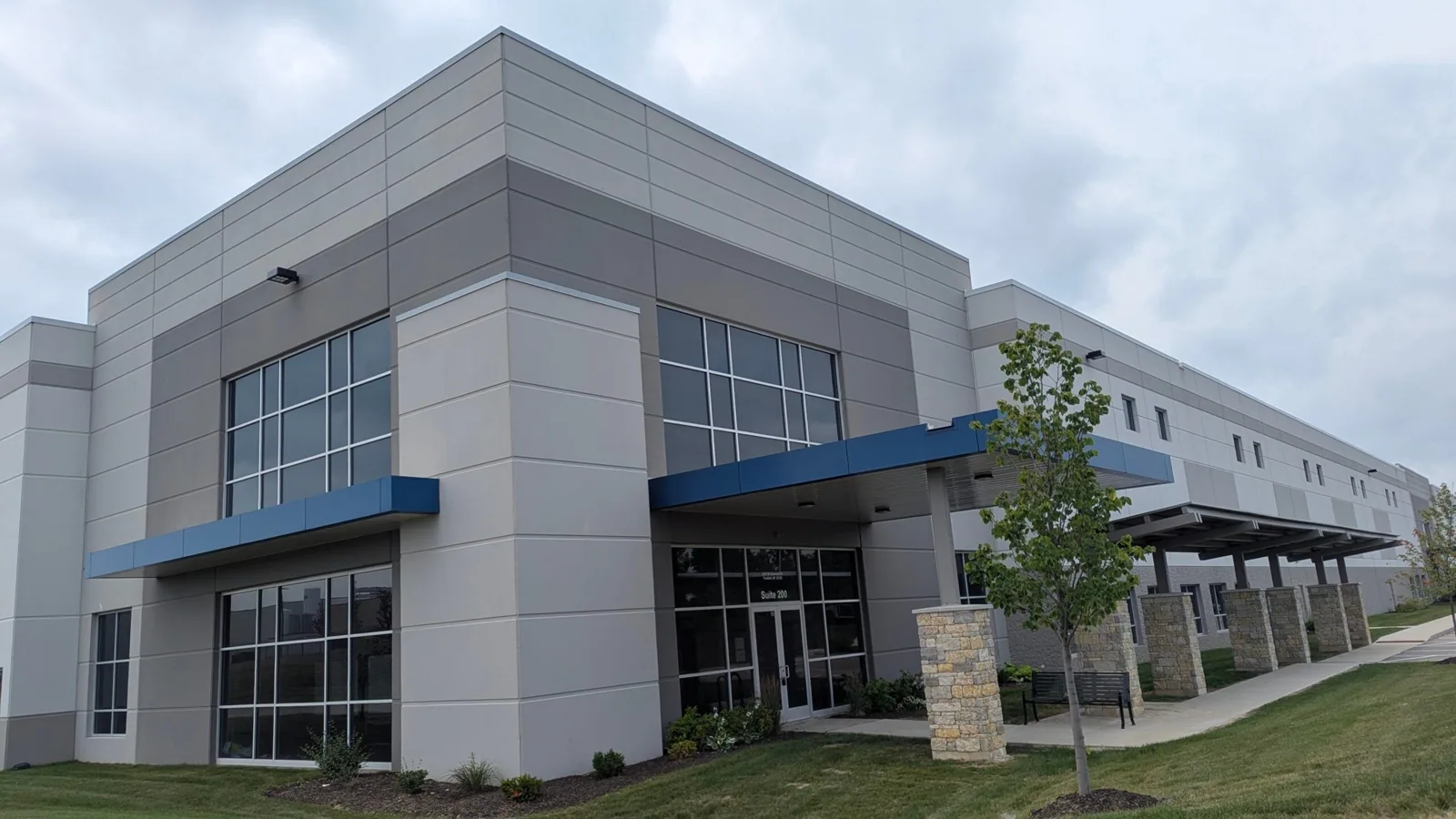
Industrial and flex properties in Goldsby's Interstate 35 area serve office, production and staging operations. Norman's economic activity includes manufacturing, while the State Highway 9 Technology Corridor has employers and adjoining university facilities. At a requested flex building, we locate the installed sections and operational access before repairing the office-shop roof junction. The material findings establish the receiving work, allowing the general contractor to coordinate the next component task before roofing closes that interface.
Which adjoining assembly is restraining the tie-in?
A wall-side repair may bridge a joint intended to accommodate separate movement. We examine accessible termination, attachment and earlier materials to identify the condition at that junction. An unsuitable receiving base can also contribute to separation. The scope identifies the required exposure and coordinates a wall or design task where the assembly relationship needs further assessment.
Flex building wall transition repairs follow the installed roof system and corrected receiving component. Compatible preparation is established before the new connection is selected. The temporary opening is protected while adjoining work remains unfinished, with the permanent closure stage identified for the project team. New roofing joins after the boundary and movement provisions are ready. Its accessible attachment and overlaps are examined before adjacent construction limits the view, so the repaired transition is completed through the actual materials rather than across an unresolved restrained edge.
How do office and production access differ beneath the work?
A layer opening over an office and one above a production route can require different interior arrangements. We locate the roof detail and discuss the affected area with the property contact before investigation. The construction plan includes receiving preparation, removed materials and the closure tasks appropriate to that opening. Its extent is reassessed if concealed findings change the work.
The component relationships can connect with manufacturing roof repair sequences and office assembly work. The requested flex building determines which operating area is actually affected. We identify the support, equipment or wall release needed to reach the junction and coordinate the responsible trade. Removal proceeds with those tasks and the receiving boundary accounted for. The project team can then arrange the relevant office or shop access around the physical construction stage, keeping another roof area closed until its own component and operating requirements are ready.
What changes when production equipment is added to retained roofing?
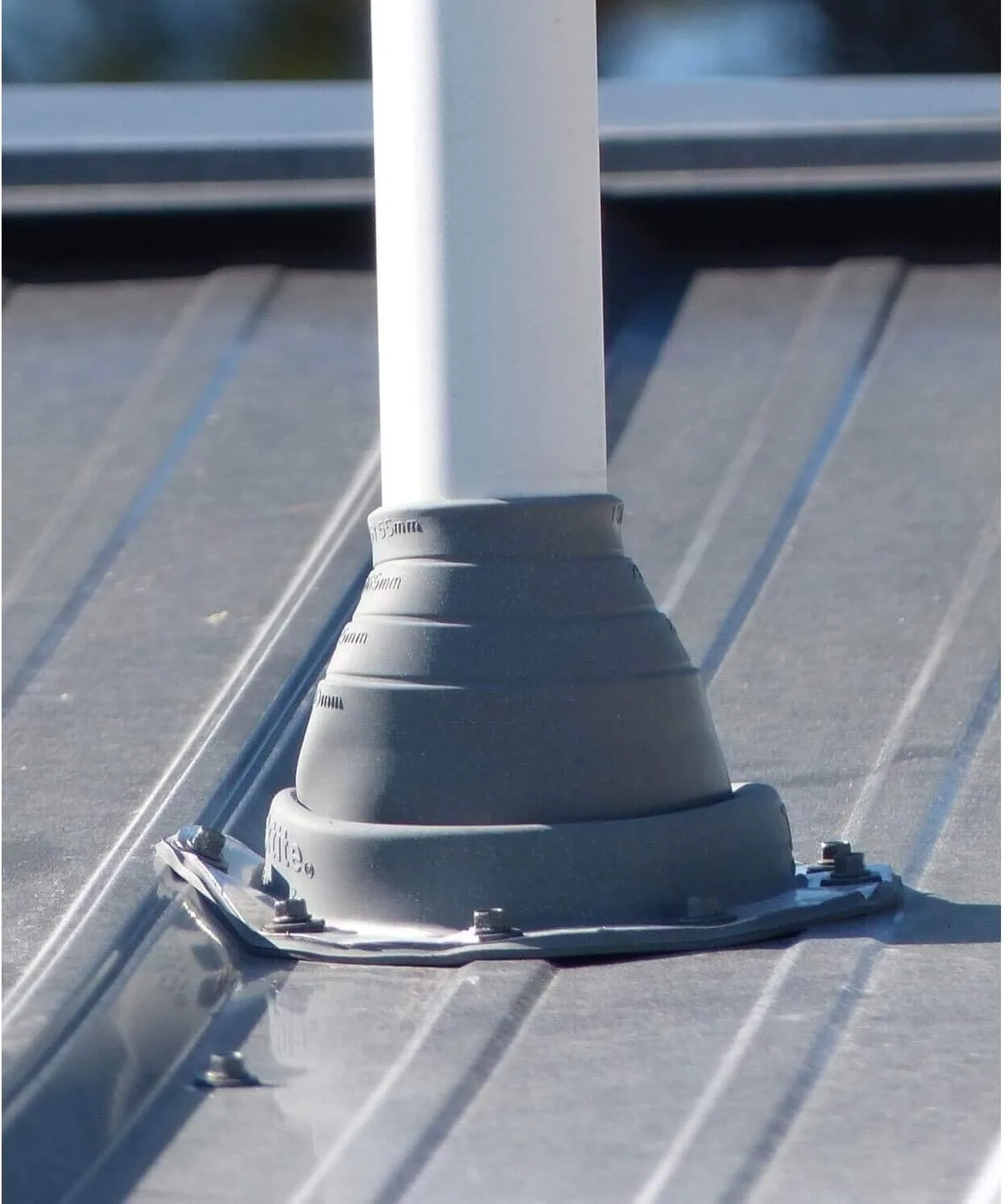
A new pipe or unit can introduce a penetration beside an existing roof joint. We inspect the retained sheet, layer condition and proposed receiving component before the opening is made. The equipment arrangement needs suitable support and clearance for compatible flashing. Any structural or loading concern is assessed by the responsible professional rather than assigned to the roof covering.
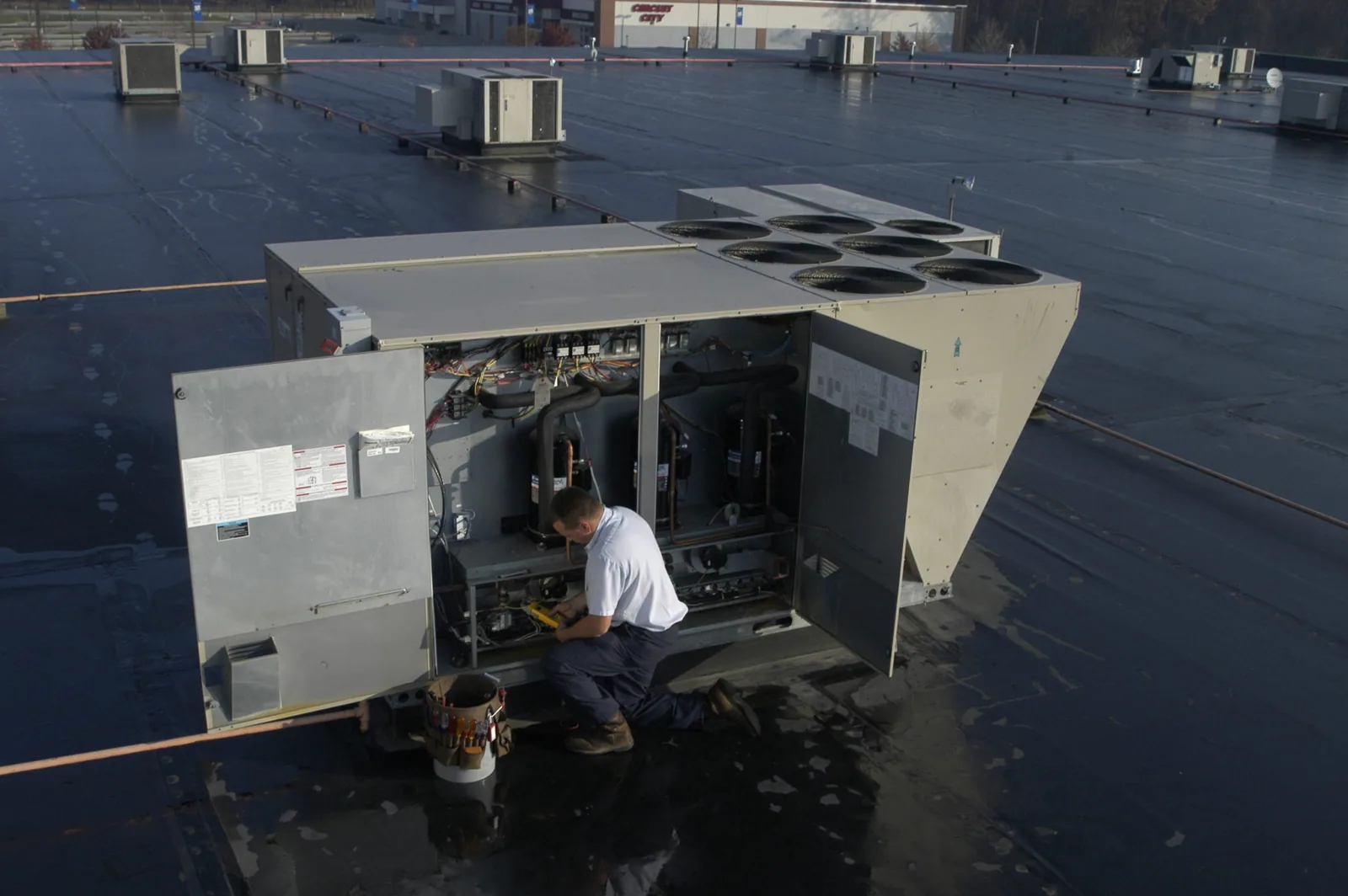
Flex building equipment curb work coordinates the component task with the installed assembly. The proposed curb and layers are considered together so usable termination height remains available. We identify the inspection stage before equipment placement obscures access, and temporary protection is arranged while the opening remains incomplete. Roofing closes after the receiving base and compatible detail are ready. Service routes and contact points are also assessed so the new equipment can be reached without disturbing the completed sheet or the adjoining movement junction.
Which retained covering can receive the replacement boundary?
A patchable surface does not settle the condition of insulation or support beneath the proposed tie-in. We investigate the materials relevant to retention and identify a suitable boundary for removal. A damaged receiving layer can extend the correction beyond the visible defect. Its replacement is considered with the roof profile and adjoining component elevations.
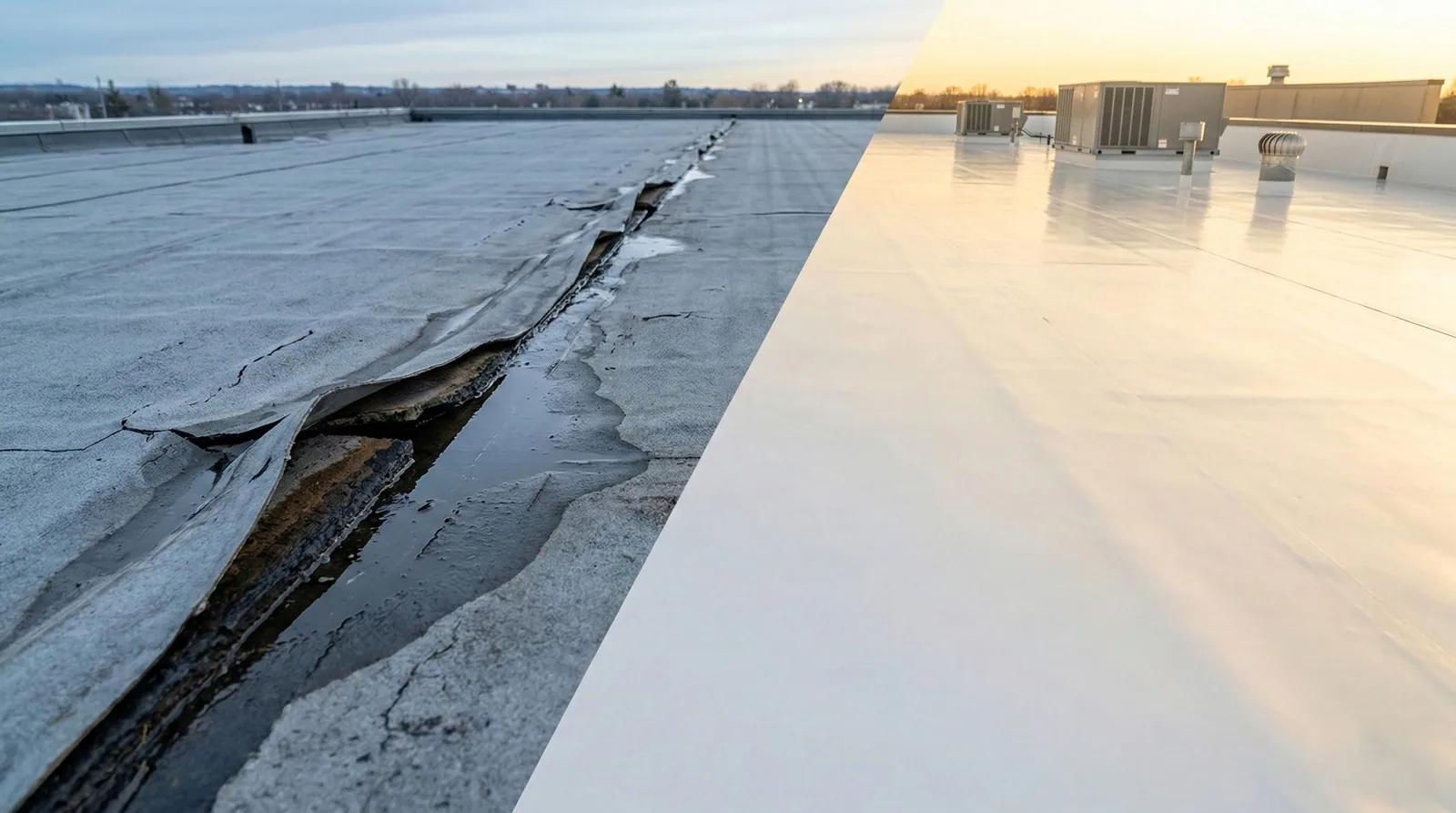
For an EPDM flex industrial assembly, the installed sheet and earlier repairs influence compatible preparation and joining. We examine the material available at the boundary and select the task that can restore the connection through suitable layers. A support concern is coordinated before the base becomes concealed. The daily opening accounts for that receiving work and the details required to close. If findings change removal, protection and the next construction stage are reviewed before another section is exposed, preserving a workable tie-in to the retained covering.
How does the local industrial setting inform the material route?
Goldsby's industrial and flex area has established commercial uses east of Interstate 35. A requested building there may combine office, production and staging tasks within the property operation. Its actual material approach is identified with the contact before lifting or removal. The route needs to support the roof layers and component corrections planned for the available working period.
The State Highway 9 Technology Corridor in south Norman includes employers such as Hitachi and the Postal Service's National Center for Employee Development. For a requested flex property in that broader area, its roof assembly and equipment arrangement establish the construction interfaces. The project team coordinates access relevant to the actual operation below them. We match the material route to receiving preparation and closure rather than infer a removal sequence from the surrounding economy. The component task and roofing boundary then proceed with delivery, inspection and operational release aligned to the physical work.
What should be examined when a tenant changes the office-shop interface?
A wall alteration or new service connection can disturb the repaired roof junction. We identify the completed boundary and the receiving component affected by the proposed work. The responsible trade coordinates its task while access remains available. Roofing preparation and compatible closure follow the corrected interface, with its inspection stage established before another component hides the detail.
Cleveland County has hot-weather exposure and below-freezing nights in its climate normals. At the actual flex building, those seasonal changes are considered with movement and bond condition at the repaired materials. Located photographs and assembly identification support later inspection. Accessible outlets and service contact points are also examined where new activity can affect the covering. The project handoff identifies the completed transition and any separate work remaining, allowing a later tenant alteration to connect through an assessed receiving detail while preserving the roof's movement and drainage relationships.
Related Work
Commercial Roofing Questions
Can a rigid tie-in at the office-shop wall reopen after repair?
Examine the adjoining movement arrangement and receiving attachment before adding another layer. We identify unsuitable restraint or base damage and coordinate correction. Compatible roofing then connects through the actual junction with the necessary movement provisions and inspection access maintained.
How should investigation above the shop differ from work over the office?
The affected operation and interior arrangement are established with the property contact before opening. We identify the roof-layer question and the preparation needed for closure. Protection and the working period follow the actual area and receiving tasks involved.
Will new production equipment require roofing changes beyond its penetration?
Assess the proposed support, clearance and adjoining layers before the opening is made. We coordinate component or structural assessment where necessary and examine usable flashing height. Compatible closure follows the prepared receiving base and the inspection required before placement.
What should be checked when a tenant modifies the wall beneath a repaired tie-in?
Locate the roof termination and the shared movement detail before the wall task begins. We coordinate access and assess the junction affected by the alteration. Roofing preparation and any compatible correction are completed before adjoining work conceals the receiving interface.
Assess the flex building office-shop roof transition
Provide the Norman-area flex property, adjoining roof sections, reported separation and component schedule. We will examine the receiving junction and identify the wall, support and roofing work required for closure.
Request a Roof Assessment