Commercial Roofing Services
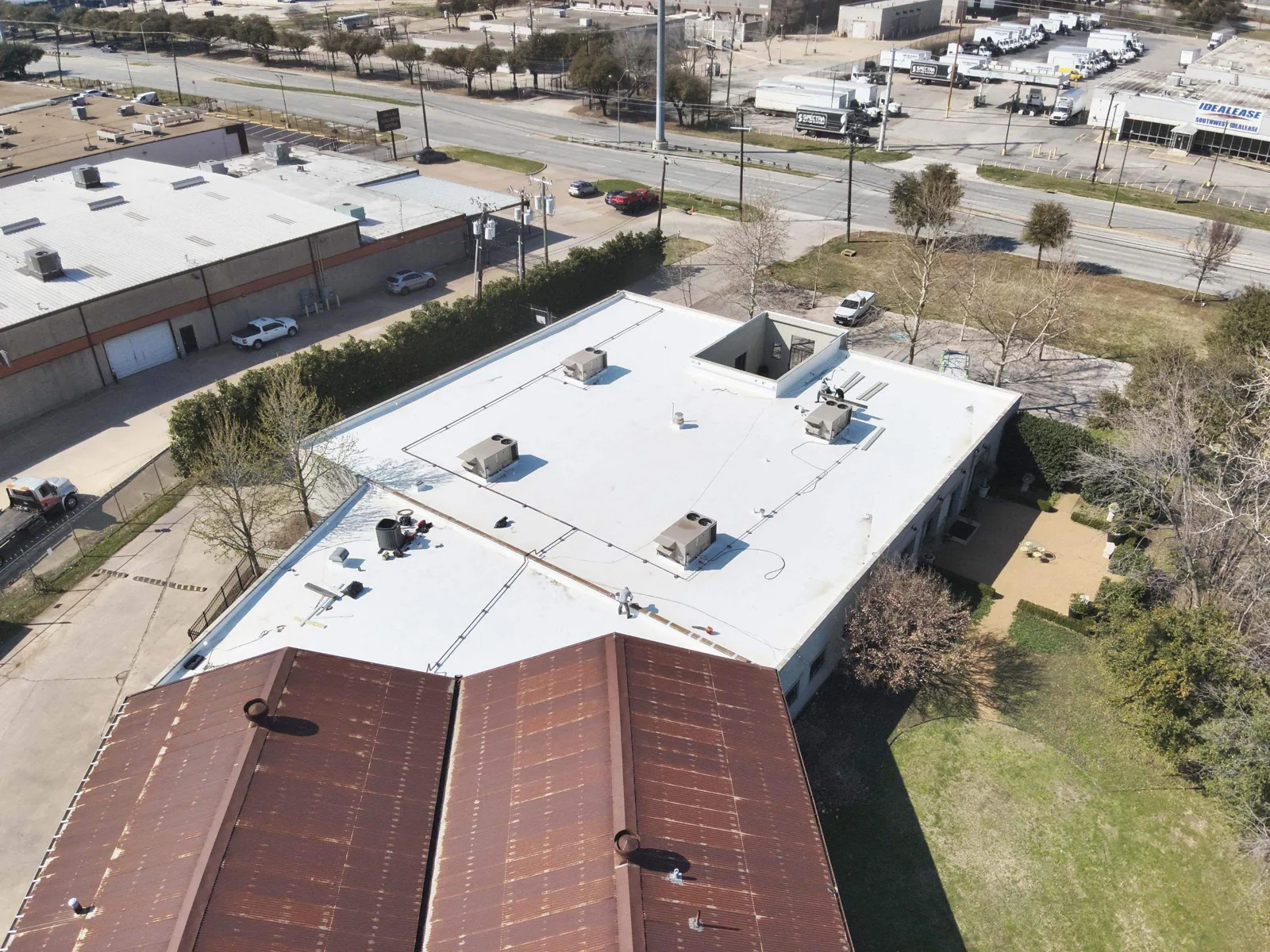
An overhanging unit housing can hide the upper termination of its curb flashing, preventing inspection before replacement equipment is set. The lift and curb work need to expose that junction while roofing preparation and closure remain possible. We coordinate rooftop equipment curbs and supports in Norman, OK, with the trades responsible for equipment and structural components. Our roofing work establishes compatible flashing and protection after the receiving component, clearance and load path have been addressed.
The State Highway 9 Technology Corridor has adjoining university facilities and employers including Hitachi and the Postal Service's National Center for Employee Development. Northwest Norman includes offices and specialty medical uses. At a requested property, the actual equipment and roof assembly determine the service and construction sequence. We examine those interfaces rather than select a support from the building use alone. A roof-to-equipment interface inspection identifies contact, flashing and access concerns before a unit or support is changed.
Where does the support transfer its load?
A curb or support needs a suitable load path to the building, while roofing must maintain water control around that component. We identify the arrangement found and the information needed from the responsible designer or equipment trade. The assessment can involve structural review where an added unit, altered support or deteriorated base changes the question. Membrane repair is not used to carry a load that belongs to a support system.
The receiving roof layers also affect surface protection and detail construction. A component resting on damaged insulation can require investigation of the material below before a roofing repair is selected. We coordinate exposure and closure so the support condition remains available to the trade examining it. On an operating manufacturing property, unit service and production requirements can influence when that examination proceeds. The roof task follows the established support arrangement, with temporary protection assigned while the receiving component is corrected or assessed.
How much space remains for the flashing task?
A unit overhanging a curb can limit access to the membrane termination below it. We examine the usable sides, flashing height and equipment clearance before describing how roofing work will proceed. Lifting or temporary relocation may be necessary to expose the connection. That requirement belongs in the equipment schedule before the roof is opened, including the point at which the unit can be set again.
A new insulation layer can further reduce the available curb height. We review proposed insulation and board thickness against the equipment detail rather than treating the reroof and unit replacement as independent scopes. The altered surface must still allow a suitable roof termination and water route. Where a curb extension or different component is required, the responsible trade completes that task before roofing closure. We identify the inspection stage that remains accessible, allowing the general contractor to check the junction before the equipment makes it difficult to reach again.
Which pipe movement should stay clear of the seal?
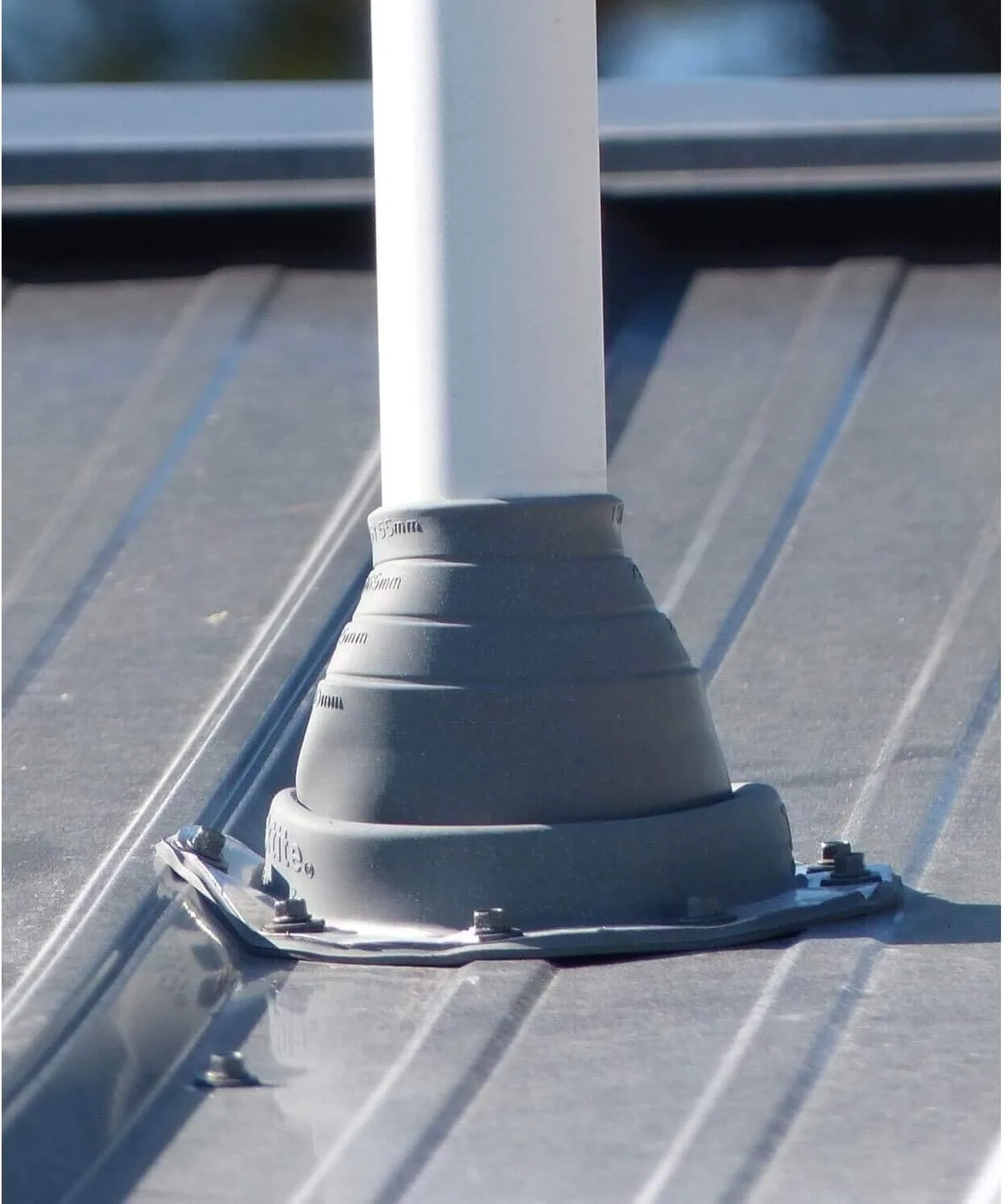
A pipe held tightly against a flashing collar can transmit movement directly into the roof seal. We inspect its support and clearance with the trade responsible for the pipe, then determine the compatible roofing connection. A support may need adjustment so the component can move as intended without repeatedly contacting the membrane. The detail chosen follows the actual pipe, roof material and movement conditions.
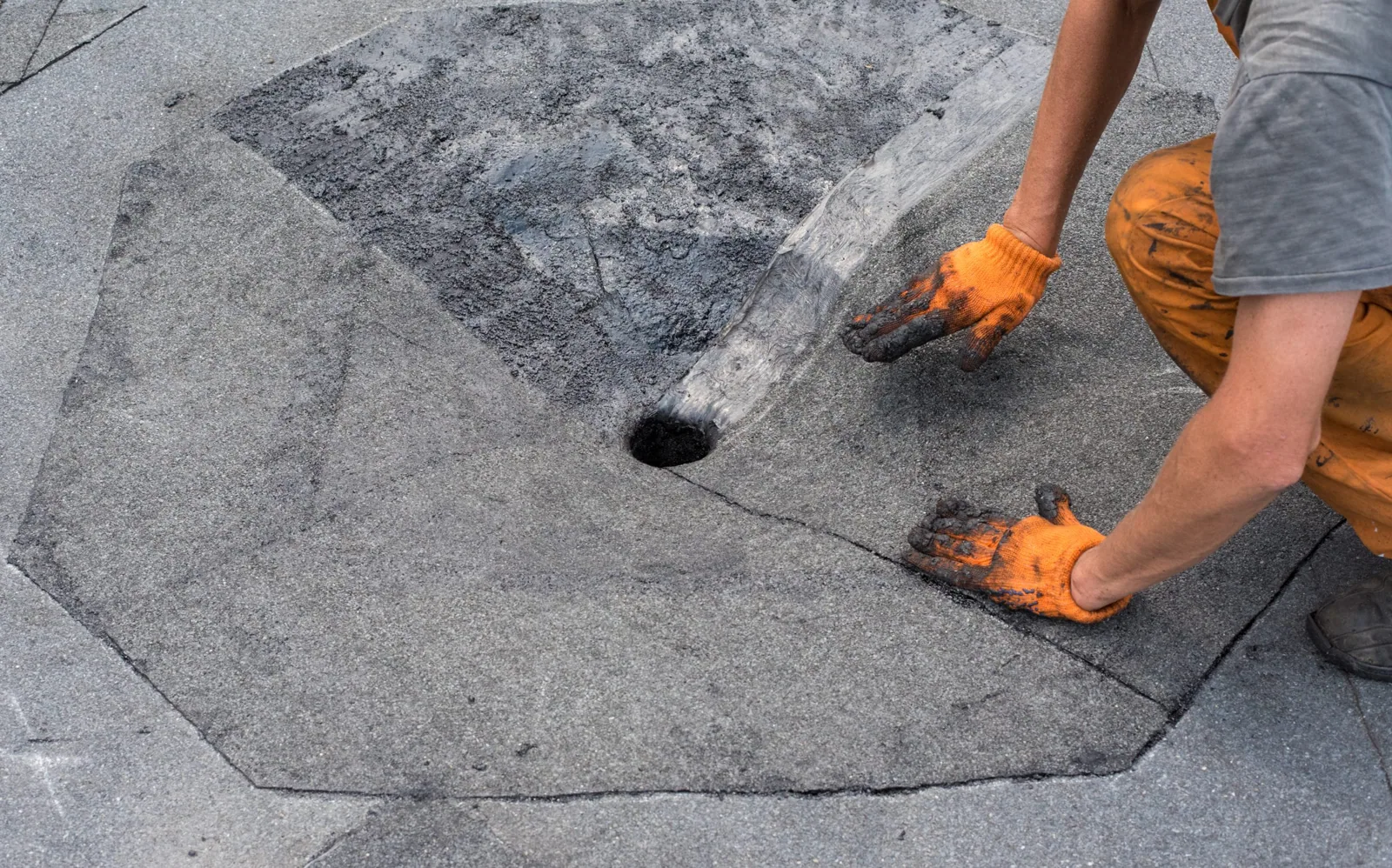
We examine grouped penetrations separately from individual pipes because access and flashing geometry can change. Closely spaced components may require a coordinated arrangement that leaves room for preparation and later service. Our penetration flashing work restores the roof-side connection after the support and component tasks are ready. Surface contact from temporary blocks or service tools is also assessed. Any damaged covering receives a suitable receiving-surface check before repair, preserving the distinction between supporting the equipment and sealing the roof around it.
Does the equipment interrupt the drainage route?
A wide curb can divide flow and leave water collecting on its uphill side. We examine the surrounding elevations and outlet relationship before the equipment detail is finalized. A cricket, local tapered section or curb arrangement may need design coordination to maintain a usable water path. The altered profile is considered alongside flashing height and the equipment clearance needed for installation.
Our outlet and slope assessment follows water through the affected roof area where the equipment change influences drainage. The correction may extend beyond the curb itself, particularly if added supports sit in an established flow route. In the Highway 9 Technology Corridor, a requested academic or employment property can have specific equipment-service needs. We establish those operating constraints with its contact and coordinate the roof details with the equipment plan. The construction sequence resolves drainage and support before the surrounding covering is completed.
What must be checked between the lift and roof closure?
An exposed curb during a unit change creates an opportunity to examine material normally hidden by the equipment. We assess the accessible receiving surfaces and identify damage, unsuitable earlier repairs or layer concerns that change the roofing task. The equipment trade and roofing crew need an agreed release point so support or curb corrections can proceed before permanent flashing closes access.
Temporary water control is arranged for the actual opening and work window. At a medical office building, the equipment serving occupied areas may need a limited interruption coordinated by the building team. We establish the roof task that fits that period and identify any condition that requires a revised sequence. A compatible membrane repair then completes the affected field or flashing after the adjoining component is ready. The handoff is tied to the inspected junction, preventing equipment placement from concealing a surface still awaiting roofing preparation.
How is the finished connection protected during service?
Equipment servicing can introduce tools, replacement parts and repeated foot traffic around a completed curb. We identify the roof surfaces that need protection and the route that keeps contact away from vulnerable details. Supports and protective components must remain suited to the assembly and drainage, rather than being placed across an outlet route or against an unsupported membrane edge.
Cleveland County's normal summer heat and freezing nights provide seasonal context for checking movement at roof-mounted components. Actual service and temperature conditions at the requested building guide the inspection points. We explain which repaired junctions should be examined after unit changes or support adjustments. Located photographs identify roofing closure and the adjoining equipment components retained. The building team can use that information to arrange later work while preserving flashing access, support clearance and the protection installed for the covering.
Related Work
Commercial Roofing Questions
Can the roof membrane support a pipe that has lost its bracket?
The pipe needs a suitable support arrangement from the responsible trade. We inspect contact damage and coordinate the roof repair after that support task is addressed. Flashing is selected to maintain water control without carrying the unsupported component's load.
Should equipment be ordered before curb flashing height is checked?
Check the roof profile, usable curb height and access before finalizing the equipment arrangement. Added insulation or an overhanging unit can change the roofing detail. We identify the required curb or clearance correction so it enters the equipment and construction schedule.
What roofing work can occur while a unit is lifted?
The exposed junction can be inspected and prepared once its receiving components are ready. We coordinate curb correction, temporary protection and compatible flashing with the equipment trade. Any material condition that changes closure is assessed before the unit obscures the connection.
Will a new support affect drainage near the equipment?
Its position and profile can change how water passes through the roof area. We examine nearby elevations and outlets before the arrangement is completed. The support and protection details are coordinated with a usable flow route and accessible flashing.
Coordinate the support and roofing release point
Share the Norman building location, unit or pipe arrangement, roof layers and planned lift or service date. We will examine the roofing interfaces and establish the tasks needed before equipment closes access.
Request a Roof Assessment