Service Areas
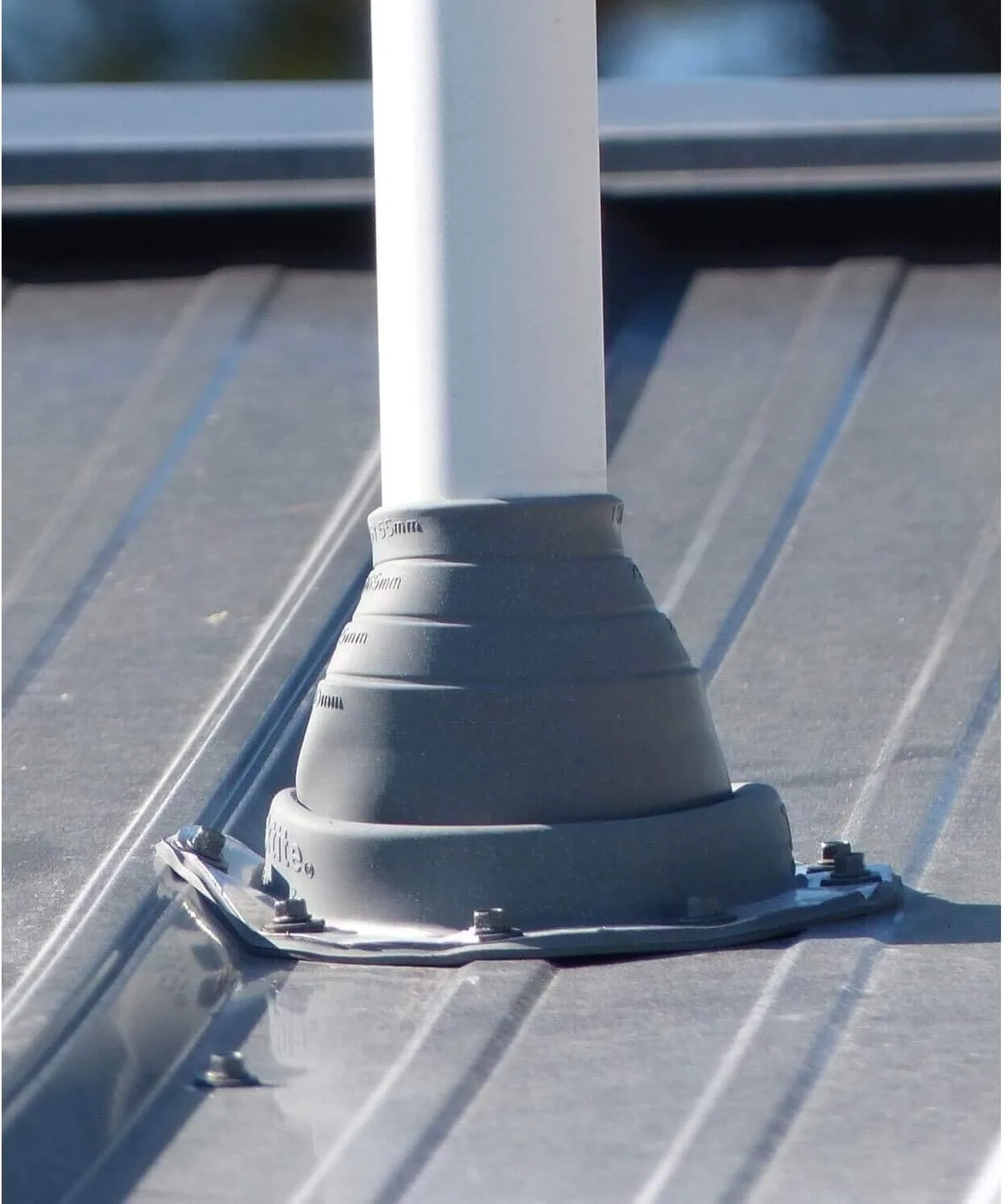
Roof work across the Highway 9 Technology Corridor includes commercial assembly inspection and coordination where service components meet the covering. An oversized sleeve around a small line can leave a deep annular recess that collects water beside the flashing. We examine the sleeve, line movement and roofing connection before treating the recess with another surface fill. The receiving detail needs suitable geometry and compatible closure at both the component and membrane.
State Highway 9 runs east-west along south Norman, OK, through the Technology Corridor. Hitachi and the Postal Service's National Center for Employee Development are among its employers. For a requested property within the broad corridor, commercial roof penetration reconstruction follows the actual assembly and sleeve condition. We identify the space, component support and usable sheet needed for the correction before permanent material closes access around the service line.
What does the recess need before permanent sealing?
A sleeve can provide room for service movement while leaving a poorly arranged receiving cavity at the roof. We inspect its size, profile and relationship to the installed flashing. The line support and intended movement need consideration before material is placed around it. A filler chosen simply to occupy the visible space can restrain the line or leave water at an unsuitable edge.
The responsible component trade addresses its sleeve and line task, with design review where the proposed arrangement requires it. Roofing establishes the compatible junction at the actual receiving geometry. Service support coordination through the roof assembly identifies component release and the usable flashing space before installation. We prepare the membrane connection after the component is suitable, preserving required movement and access for inspection. The corrected detail then connects through its receiving faces rather than relying on a surface cap to hide a cavity whose underlying arrangement remains unfinished.
Which sheet can receive the replacement flashing?
A distorted membrane beside the sleeve may have cuts, earlier sealant or insufficient working width for a direct patch. We inspect the material and identify where compatible joining is possible. The preparation boundary needs adequate sound sheet for the applicable process, including the change in plane at the component. The outer size of the sleeve does not by itself establish that boundary.
Repair of the membrane beside the service opening follows the installed roof family and actual receiving condition. Thermoplastic sheet needs suitable welding preparation and completion checks. Rubber and bituminous materials follow their compatible connection methods. We assess the finished junction while access remains available, then coordinate later component contact. A service clamp or housing that returns before the connection is examined can conceal an unfinished edge, so that placement follows the required roofing checks rather than becoming the means of holding an unsuitable patch in place.
How does the corridor's development change operating access?
The Highway 9 corridor adjoins university facilities, while southeast Norman around Highways 9 and 77 has new multifamily housing and retail development. A requested property's service and operating arrangements need assessment at its actual roof task. We identify the opening, material route and affected area below before selecting the construction period. The property contact coordinates access relevant to that work.
Commercial roof work within Norman follows the requested assembly and its component needs. A service-line correction may require another trade at the same receiving junction before roofing proceeds. We identify that task and the usable daily protection arrangement. The broad corridor's employers and development provide context for coordination, while the specific roof inspection establishes preparation and material work. A changed sleeve or support finding is reviewed before extending exposure so the construction remains matched to what can receive suitable closure at the actual building.
Has the recess admitted water into the supporting layers?
A cavity at the component can expose insulation and board below the visible membrane. We investigate the condition relevant to the proposed repair and examine materials where access is needed. The usable reconstruction boundary includes suitable adjoining layers and support. An outer sheet correction cannot restore lower material that remains wet, displaced or unable to receive the new detail.
Moisture investigation around the service sleeve can assist material checks under conditions suitable for that method. We connect findings to the installed construction before defining removal. The exposed base is assessed, with a structural concern reviewed by the appropriate professional. Replacement layers follow the selected profile at the sleeve and nearby outlet. The membrane then joins after receiving construction and the component task are ready, with weather protection maintained during the unfinished interval. This sequence rebuilds the affected assembly rather than closing a surface opening over unresolved lower-layer condition.
What changes when a broader renewal raises the field surface?
A recover can bring new roofing closer to the top of a sleeve, reducing usable flashing height or changing the recess at its receiving edge. Replacement can also alter the profile depending on the selected layers. We examine those consequences before choosing a renewal detail. Retained moisture, attachment and support need assessment alongside the proposed component geometry.
Recover assessment at existing service penetrations connects the field choice to those receiving conditions and applicable project requirements. A component modification may be required before placement. The drainage approach also needs a suitable profile so water is not held against the sleeve by a newly introduced step. We identify material removal, preparation and trade tasks before construction begins. The alternative is selected from the viable assembly and component arrangement, with cost and timing driven by those actual tasks rather than adding field material without a workable connection at the service opening.
What should another service alteration check before changing the sleeve?
A later line replacement can change movement, support or the space needed at a completed penetration detail. We identify the repaired junction and assess the proposed alteration before the component is fixed in a new position. The responsible trade coordinates its task with membrane preparation and inspection access. A changed opening receives its own compatible reconstruction rather than another seal applied over the old arrangement.
Roof service coordination in the Lindsey Street District is likewise based on each requested property's installed connections. Within the Highway 9 corridor, later maintenance examines actual component movement, bond condition and accessible drainage. Cleveland County's seasonal climate includes freezing nights and heat, considered with those observed interfaces. We clear suitable accessible obstruction and investigate new material defects where found. The next construction stage follows ready receiving surfaces and usable component clearance, preserving the completed roof relationship until the actual alteration requires a revised detail.
Related Work

Commercial Roofing Questions
Can the annular space around a service line simply be filled to the surface?
Inspect the sleeve geometry, line movement and compatible receiving arrangement first. A fill can restrain the component or leave an unsuitable water-holding edge. We coordinate the required component task before selecting permanent material and completing the membrane connection.
How should the sheet repair boundary be selected beside an oversized sleeve?
Locate sound membrane with adequate room for the applicable joining process. Damage or earlier material can extend beyond the component footprint. We establish suitable preparation and check the finished connection, including the change in plane around the opening.
Will adding roofing layers change the existing service detail?
Compare the proposed field height with sleeve clearance and the receiving recess. Recover or replacement may require a component modification. We assess retained construction and drainage before selecting the new profile so the permanent assembly has a workable junction.
What needs coordination before a later line replacement uses the repaired sleeve?
Assess the new component's support, movement and preparation space against the completed roof detail. The responsible trade and roofing sequence their tasks before final placement. We reconstruct the connection where the alteration changes it, maintaining inspection access until closure is ready.
Set the Highway 9 service-sleeve detail before closure
Share the corridor property location, sleeve and line arrangement, installed covering and component schedule. We will assess receiving geometry and the layer condition before the permanent junction is formed.
Request a Roof Assessment