Commercial Roofing Services
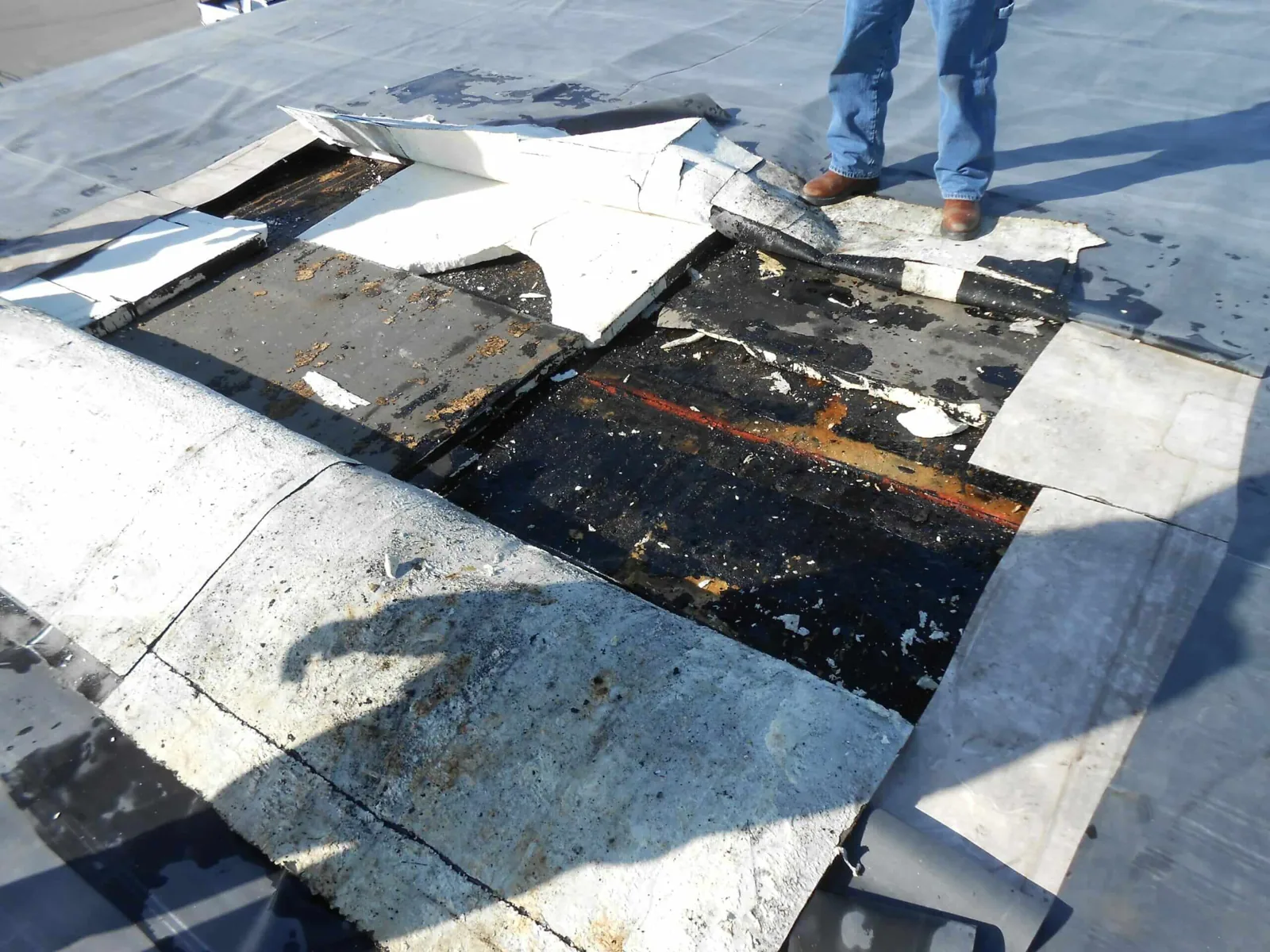
A torn membrane beside shifted equipment can involve covering damage, wet insulation and a support correction in one repair area. Recording only the tear leaves the construction sequence incomplete. We provide roof insurance claim assistance in Norman, OK, by documenting the observed components and explaining the roofing work each condition requires. The insurer determines coverage, while our assessment connects the damage locations to a defined repair or investigation scope.
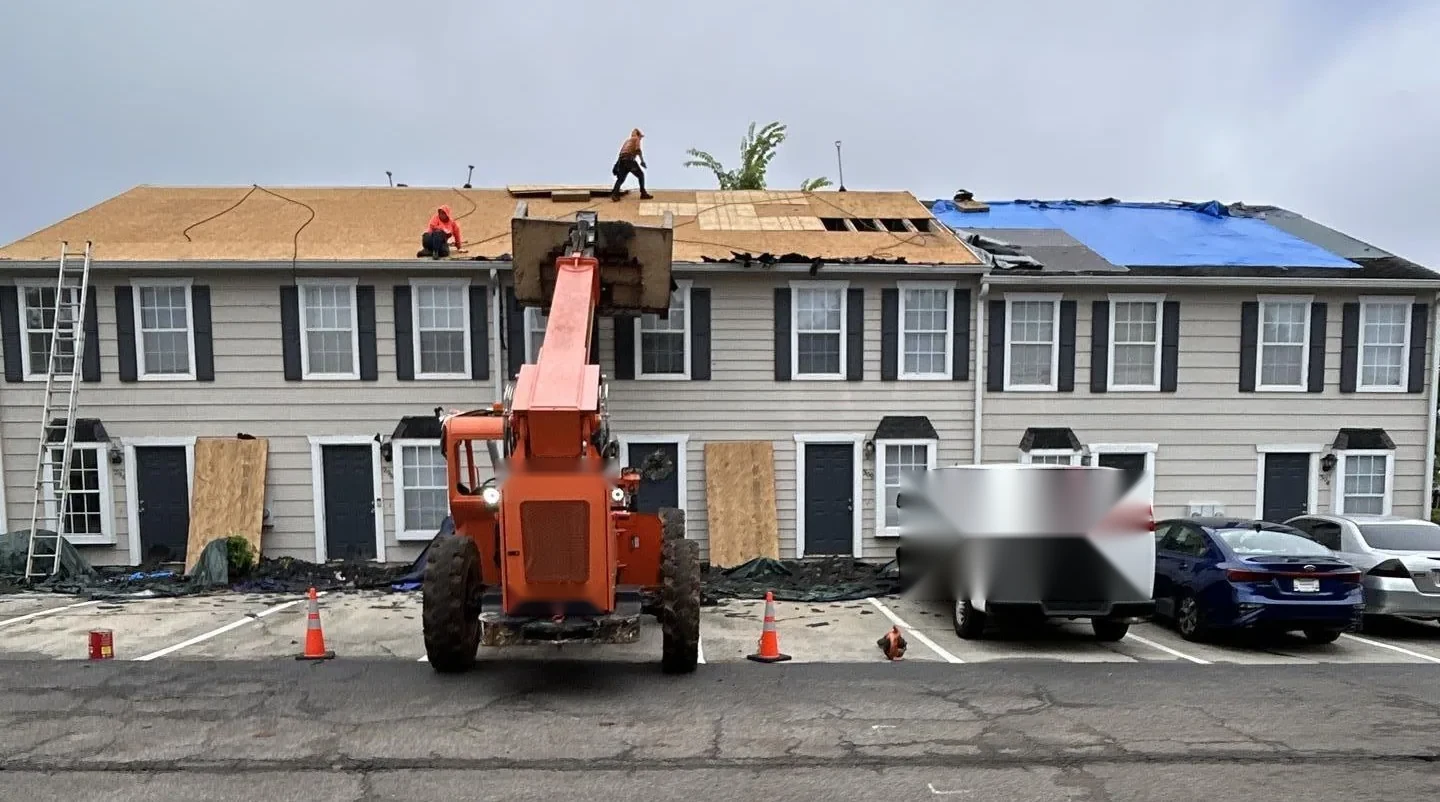
The February 2023 Goldsby-Norman tornado and the April 2023 hail report west of Norman provide local storm context. For a requested property, we examine the actual materials and affected details, then assemble photographs and findings useful to the claim discussion. Inspection of storm-damaged roofing establishes the physical condition before the permanent construction tasks are described. Active exposure is addressed alongside that investigation, with immediate protection distinguished from the work proposed after the damaged assembly has been examined.
How is each observed condition located?
A close image of an impact or open seam needs a wider view showing where it sits on the building. We identify the roof area, adjoining equipment or perimeter reference and the component being examined. Similar curbs or repeated drain arrangements can make photographs difficult to use without that orientation. The description follows the visible finding and the next physical check required, allowing the same detail to be revisited during inspection or repair.
We separate observations of membrane, flashing, metal and equipment interfaces rather than presenting every photograph as the same type of damage. A displaced metal segment may need attachment examination, while a puncture can call for investigation of the layer beneath it. Where aerial views are useful, they are related to close inspection points. Located condition findings bring those observations together with material information. The resulting record gives the building team and claim participants a common physical reference for discussing the roofing scope.
Which concealed layer affects the proposed repair?
Water beneath a damaged covering can change the insulation removal boundary. We identify where further investigation is needed and select an appropriate method for the installed assembly. Test openings establish the material arrangement and condition at their actual positions. Their findings are related to adjoining observations so the repair extent can be assessed without treating one opening as a complete measurement of every concealed layer.
An infrared investigation with selected confirmation may help assess suspect moisture under suitable conditions. The temperature pattern and the material exposed are described separately. Where the receiving deck, cover board or insulation needs correction, the scope explains its effect on attachment and closure. We also identify another trade's role where a support or equipment connection is impaired. The claim documentation therefore follows the same assembly questions that the repair crew must resolve, including the material that can remain and the area needing additional examination before quantities are finalized.
What was protected before permanent inspection?
A temporary covering installed over an opening changes the condition visible during a later visit. Photographs of the original exposure, when available, help distinguish the initial finding from the protective work. We describe the area covered, the purpose of the measure and the permanent connection still needing assessment. The record identifies the work performed without presenting temporary protection as a substitute for reconstruction of the failed detail.
Our emergency water-control measures can include temporary dry-in or securing material where conditions permit. The building team should retain the related work information with later inspection findings. If permanent work requires removing that protection, the sequence and materials are identified in the repair scope. Interior restoration remains a separate coordination item when wet ceilings, contents or equipment need attention. Keeping those boundaries clear helps the construction team account for roofing, protection and adjoining tasks without assigning the same operation to several descriptions.
How does the operating property change the work description?
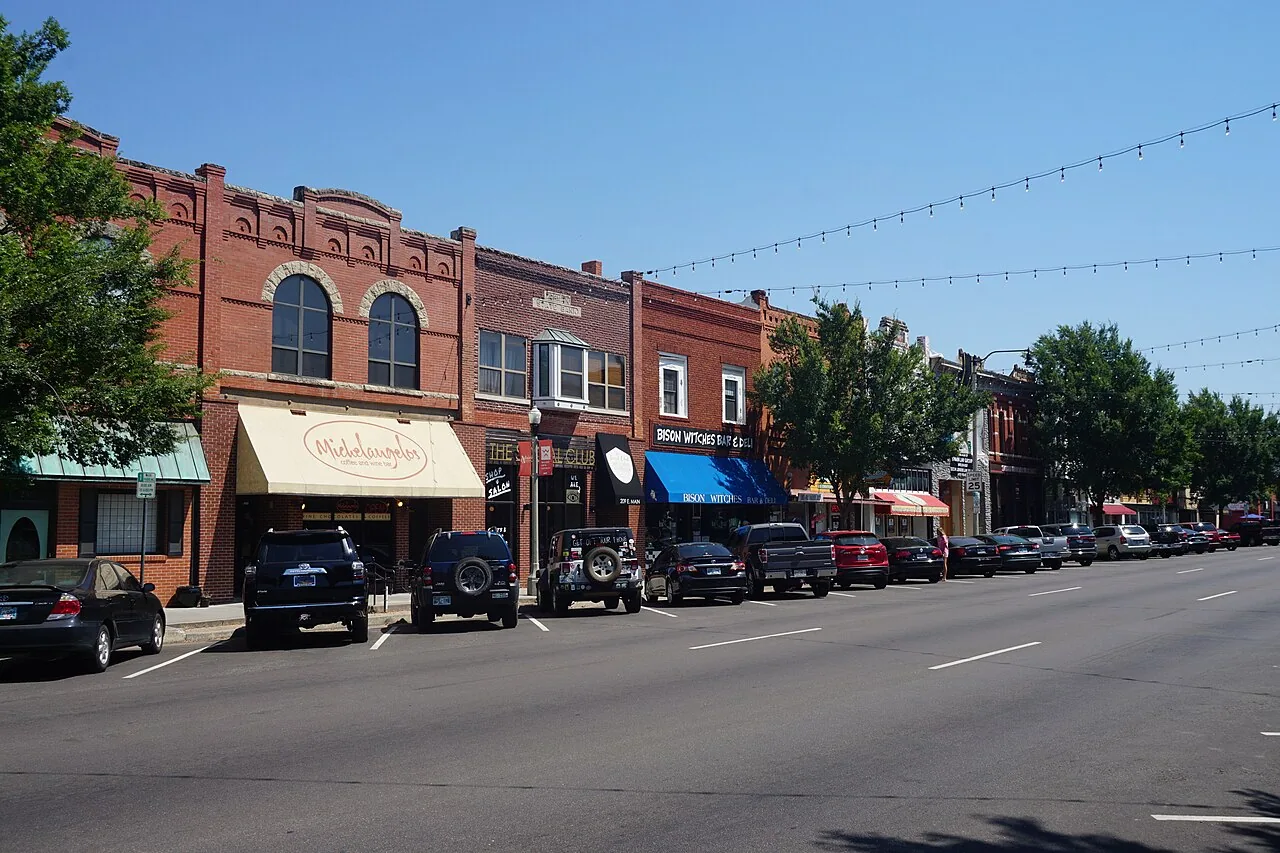
Downtown Norman contains shops, restaurants, galleries and artist studios. For a requested property there, an exposed roof connection can affect different occupied areas and require a specific material-handling route. We examine that relationship with the building contact before describing access and protection. The scope identifies the affected detail and the working arrangement needed to repair it, rather than treating building use as an unrelated background detail.
University North Park includes retail businesses and hotels along Interstate 35. At a requested property in University North Park, equipment access, entrances and operating periods can influence repair sequencing. Work on a hotel roof connection may need particular interior areas protected while a curb or drain is opened. Those operations are described when they are necessary to the roofing task. The repair account connects access, temporary water control and permanent closure to the actual component being rebuilt, so each included operation has a physical purpose.
What distinguishes a surface repair from reconstruction?
A membrane tear with sound adjoining material can permit a contained repair, while deteriorated insulation or failed support can require removal and rebuilding. We examine the receiving surface and layer interface before selecting the proposed detail. The scope identifies preparation, removed components, replacement material and the connection to retained roofing. If another trade must repair an adjoining component first, that dependency is part of the construction sequence.
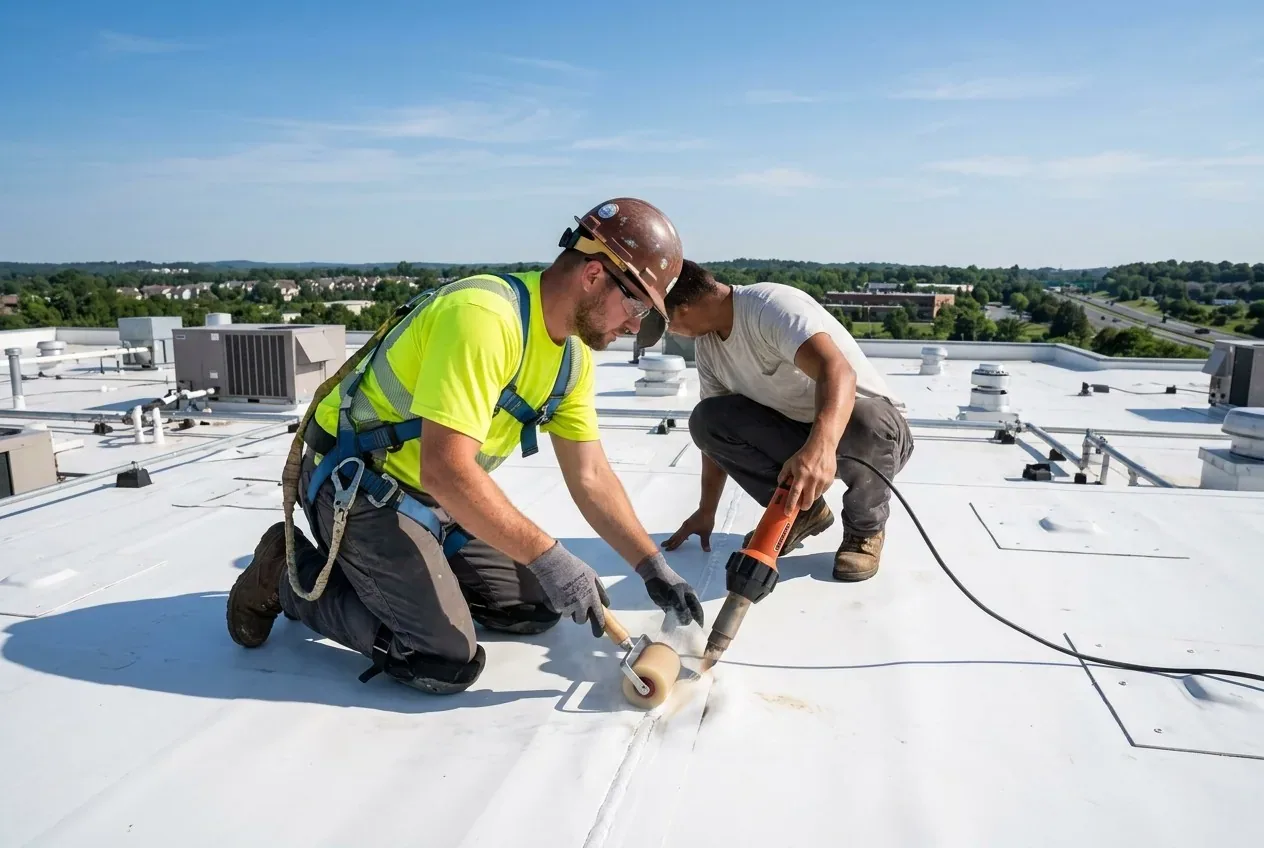
For an EPDM covering, compatible repair components and surface preparation differ from welded sheet work. We describe the relevant method after the assembly has been identified. Where several roof areas need examination, quantities are tied to measured findings and an agreed investigation boundary. Any condition revealed during construction that changes removal is photographed and assessed before new material conceals it. The revised roofing task follows the exposed condition, with its location and reason for extension explained so the construction discussion remains tied to the material actually found.
What remains useful through the claim and construction process?
The insurer may request additional observations or an examination of a specific detail. We coordinate appropriate access and provide roofing findings that answer the material question. Policy interpretation and settlement decisions belong to the insurer. Our role remains the physical assessment, roofing scope and documentation of work performed, with the condition and task described clearly enough to support a later inspection.
Completed repair photographs identify the connection restored and any layers replaced during the work. We retain the distinction between initial damage observations, temporary measures and permanent construction. The building team can use that record for later maintenance and equipment coordination as well as the claim discussion. If an adjoining support or wider assembly concern remains unresolved, we identify the next task and its physical location. The final handoff links the repair performed to the finding that required it, leaving a usable construction record rather than an image collection without component or work information.
Related Work

Commercial Roofing Questions
Can you determine whether our policy pays for the roof work?
Coverage and payment decisions rest with the insurer. We document the roofing condition, investigation and proposed construction tasks. That information supports the claim discussion while keeping the physical repair scope separate from policy interpretation.
Should emergency protection photographs be retained?
Keep available before-and-after views and descriptions of the protective measure. They help distinguish the initial opening from material installed during the response. We connect that information with later inspection and identify the permanent roofing work still required.
How are wet layers discovered after opening documented?
The exposed material is photographed, located and assessed before replacement layers conceal it. We explain how the finding changes removal or the receiving surface. The construction quantity is then related to the actual boundary and the work needed to restore the assembly.
What information helps prepare a useful roofing assessment?
Provide the building location, event observations, available photographs and known assembly or repair history. We use those details to select inspection points and identify access needs. The findings are tied to roof components and the corrective work each condition requires.
Document the roofing condition and required work
Share the Norman-area property, observed damage, available roof information and the inspection or decision date. We will assess the affected connections and prepare findings tied to the roofing scope.
Request a Roof Assessment