
Commercial Roofing Services
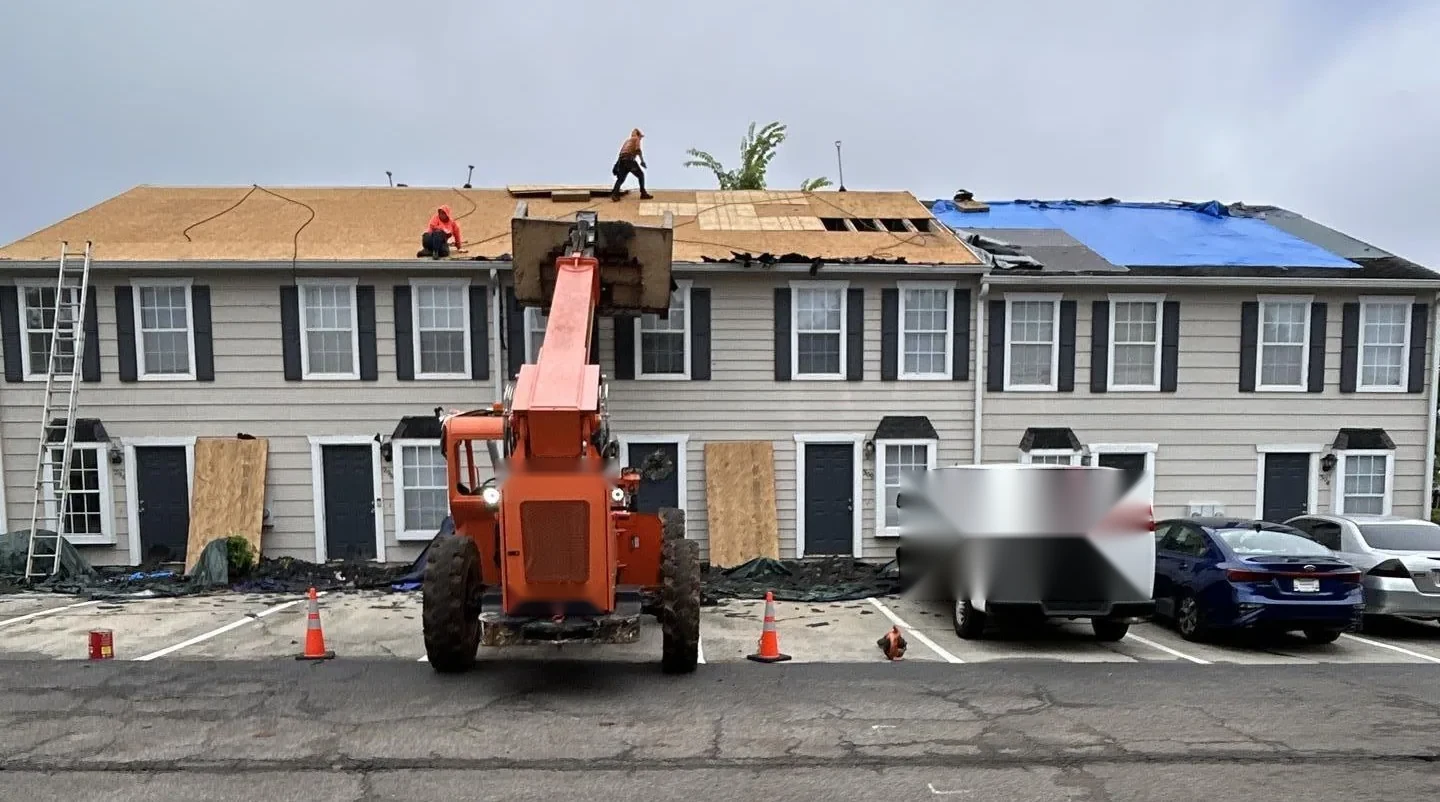
Displaced perimeter metal can drag across a membrane and leave two different repair tasks at the same edge. The covering needs examination where contact occurred, while the metal's attachment and receiving support determine its reconstruction. We assess storm damage to commercial roofs in Norman, OK, by following those connected conditions before selecting a permanent repair. Immediate protection is arranged where needed, with the damaged detail and the components beneath it assessed before another layer closes the area.
Goldsby-Norman experienced an EF2 tornado on February 26, 2023. Later that spring, a location two miles to Norman’s west reported hail measuring 1.75 inches on April 19. After a storm affecting a requested building, we examine its actual membrane, flashing, equipment interfaces and perimeter. Our urgent protection work addresses active exposure before the permanent sequence is established. The next task follows the component condition, not a single repair treatment applied to every visible mark.
Which damaged component changes access first?
A loose sheet, unstable metal edge or impaired deck can change how the roof is reached. We assess accessible conditions and coordinate the work area before close inspection. Interior water near electrical equipment or an occupied entrance also requires the building's responsible personnel to manage the affected exposure. Roofing investigation proceeds with those conditions accounted for, including the trade or structural assessment needed where the concern extends beyond the covering.
We identify roof areas needing immediate attention and arrange examination of inaccessible details by an appropriate method. Ground observations and available photographs can help locate concerns while access is established. The damaged edge may require a lift or a different approach from the roof field. A targeted aerial view can help orient the investigation where a useful flight is appropriate, followed by physical checks of the connection. Access selection remains tied to the surface, support and component being examined so the inspection does not add contact or loading to a compromised area.
What does impact change at the layer interface?
A visible dent in metal and a breach in roofing can occur near each other but require different corrective work. We examine impact locations against the installed materials, including seams, reinforced details and components that may have contacted the covering. A puncture can allow water into insulation, while a displaced unit or sharp edge can continue damaging the surface after the storm ends. Those interactions influence the investigation boundary.
Our hail damage assessment identifies the covering condition and selected checks needed where concealed damage affects the scope. We inspect the surrounding material before deciding whether localized work has a suitable receiving surface. Prior wear, old repairs and new openings are described separately where the physical findings allow. The general contractor receives the material and connection information needed to sequence repairs. Suspect concealed areas are investigated with a stated roof question, such as whether insulation beneath an opening remains useful or removal must extend into adjoining boards.
Where must attachment be exposed?
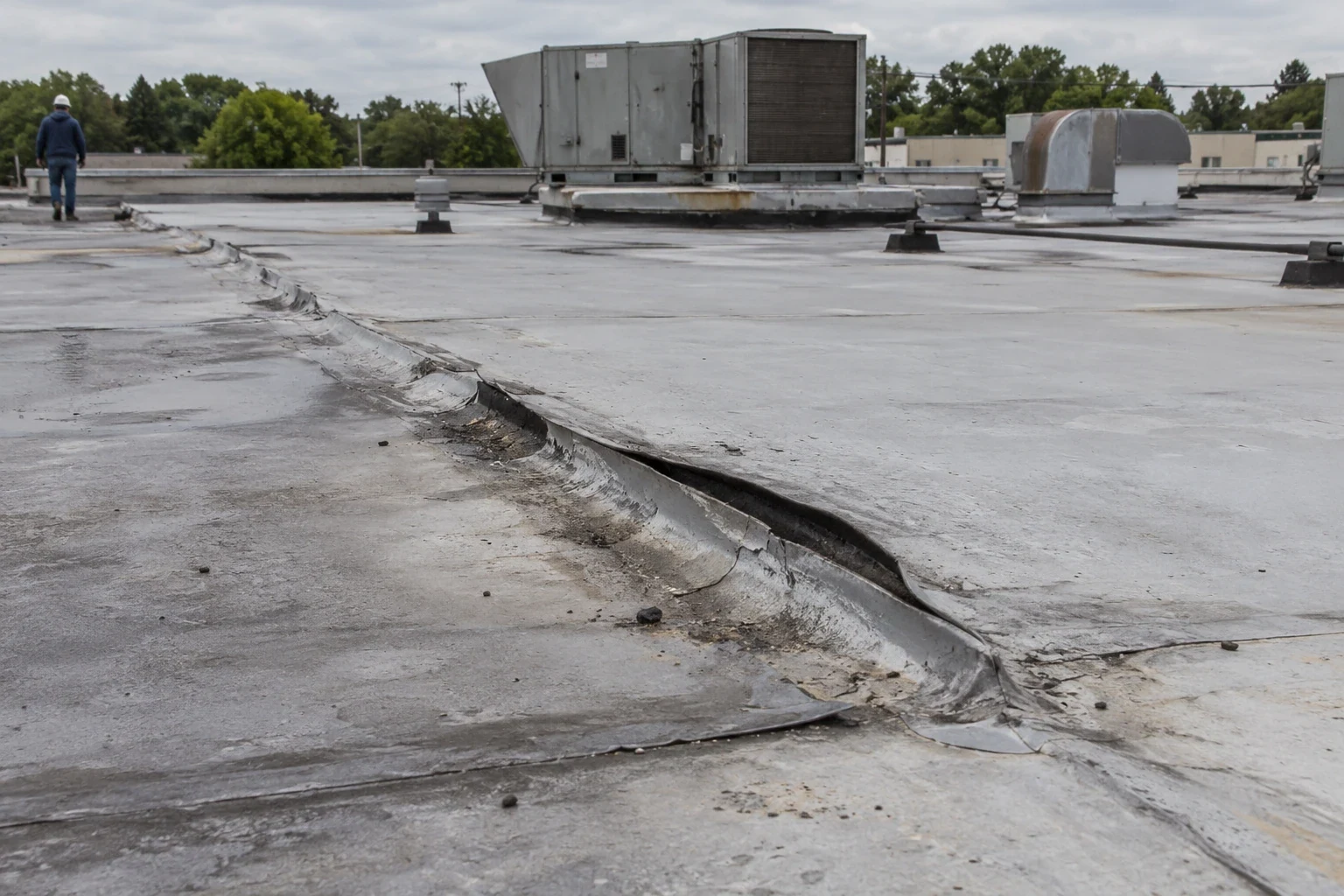
A membrane pulled away from its perimeter can leave attachment hidden beneath displaced material. We inspect the exposed connection and identify additional access needed to examine fastening, support and adjoining sheet. Reclosing the membrane without checking those components can retain the condition that allowed separation. The reconstruction detail follows the actual roof assembly and the receiving component, with structural or equipment work coordinated before roofing closure where required.
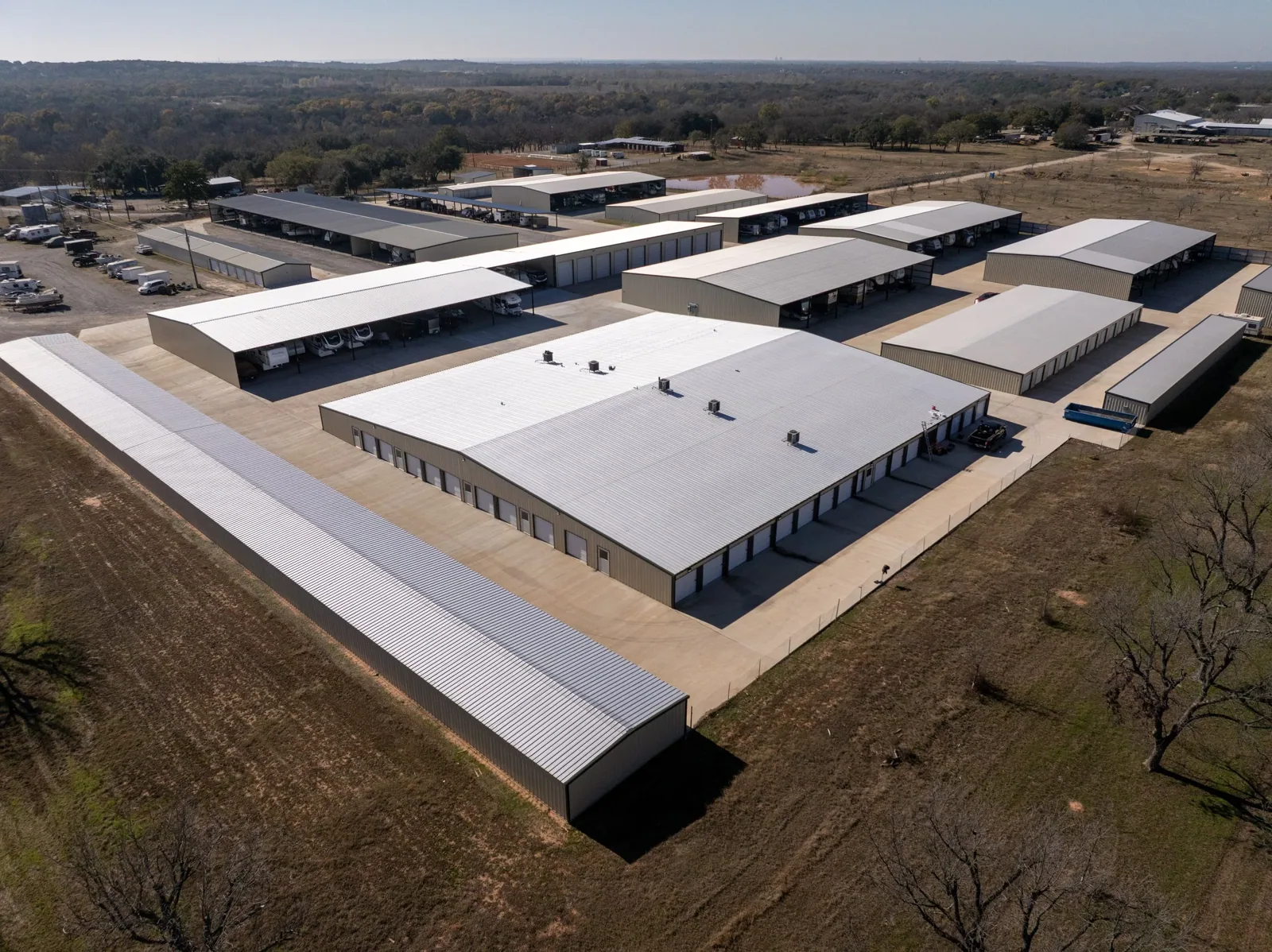
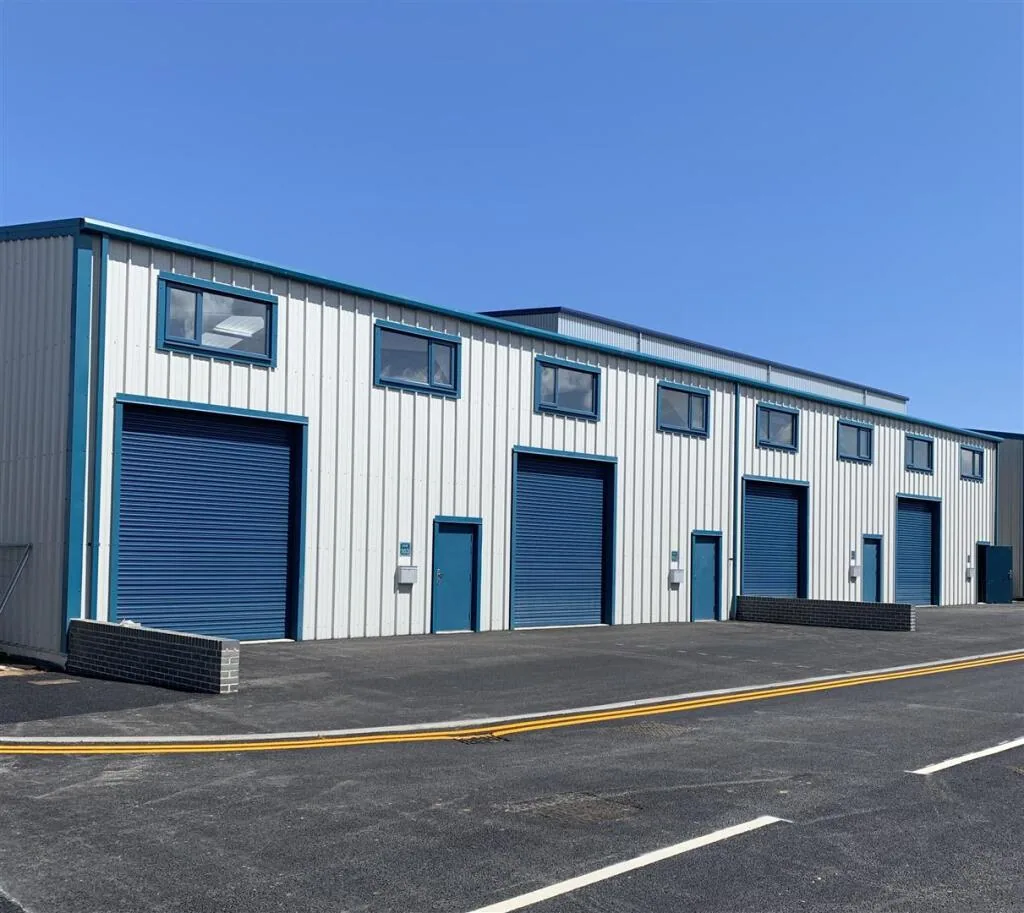
Goldsby's Interstate 35 area includes industrial and flex properties supporting production, office and staging operations. On a requested building in Goldsby, those activities can affect material handling and the protected work zone during edge reconstruction. A flex industrial roof repair also needs the equipment and occupied areas beneath the affected connection identified. We establish which component is ready for roofing and which task belongs to another trade. Temporary water control remains coordinated with the exposed boundary until the permanent attachment and flashing can be completed.
How did debris alter the water route?
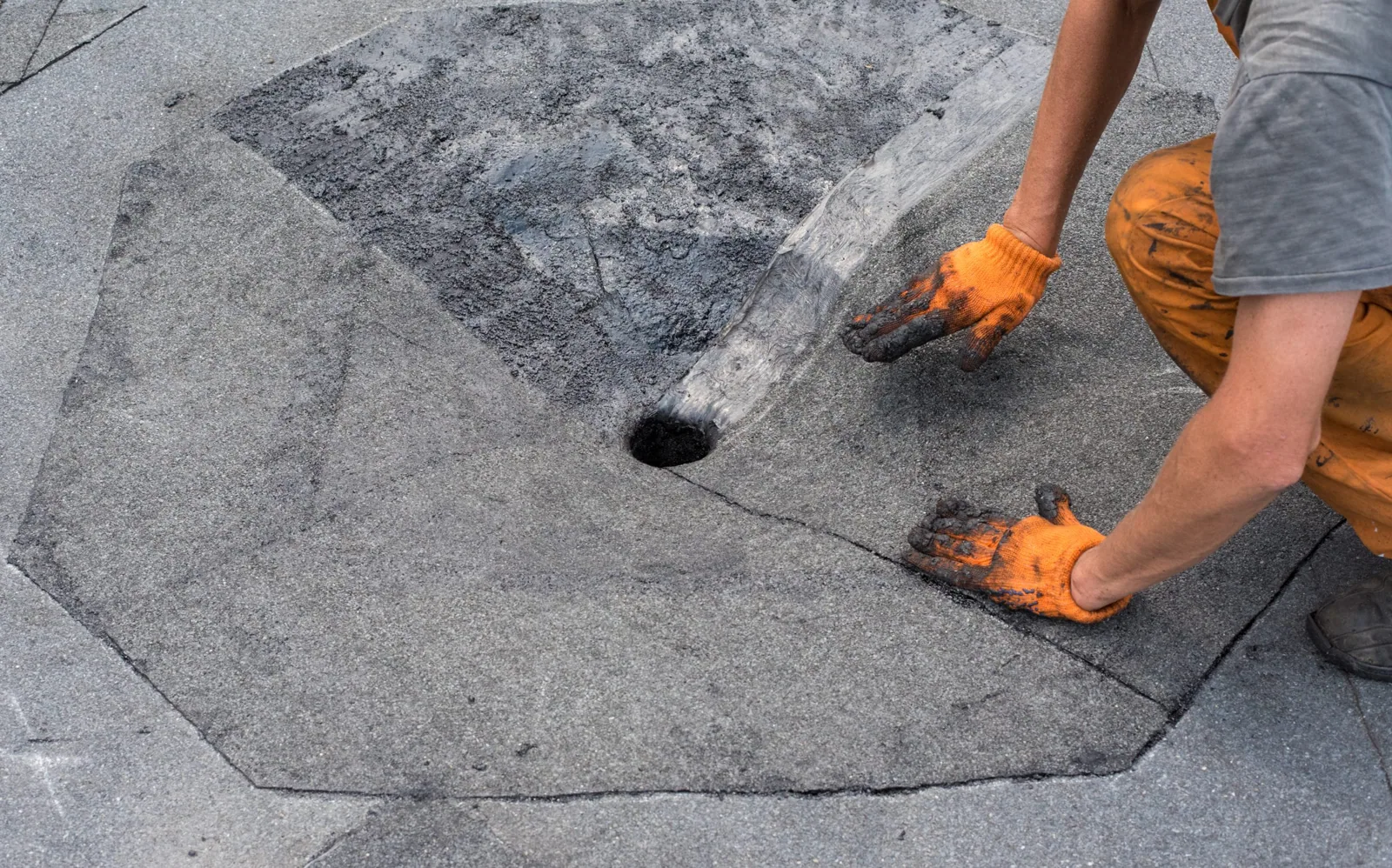
Storm debris near a scupper can hold water against a transition that was not the initial point of damage. We clear and inspect the outlet where safely accessible, then examine the surrounding membrane and downstream route. Displaced equipment or metal can also obstruct flow or create a new contact point. The inspection separates the obstruction from any damaged drain connection and any underlying elevation condition.
Norman's Interstate 35 frontage includes hotels, restaurants, retail and dealerships. At a requested operating property, water exposure above customer or service areas helps establish protection and investigation priorities. We examine the outlet and adjoining assembly before selecting a drainage connection repair. Where piping or another component needs a separate trade, its task is sequenced with roofing so the water route is restored before closure. The completed repair should connect a sound surface to a usable outlet, with remaining slope questions identified for the next construction decision.
Which material can remain beside the damage?
Wet insulation exposed at a puncture changes the work from a surface patch to a layer repair. We investigate adjoining material and determine a workable removal boundary, considering both moisture extent and the connection needed for new roofing. A damaged cover board or unsuitable deck surface can also affect support for the repair. The replacement layers are selected after those receiving conditions are assessed.
For a PVC roof assembly, compatible sheet preparation and welding differ from repairs to other coverings. Existing coatings and earlier patches can require additional treatment or removal. We identify those conditions before choosing the repair detail and explain any extension beyond the visible storm opening. Trade coordination addresses damaged equipment supports or adjoining wall components before they are concealed. The construction team can then compare localized reconstruction with a wider scope where connected deterioration prevents a contained repair from terminating on useful material.
What remains to check after the permanent work?
A rebuilt edge needs assessment of its metal, attachment and membrane transition together. We examine completed seams, flashing and outlets at the repaired areas and identify any component still awaiting another trade. Protection installed during the response is removed or incorporated only as appropriate to the permanent detail. The building team receives located photographs and the scope of completed repairs.
Future examination focuses on the affected junctions and any separate concerns identified during the storm visit. New equipment activity can disturb a finished transition, while debris after another event can change drainage again. We explain which points should be reassessed after those changes. The permanent work restores the authorized roof connections and records the material replaced, giving a later crew useful orientation. Any unresolved structural, equipment or wider assembly decision remains connected to its physical location and the task required to advance it.
Related Work
Commercial Roofing Questions
Should loose perimeter metal be repaired before the membrane below it?
Stabilize the affected exposure and examine both components before setting their permanent sequence. The metal's receiving support and the damaged membrane can require different tasks. We coordinate attachment correction and roof closure so one repair does not leave the adjoining failure unresolved.
Can a storm puncture require insulation removal?
Water entering beneath the covering can change the retained layer condition. We inspect the opening and investigate the surrounding material where needed. Confirmed affected insulation is incorporated into the repair boundary, with suitable support and membrane tie-ins established before closure.
How do you inspect a detail that cannot be safely reached?
Select another appropriate viewing or access arrangement for the actual concern. Aerial images may help locate visible damage, while attachment and concealed layers still need physical examination. We identify the access and investigation necessary before finalizing the permanent detail.
Will the completed storm repair include debris-related drainage issues?
The agreed work identifies which outlets and connections are restored. We examine debris, accessible drainage components and adjoining membrane separately. A blocked outlet can need cleaning, while damaged flashing or unsuitable slope requires its own corrective task.
Assess the storm-damaged connections
Provide the Norman-area building location, observed damage, roof assembly information and any urgent operating concern. We will coordinate protection and the inspection needed to sequence permanent roofing and adjoining trade work.
Request a Roof Assessment