
Roof Systems
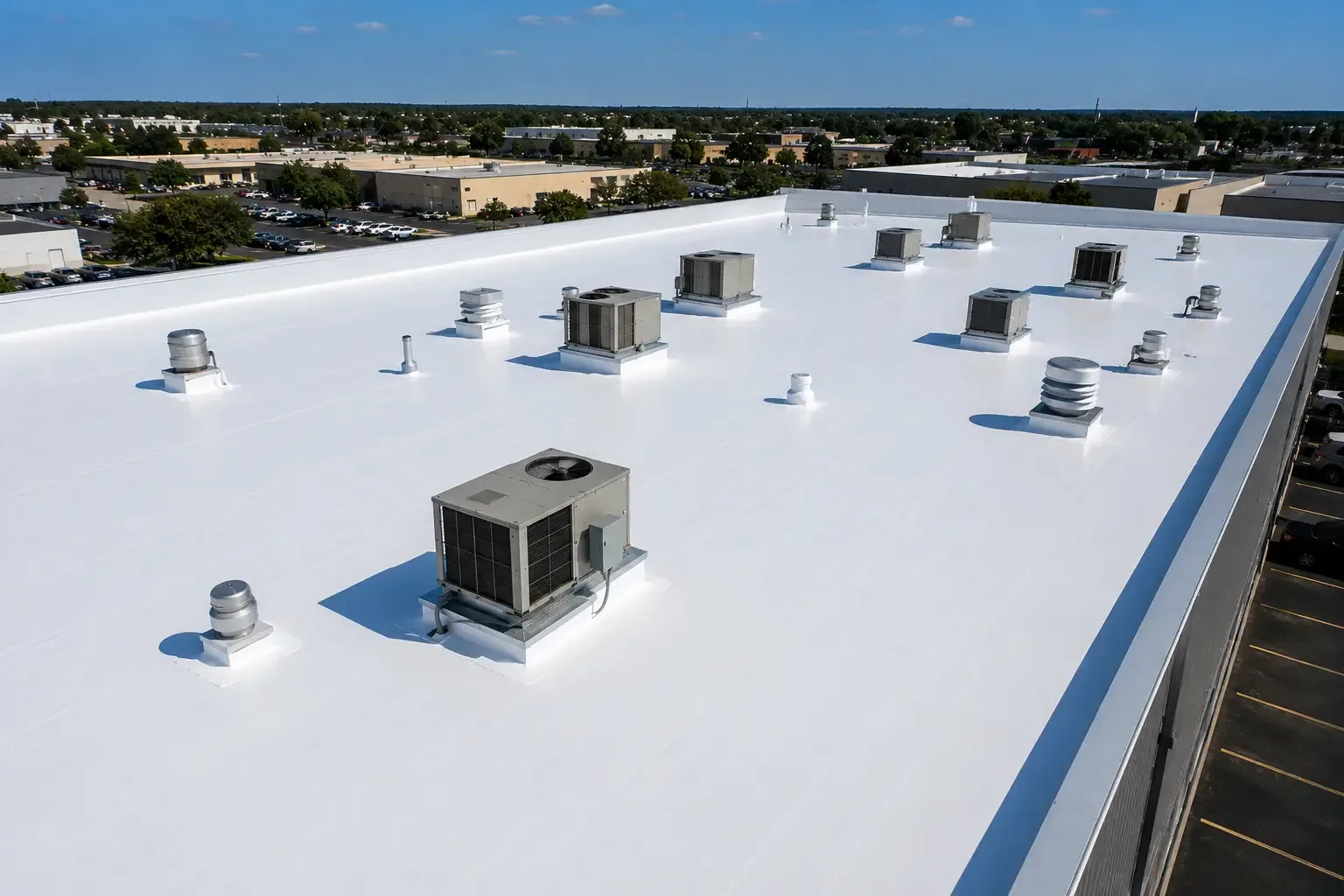
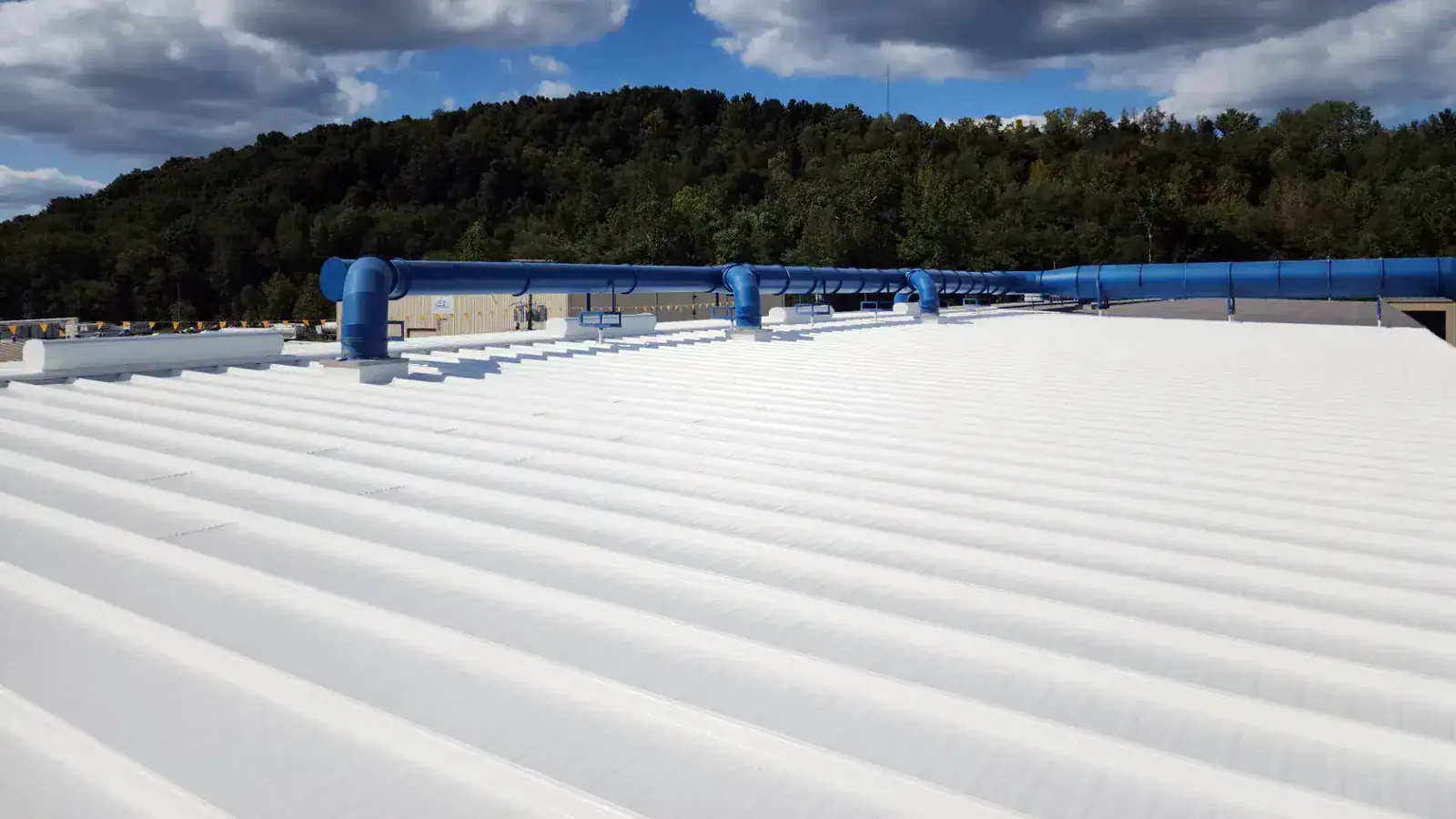
Water left beneath a prepared repair edge can interrupt the receiving condition for a silicone coating application. The surface and adjoining layers need assessment before the new finish closes that boundary. We install and repair silicone roof coating systems in Norman, OK, by evaluating the base, preparation and detail work required for a compatible application. The sequence follows the selected materials and their curing requirements rather than treating another coat as a correction for every visible change.
Ed Noble Parkway has hotels, restaurants and big-box stores. The Porter Avenue Corridor includes business and institutional uses beside residential neighborhoods. At a requested property, the roof approach, equipment service and operation below the work affect preparation and protection. We establish those actual conditions before proposing silicone restoration work. A suitable receiving base and completed connection repairs precede application across the field.
How is the receiving surface prepared for the selected system?
An old coating that releases from its base creates a different task from an intact surface needing cleaning. We examine attachment, compatibility and contamination before describing preparation. Loose material or an unsuitable earlier application may need removal. The cleaning and any primer requirements follow the actual substrate and chosen silicone system, with appropriate checks where bond suitability affects the work.
Surface dryness and other application conditions are assessed according to the selected materials. Moisture beneath retained roofing also needs investigation where it changes the restoration decision. We identify those questions before coating rather than rely on a finish to conceal the concern. Comparisons with acrylic roof coating options consider their preparation, exposure and working requirements for the requested assembly. The system choice follows the receiving material and construction conditions, giving the general contractor the operations needed before the new layer can create a useful connection.
Which seam repair must precede the field application?
An open membrane seam or moving metal junction needs a compatible correction before coating is applied over it. We inspect the receiving material and adjoining component to identify the repair boundary. Reinforcement or other detail treatment follows the selected system, while damaged support or unstable equipment may require another task. The work addresses the connection rather than only the surface mark it creates.
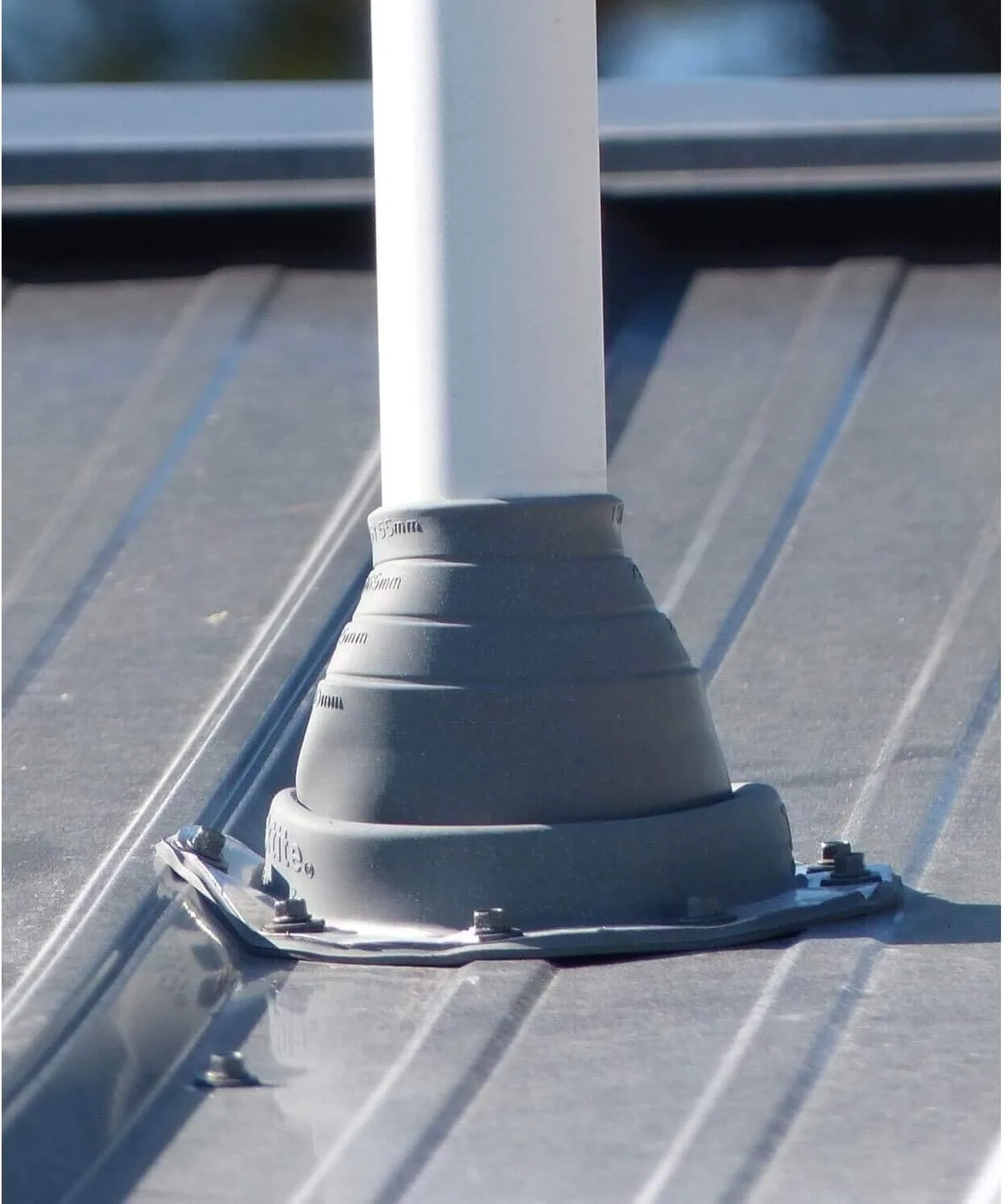
Curbs, walls and penetrations receive particular attention where access or geometry limits preparation. Our flashing transition repairs coordinate those conditions with the actual covering. A component that another trade must alter remains available until that work is ready for roofing. The detail is then completed and assessed before the surrounding coating closes access. This arrangement keeps the field application from obscuring a junction still needing support correction, material removal or inspection at its receiving surface.
What should happen to a basin that retains water?
A low basin remains a profile condition after the surface receives a new finish. We examine its outlet, surrounding elevations and material condition before selecting restoration. The actual coating's suitability and application requirements are considered against that exposure, while a blocked route or damaged drain needs correction on its own. Surface material selection does not establish the missing slope or repair an impaired outlet component.
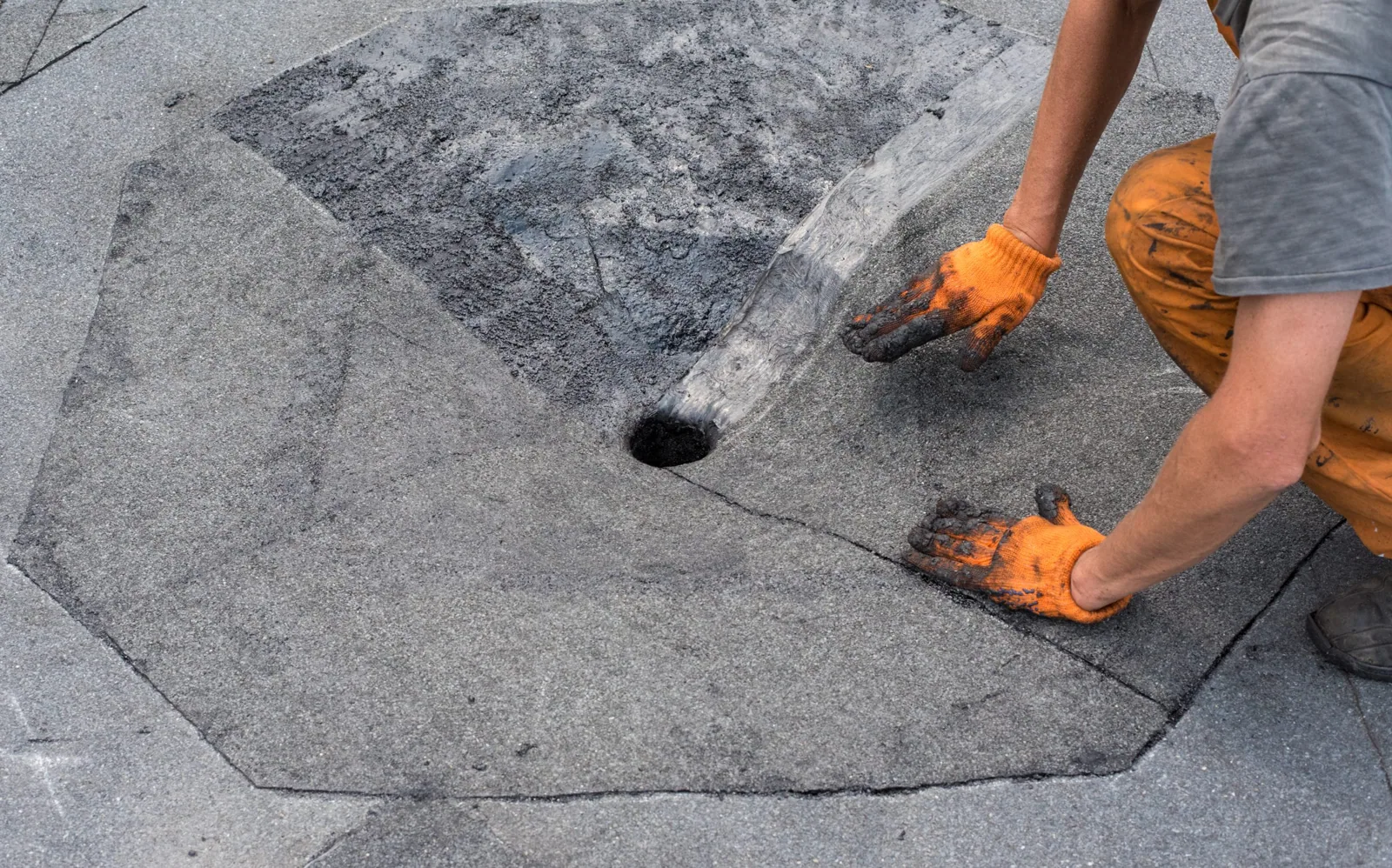
Drainage connection work can require exposure beneath the proposed coating area. We coordinate piping or receiving-component tasks before the roof-side detail is closed. Layer changes that improve flow may also alter curb or wall flashing space, so those junctions are considered together. The new application proceeds after the included drainage and transition work is complete. The building team receives the accessible maintenance points that keep the route usable, preserving the distinction between material exposure suitability and the construction needed to restore water flow.
Which conditions control application and curing?
The surface and weather window need to meet the selected system's application requirements. We assess the prepared roof, forecast and the time required for its installation and curing stages. Recent washing, precipitation or changing conditions can affect readiness. The application method and any protection for surrounding surfaces are selected for the actual project, with equipment traffic kept coordinated around unfinished material.
For a hotel property, service access and occupied-area needs can influence preparation and material handling. In the Ed Noble Parkway corridor, the requested hotel's or restaurant's operating arrangement is established with its contact. We identify working routes and restrictions needed while the coating cures. The sequence includes the detail preparation and field application, with the roof area returned to service after the relevant stage is ready. Another trade's proposed visit is coordinated so it does not damage fresh material or interrupt application at an unfinished transition.
How does silicone connect to an existing foam roof?
A damaged finish over foam can expose material that needs correction before recoating. We examine the foam condition and adjoining protective layer, then define the repair boundary. Unsuitable foam is treated or removed as required for the assembly, with the repaired profile and compatible coating restored. Application over an unassessed damaged layer can conceal the condition without providing a useful receiving base.
On a spray polyurethane foam assembly, the protective coating is part of the installed system. We identify its requirements and coordinate the material treatment with the roof's profile, curbs and outlets. Equipment contact can need a protection or access change alongside the repair. The general contractor receives the foam and finish tasks in their construction order, with the exposed receiving surface assessed before coating closes it. The completed detail restores the selected assembly rather than treating a visible finish defect as unrelated to the material beneath it.
When is more coating the wrong construction step?
Widespread releasing material, wet retained layers or deteriorated support can change the usefulness of another application. We examine the extent of those conditions and identify whether a suitable restoration boundary remains. A broader assembly option may require removal, attachment work and new detail construction instead. The comparison follows the physical findings and the requirements of each proposed system.
A new TPO membrane option can be assessed where renewal is appropriate, with its own receiving layers and transitions identified. If silicone restoration remains suitable, later care uses methods and repair components compatible with the application installed. Cleveland County normals include hot weather and freezing nights, providing seasonal context for inspecting movement at coated junctions. The actual component arrangement determines the assessment points. We identify the completed areas and material information for the building team so future cleaning, equipment work and repairs preserve the coating's receiving connection and the details restored beneath it.
Related Work

Commercial Roofing Questions
Can an old silicone finish receive another application without preparation?
Assess attachment, cleanliness and compatibility first. We identify the cleaning, removal or primer work required by the selected system. A releasing layer or damaged underlying material needs correction before another application closes the area.
Will silicone application correct an open curb flashing seam?
The seam needs a compatible detail repair and a suitable receiving component. We examine its cause and any movement or support task affecting it. Field coating follows that correction rather than substituting for unfinished flashing construction.
Should a retained water basin be evaluated separately from coating selection?
Examine the profile and outlet alongside the material's suitability for the exposure. We identify blockage, damaged connections and slope questions as separate tasks. The restoration scope coordinates those corrections before the selected coating is applied.
How do you repair a coating opening over foam?
Check the affected foam and surrounding finish before setting the boundary. The repair restores suitable material and the protective coating required by the assembly. We also identify the equipment contact or access change needed where service activity caused the opening.
Check the surface and detail repairs before silicone application
Provide the Norman property location, existing coating and roof information, affected boundaries and trade schedule. We will assess preparation, curing conditions and the repairs needed for a compatible system.
Request a Roof Assessment