
Roof Systems
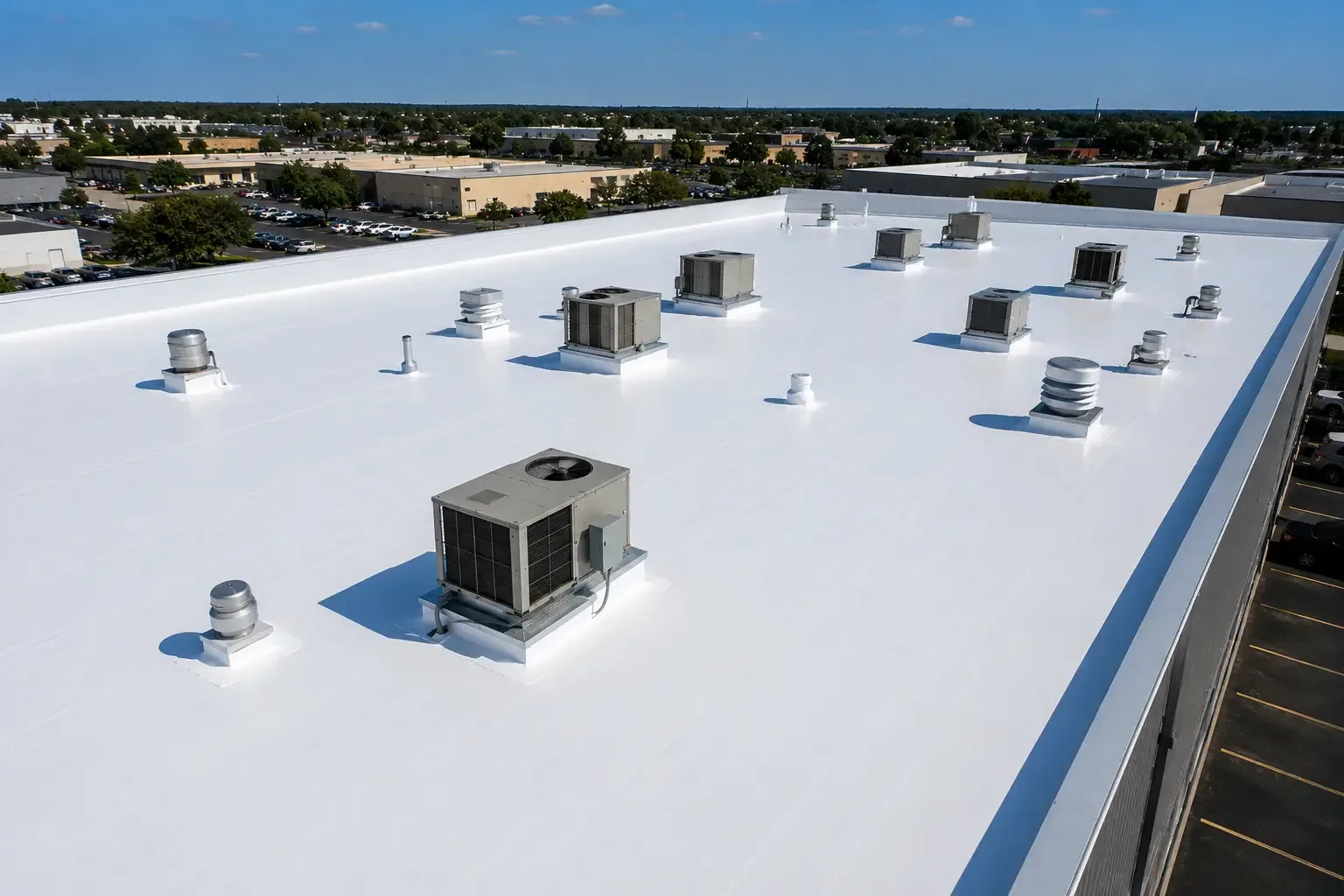
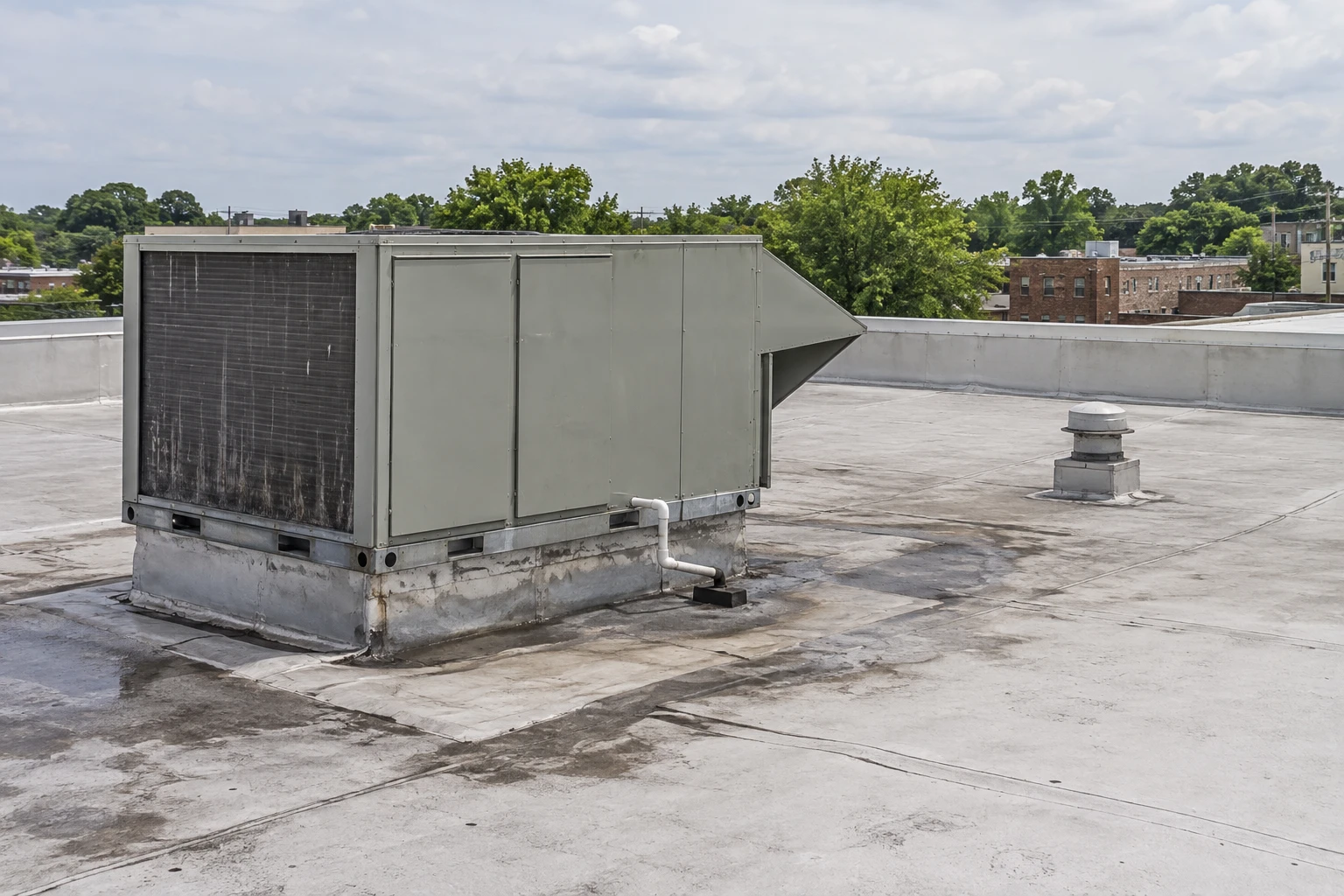
Foam added beside a low equipment curb can reduce the height available for its roof transition. The proposed profile needs examination with the curb before the receiving surface is prepared. We install and repair spray polyurethane foam commercial roofing in Norman, OK, by coordinating substrate condition, foam placement and the protective coating with adjoining details. The assembly is selected for the actual roof and application conditions, with support and layer questions resolved before new material covers the base.
Northwest Norman contains retail, offices and specialty medical uses, while Goldsby has industrial and flex properties. At a requested building, equipment access and the operation beneath the roof can affect preparation and the work window. We establish those conditions before selecting a protective coating restoration approach or new foam work. The detail follows the installed material and the receiving surface, including any layer or component correction needed first.
What condition can receive the sprayed foam?
A dirty, damp or releasing surface can interfere with the connection the foam application needs. We identify the existing covering and assess its preparation, compatibility and attachment before proposing retention. Unsuitable material may need removal to reach a dependable base. The selected system's application requirements guide the surface treatment and any preparation checks needed at the property.
We also investigate concealed moisture where retained layers affect the assembly decision. Surface appearance does not establish that insulation or deck material beneath the covering remains useful. A suitable moisture investigation can help select confirmation points, with physical findings related to the areas examined. The work boundary then includes both the material requiring correction and the receiving surface needed for the new application. Foam placement proceeds after those layers and their attachment are assessed, rather than being used to conceal an unresolved base.
How does the foam profile connect to drainage?
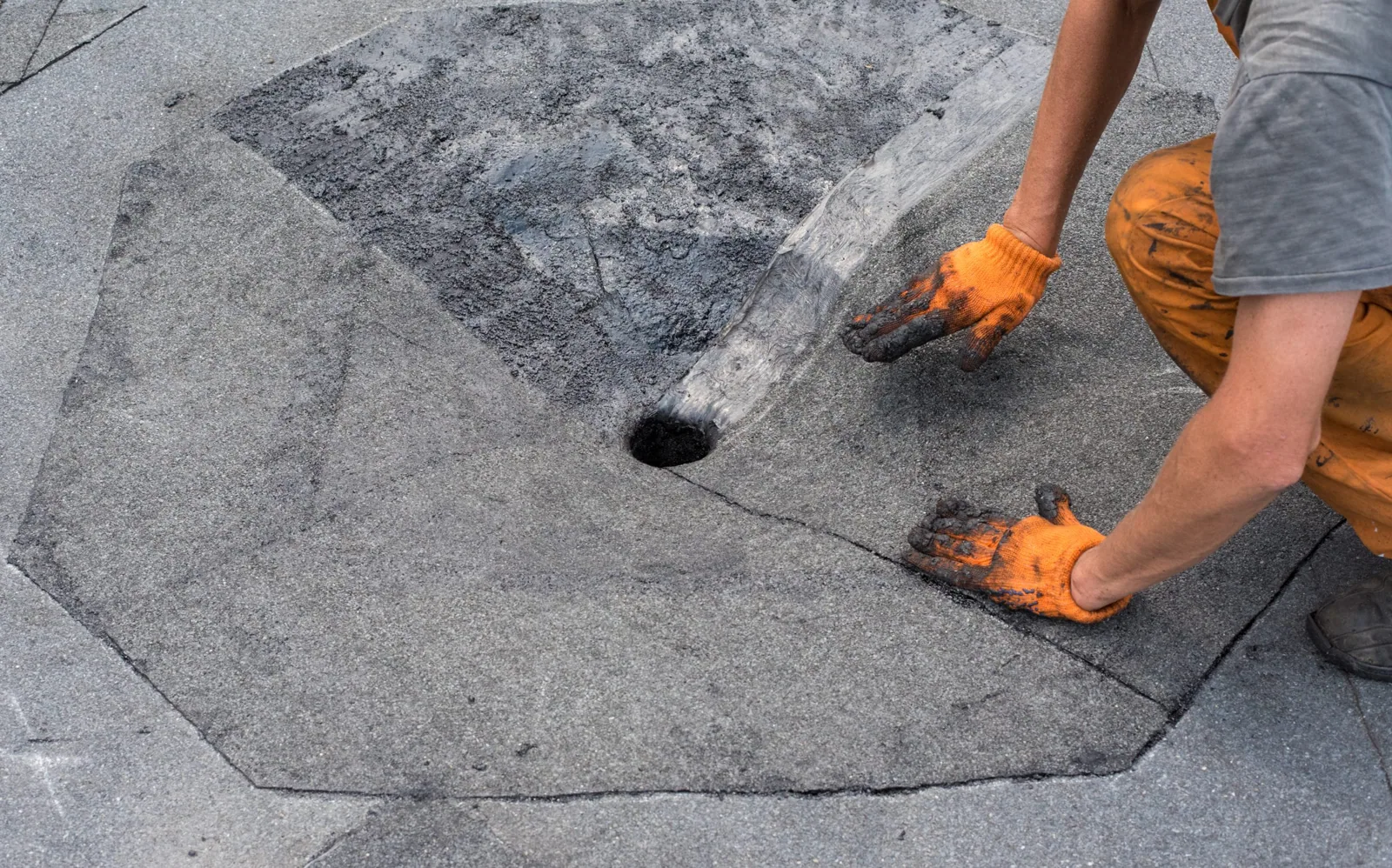
Foam can form a shaped receiving surface, but the intended profile must connect to suitable outlets and adjoining roof areas. We examine elevations and flow routes before defining the application. A low basin, obstructed route or drain in an unsuitable position for the new build-up needs a specific correction. Profile changes are considered through the whole affected area rather than only at the point where water was reported.
The proposed thickness can affect curb height, door thresholds and perimeter details. We coordinate outlet reconstruction and flow corrections with those interfaces before application. The resulting detail needs room for a compatible transition and a usable path into the drain or scupper. Any piping or component task belonging to another trade is identified early. The general contractor can then sequence receiving-base work and outlet alterations before new foam and coating close the area, leaving the corrected water route available for inspection at the appropriate stage.
Which working conditions affect placement?
Foam application depends on the selected material, equipment and surface conditions. We assess the proposed work period against weather and the receiving roof, following the system's application requirements. Wind and nearby activity can change the protection needed for surrounding surfaces. The working area is coordinated before spraying so adjacent vehicles, equipment and occupied routes are accounted for.
In Northwest Norman, the requested office or retail property's operating pattern helps establish that protected area. We discuss access, equipment servicing and material routes with its contact. The application window includes preparation and protective coating work, not only placement of foam. Where conditions become unsuitable, the next step follows the material requirements and the protection needed for the exposed work. This planning keeps application tied to the actual surface and adjoining operation rather than treating a requested calendar date as proof that the receiving conditions are ready.
What shields the foam after placement?
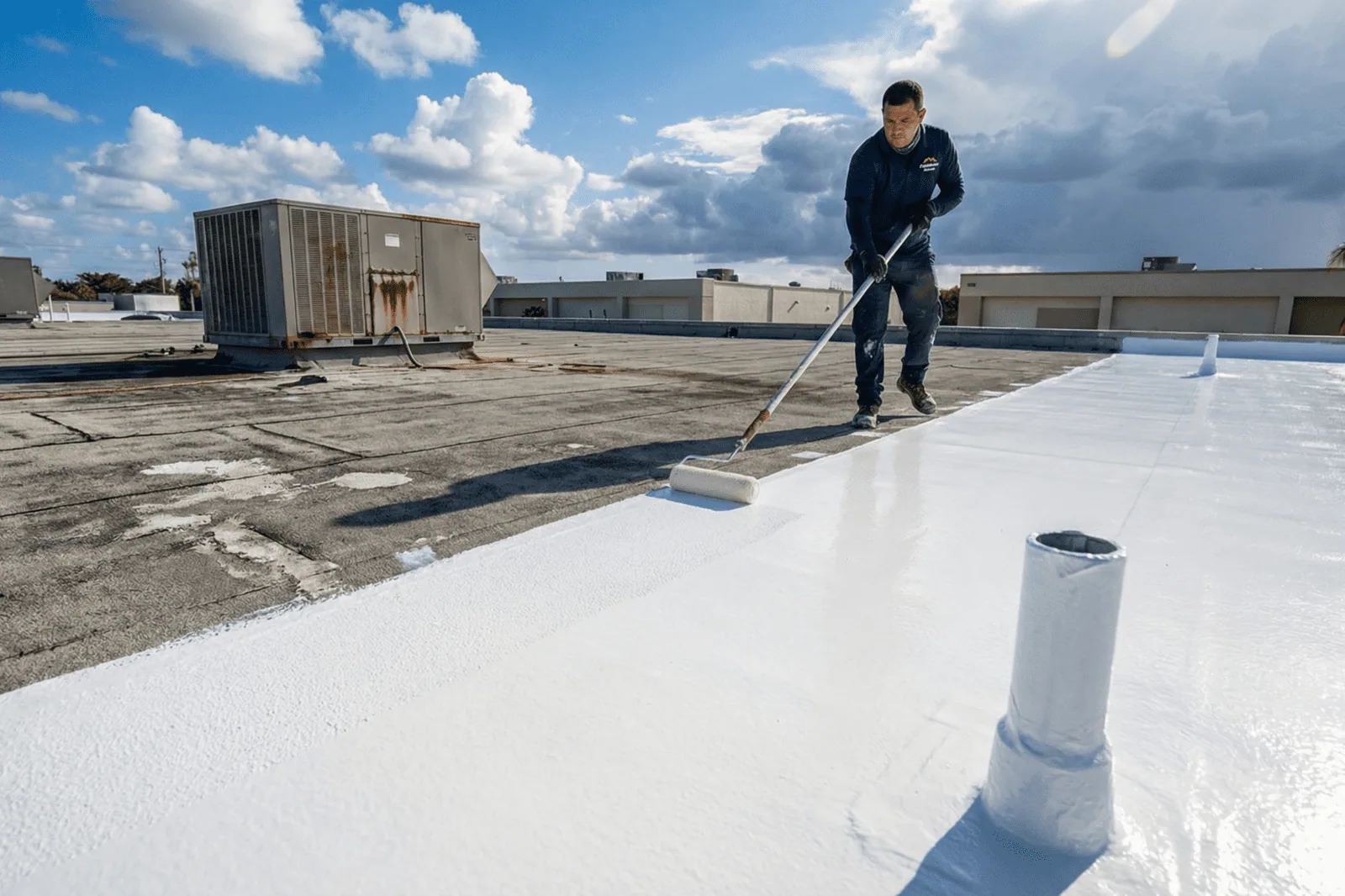
The foam roofing assembly requires its selected protective coating to address exposure and complete the system. We assess the surface and detail preparation before coating application, following the requirements for the installed materials. Open foam, damaged finish or a poorly connected repair needs treatment suited to the actual condition. The coating and foam are evaluated as connected layers rather than independent products.
A silicone protective application or another compatible system is selected against the project and receiving material. Material coverage, surface preparation and curing requirements follow that application. Equipment traffic can also require suitable protection above the finished assembly. We identify routes and components that could puncture or abrade the roof during service. Those arrangements are coordinated with the building team before the area returns to regular use, allowing the coating to cure and the completed foam assembly to retain the protection provided at its details.
How is damaged foam returned to a useful boundary?
A puncture or damaged coating area can expose foam to water and weather. We examine the affected material and adjoining finish before choosing a repair boundary. Deteriorated foam may need removal, with the repair reaching sound material and restoring the protective layer. The replacement profile must also fit the surrounding drainage and detail arrangement so the corrected area does not create a new collection point.
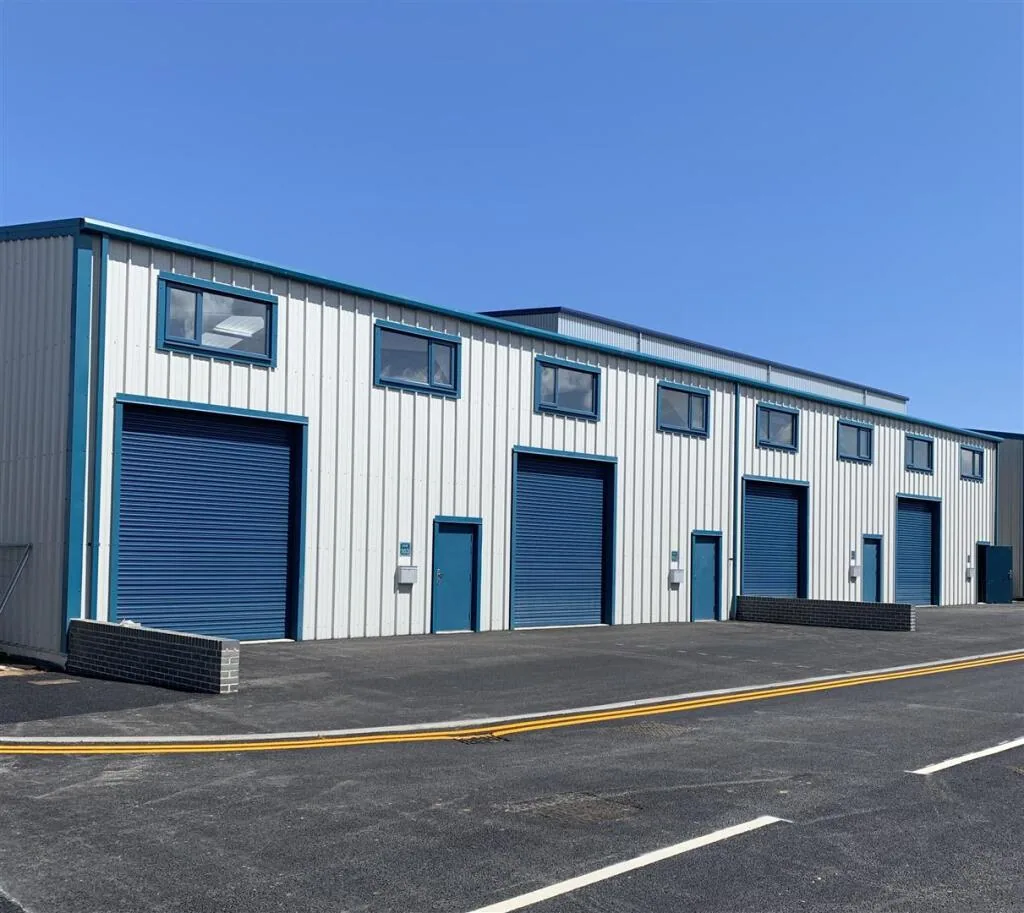
For a flex industrial property, service activity can influence the repair window and protection around rooftop equipment. The production and staging activities associated with Goldsby’s flex properties make the requested building’s service movements relevant to that arrangement. The component creating contact or its actual condition is identified alongside the roof damage. A comparison with compatible acrylic coating work may be relevant to the installed system, but repair selection follows its material requirements. The completed patch restores foam and finish as required, with the adjoining support or equipment task addressed before closure.
Which surface changes warrant examination?
Wear, a new opening or a damaged protective finish calls for assessment before another coating is applied over it. We examine the receiving material and identify the preparation or foam correction required. Cleaning methods need compatibility with the installed assembly, and new service damage is checked for its effect on the layers beneath the finish. The visible mark is related to the actual material condition.
Cleveland County normals include hot weather and nights below freezing, giving seasonal context for examination of movement and exposure at foam roof interfaces. The requested roof and component arrangement determine the points assessed. Later care includes accessible outlets, curbs and service routes, with protection maintained after equipment work. Located information about repairs and installed materials helps a returning crew choose compatible treatment. The handoff identifies the completed profile and protective finish, allowing maintenance to follow the assembly constructed rather than a generic instruction to apply more coating wherever the surface changes.
Related Work
Commercial Roofing Questions
Will added foam change the usable curb height?
The new profile can reduce the space available for the roof transition. We check the proposed thickness against the curb, equipment and outlets before application. Necessary component changes are coordinated so the foam and protective finish close onto a suitable detail.
Can foam be applied over a damp retained roof?
The receiving surface and concealed layers need assessment for the selected system. We investigate moisture where it affects retention and identify required removal or preparation. New material proceeds after suitable receiving conditions are established rather than covering an unresolved wet layer.
How do you repair foam exposed by a service puncture?
Examine the affected foam and surrounding coating before setting the boundary. Unsuitable material is removed as needed, then the profile and compatible protective layer are restored. We also identify contact or access changes required to avoid repeating the same service damage.
Should spraying be scheduled independently of coating work?
The selected assembly requires a coordinated placement and protection sequence. We assess weather, surface conditions and the system's timing requirements together. The work period includes the protective application needed to complete the foam roof, along with controls for adjoining operations.
Assess the foam profile and receiving roof
Provide the Norman-area property, existing layers, curb or surface concerns and operating schedule. We will examine preparation, drainage and the protective finish needed for the proposed foam installation or repair.
Request a Roof Assessment