
Service Areas
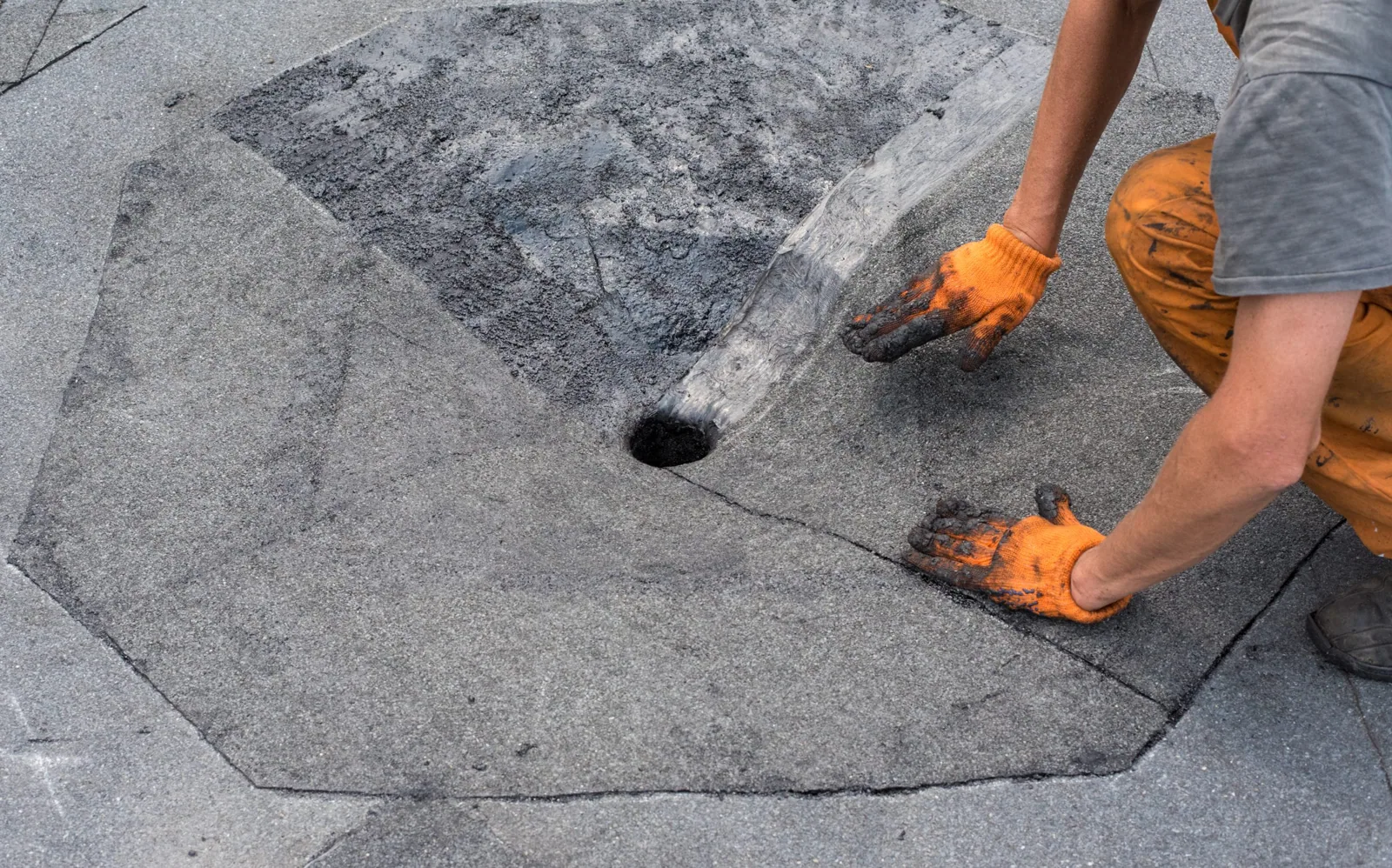
Roof work at Blanchard's downtown business properties and shopping areas includes examination of the field profile beside raised components. A tapered saddle ending before a curb corner can leave a low pocket where water rests against the flashing. We inspect that unfinished surface transition before assigning another membrane strip. The receiving profile may need reconstruction so a compatible roof repair connects to a usable route toward the outlet.
U.S. Highway 62 passes through Blanchard southwest of Oklahoma City. The city has a downtown business district as well as modern shopping areas and belongs to the Tri-City area with Newcastle and Tuttle. For a requested property, commercial roof drainage and transition assessment follows its actual component and field covering. Clearing an outlet, rebuilding a saddle and repairing a damaged sheet are distinct tasks. We identify which receiving condition needs correction before permanent material closes over the low pocket beside the curb.
Where does the intended slope stop carrying water past the curb?
A saddle may divert flow along part of a component while leaving an abrupt end at its corner. We follow the surface and inspect the adjoining membrane, replacement layer height and approach to the outlet. A low pocket can remain even when the drain itself is clear. The component geometry and field profile are examined together before selecting the construction needed to resolve that transition.
Where the broader drainage arrangement needs design review, the appropriate professional addresses that question before roofing reconstruction. Insulation and board work at the curb saddle follows the selected profile and usable support. We remove unsuitable material and establish a suitable receiving surface for the new covering. The component's usable flashing height is checked with the proposed layers. The permanent membrane then connects through the rebuilt corner, with inspection of the field and flashing junction before equipment placement limits access. A smooth outer patch alone does not change the low profile left by an incomplete saddle.
What preparation does the retained roof need beside the new profile?
A sheet exposed to water or service contact at the pocket can have deterioration beyond the most visible split. We identify the membrane family and examine its usable receiving boundary before selecting a repair. Earlier patch material or coating can affect preparation. The joining area needs suitable sheet and working access around the reconstructed change in plane.
Compatible roof repair beside the curb transition uses the actual assembly and required connection method. Thermoplastic sheet follows suitable welding conditions and completed-seam checks. Rubber or bituminous details follow their compatible preparation and application. We assess the connection at the corner and its relationship to the component. A new saddle that raises the field too close to an unfinished curb junction requires correction before closure. The component and membrane stages are coordinated so the rebuilt profile receives proper flashing rather than leaving another narrow or inaccessible connection at the end of the repaired slope.
How do the downtown and shopping uses change the work boundary?
Blanchard's downtown business district and modern shopping areas give requested roof projects different operating arrangements to examine. We locate the curb task and identify the affected space below, material route and component access. The property contact coordinates entrances and relevant service activity before exposure. The installed profile and material findings establish what must be removed and reconstructed.
Commercial roof coordination in Newcastle and roof work in Tuttle also follow each requested property within the Tri-City area. For the Blanchard building, the construction plan identifies the saddle, component and joining tasks available for completion during the working period. A new finding at the support is reviewed before removal expands. Temporary protection is staged for the actual unfinished layers, not merely the visible sheet edge. The operating arrangement supports those receiving tasks so the project can prepare and inspect the corner before returning equipment or service contact to the repaired area.
Which material beneath the low pocket can remain?
Water through a damaged junction can affect insulation or supporting boards outside the surface defect. We investigate the material question relevant to retention and examine layers at suitable access points. The findings distinguish usable adjoining construction from affected material requiring removal. A support concern that needs structural review is addressed by the responsible professional before new layers enclose the base.
Moisture investigation at the curb-side pocket can assist material checks when conditions allow. The usable reconstruction boundary is selected from those actual checks and the proposed detail. Replacement materials must receive the saddle profile and compatible membrane without preserving an unstable or wet lower layer. We coordinate any component-height task before placement, maintaining access to inspect the receiving construction. The corrected roof then connects to a suitable base and discharge profile rather than covering the original pocket while an underlying condition remains unfinished beneath the new assembly.
What should renewal and later service preserve at the repaired slope?
A recover can change the saddle and field height beside the curb. Replacement can permit a revised profile but adds removal and base-access tasks. We assess retained moisture, attachment and the proposed component relationship before comparing those alternatives. The new covering needs a workable outlet approach and usable flashing clearance, with support or loading questions reviewed where the project requires them.
Recover evaluation through the existing component profile identifies those receiving tasks before the roof method is selected. Cost and timing follow the affected layer extent, preparation, component modification and access needed at the property. A field material choice cannot substitute for a suitable slope and flashing arrangement. We inspect the actual geometry and establish the construction stages required to close it through ready material.
Where two tapered surfaces meet, their intersection also needs examination. A ridge can redirect water successfully on one side while the adjoining valley still stops short of discharge. We check that combined profile before membrane placement and identify the preparation needed at its meeting line. The field connection follows a supported surface, with the component and outlet tasks coordinated before the new assembly is enclosed.
Later maintenance examines accessible drainage and new sheet or component damage. Clearing debris is separated from a profile defect that still holds water. Equipment placement and walkways are reviewed where they contact the repaired corner or interrupt discharge. A changed condition receives its own compatible preparation before another roof treatment is assigned. The next construction task preserves the rebuilt saddle and suitable receiving boundary, with inspection available before later placement makes the corrected connection difficult to examine.
Related Work

Commercial Roofing Questions
Will a clear drain remove a low pocket left beside the curb corner?
Follow the field profile into the outlet and inspect where the saddle ends. An incomplete slope can hold water despite a clear component. We coordinate the layer and drainage correction before compatible roofing closes the reconstructed transition.
How should a new saddle profile be checked against existing flashing height?
Compare the proposed surface with the curb's usable receiving detail. Raised layers can reduce preparation and connection space. We identify component modifications before placement so the membrane has workable clearance around the corrected corner.
Can the visible split establish which underlying layers remain suitable?
Investigate the material condition relevant to retention rather than using the surface outline alone. Moisture and board damage may extend farther. We examine suitable openings and reconstruct through usable adjoining materials before permanent roof closure.
What should be preserved when equipment service resumes near the repaired slope?
Identify the completed membrane and discharge profile before returning contact. We assess equipment placement and service materials at the corner. A new obstruction or changed contact is corrected so it does not interrupt the rebuilt water route or damage the finished connection.
Complete the Blanchard curb-side profile before roof closure
Provide the property location, low pocket, installed covering and component work planned at the corner. We will examine receiving layers and discharge before selecting compatible reconstruction.
Request a Roof Assessment