
Commercial Roofing Services
A reflective finish placed over a poorly bonded surface can release at the interface even while its color remains unchanged. The receiving material therefore needs assessment before reflectivity becomes the basis for selection. We install cool commercial roofs in Norman, OK, by considering the covering, insulation, drainage and adjoining details as one assembly. The surface choice follows the building conditions and the construction work needed to provide a dependable connection beneath it.
Cleveland County normals record 69 days annually above 90 degrees Fahrenheit and 10 above 100. Those county figures make summer exposure relevant to a roof decision, while the requested building's insulation, operation and assembly affect the practical result. In University North Park, hotel and retail uses can also influence access and work timing. We examine those conditions before selecting a reflective TPO assembly or another suitable system for the property.
Which reflective option fits the installed roof?
A new reflective membrane and a coating applied to retained roofing involve different receiving conditions. We examine the existing layers, their attachment and their suitability for the proposed work. A membrane replacement can remove damaged layers and reconstruct details, while restoration depends on a sound, compatible base. Reflectivity alone does not establish which construction approach is appropriate.
Our coating restoration assessment considers preparation, bond and detail repairs before an applied system is proposed. Where removal is needed, the new assembly is selected against the deck and building requirements. The surface material also needs to suit equipment traffic, drainage and later repair access. We explain those interfaces so the general contractor can compare actual construction tasks rather than choose a roof based only on surface appearance. The resulting detail describes what supports the reflective layer and how it connects to curbs, outlets and perimeter components.
How does the surface relate to the insulation below?
Solar reflectance affects the energy the roof surface absorbs, while insulation changes heat transfer through the assembly. Those functions are related but separate. We review the proposed insulation, retained layers and covering together, with design input where the building's requirements call for it. A reflective surface is considered alongside the entire construction instead of being treated as a replacement for suitable insulation.
The requested building's use and mechanical operation can affect the assessment. At a commercial office property, operating periods and rooftop equipment provide information relevant to assembly selection and installation scheduling. We do not assign an energy saving before the building and system are evaluated. The practical roof work establishes the required layers, attachment and interfaces. Where thermal or moisture behavior raises a design question, it is addressed before the covering closes the insulation arrangement, preserving the receiving conditions needed for the selected application.
What happens to damp retained material?
Moisture beneath an existing membrane can change a proposed reflective recover or restoration into a removal task. We investigate suspect areas using methods appropriate to the assembly, then relate the findings to the retained-material decision. Confirmed deterioration needs treatment before new layers are installed. The removal boundary also has to provide a useful tie-in and support for the selected covering.
A new insulation and cover board arrangement can affect both surface support and flashing height. We examine curbs, outlets and walls against that build-up before choosing the final details. If the new profile makes an existing termination unsuitable, its alteration belongs in the construction sequence. The general contractor receives those adjoining tasks with the material scope, allowing roof preparation and component changes to proceed in the required order. The reflective layer then closes an assembly whose retained and replacement materials have been assessed for their actual condition.
How should installation fit the occupied property?
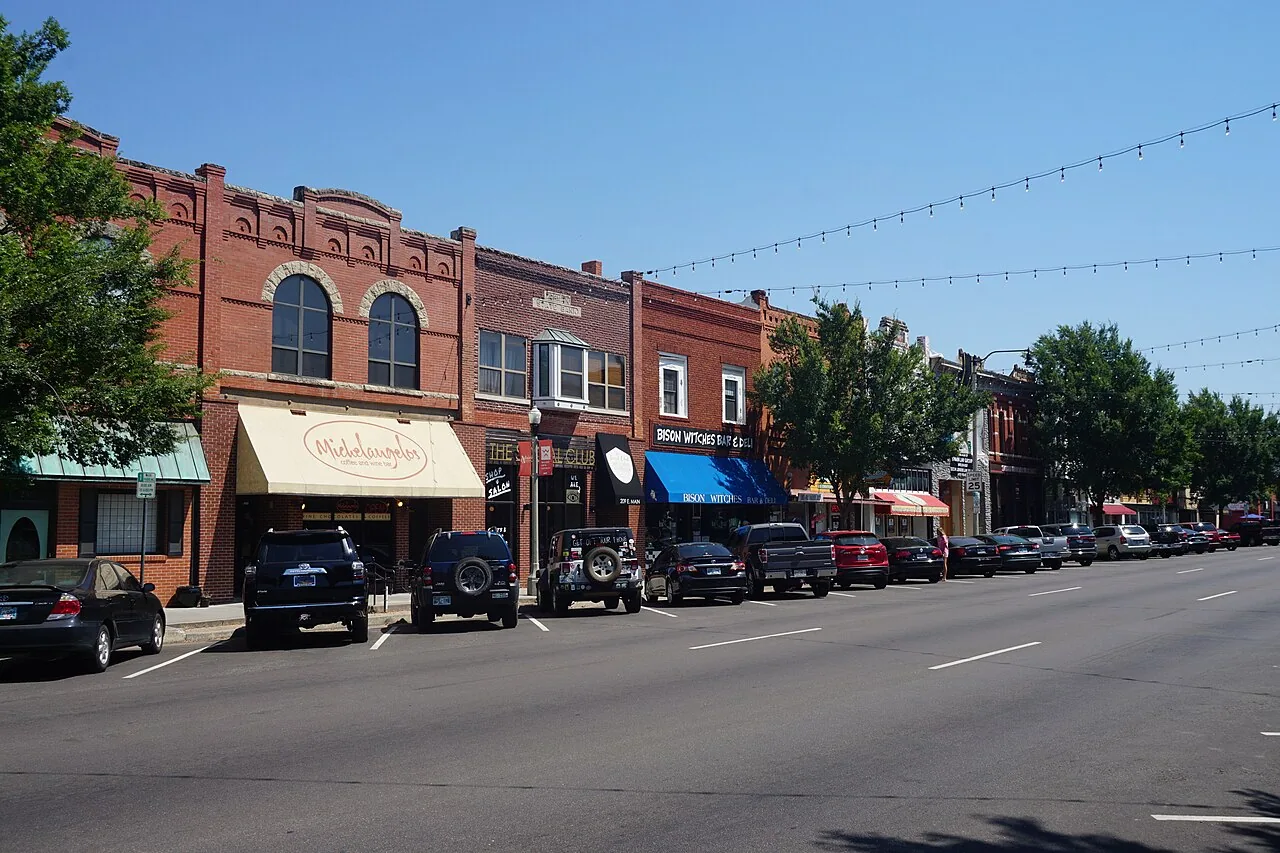
University North Park has several hotels and retail uses in its southern portion along Interstate 35. At a requested building in University North Park, entrances, delivery movements and equipment service can affect material placement and roof access. We establish those requirements with the property contact before removal or preparation begins. The work area is selected against the ability to complete its connections and restore water control during the available window.
Northwest Norman's offices and specialty medical uses bring different operating needs to a requested roofing project. We coordinate interior protection and the construction stage that affects each occupied area. Washing for a coating application and removing an old membrane require different arrangements, so they are described against the chosen method. Freshly applied or newly installed material also needs protection from other trades. We identify the service routes and closure points that allow equipment work to continue without damaging unfinished roofing or interrupting preparation at a critical interface.
Where does the reflective assembly meet the outlet?
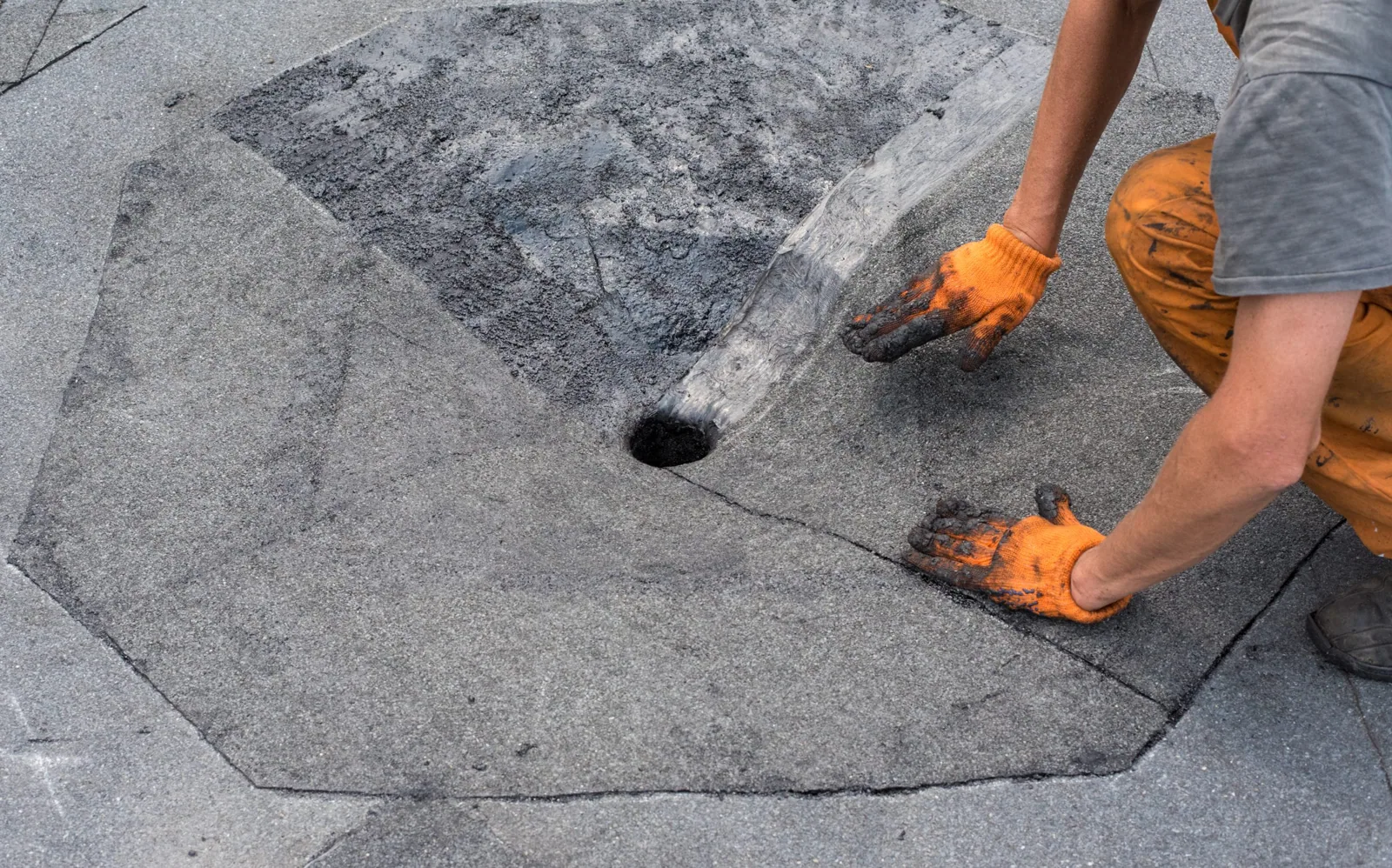
Raised insulation can change the basin around a drain even when the new covering is selected for a similar roof system. We examine local elevations, outlet components and flashing space before the surface is installed. The roof should direct water to a suitable connection, with retained low areas assessed separately from surface material selection. A reflective covering cannot correct an unsuitable outlet profile by itself.
Drainage detail reconstruction is coordinated with the chosen assembly where needed. On a PVC membrane roof, compatible preparation and welding follow the installed sheet and outlet arrangement. A coating proposal requires its own surface preparation and transition detail. We identify the method after examining the actual connection, including any piping or support task assigned to another trade. The outlet remains accessible until the receiving components are ready, then its flashing is completed with the adjoining field so the new water path and surface work together.
What changes as the surface is used?
Deposits, debris and equipment activity can change the exposed surface over time. Maintenance should use methods compatible with the covering and address the roof connections as well as its appearance. We identify areas where service traffic needs protection and where deposits warrant assessment before cleaning. The roof remains a working assembly with seams, flashing and drainage that need examination after relevant changes.
The building team receives the installed material information and the details altered during construction. Later repair selection can then account for the actual receiving surface rather than rely on color alone. We explain inspection points around equipment, outlets and repaired transitions, along with the work boundaries left to other trades. Reflective roofing is maintained through those physical interfaces: debris is cleared appropriately, new damage is assessed and equipment changes are coordinated with compatible closure. That handoff supports the next construction or maintenance task on the roof installed.
Related Work
Commercial Roofing Questions
Can a reflective coating be selected before the old surface is tested?
Examine the covering, preparation needs and bond condition first. An applied system needs a suitable receiving material and compatible detail repairs. We establish whether restoration is appropriate before choosing its coating and application sequence.
Will a cool roof remove the need for insulation work?
Reflectivity and insulation perform different functions in the assembly. We review the proposed layers and building requirements together. Damaged insulation or an unsuitable build-up needs its own correction before the reflective surface is installed.
How do we compare a reflective membrane with coating restoration?
Compare the retained-material condition and the construction tasks each option requires. We explain preparation, removal, attachment and adjoining detail changes. The suitable choice follows the actual assembly and building use rather than surface color alone.
Should equipment trades use the new roof during application?
Coordinate their routes and timing with the working and curing requirements of the selected system. We identify protected access and the connections that must remain clear. Interfering service tasks can be sequenced before installation or after the affected roof area is ready.
Select the reflective surface with its supporting assembly
Provide the Norman property location, existing roof layers, planned equipment work and construction date. We will assess the covering options and the insulation, drainage and transition tasks they require.
Request a Roof Assessment