
Commercial Roofing Services
Proposed ballast above a deteriorated deck area changes the project decision before a solar array is placed. The responsible structural professional needs to assess the receiving structure and proposed loading, while the roofing scope establishes which existing layers require correction before retention can be considered. We prepare commercial roofs for solar work in Norman, OK, by examining the assembly, proposed support interfaces and remaining repair needs with the project team. Our roofing scope coordinates compatible covering and flashing work with the solar, structural and electrical tasks responsible for the array.
Norman's commercial stock along Interstate 35 includes retail, hotels and dealerships. Goldsby has industrial and flex properties used for office, production and staging activities. For a requested building, roof condition and the actual array plan determine the preparation task. We establish those details before recommending roof replacement before array installation or more contained work. The decision considers the materials that would remain beneath equipment and the access needed to maintain their connections.
What would become difficult to reach after installation?
An older repair beneath a proposed panel location deserves examination before the array is set. We assess the membrane, seams, transitions and drainage in the working area, with additional investigation where concealed material affects retention. The useful question is whether those components can receive the planned preparation and remain maintainable afterward. Surface appearance alone does not establish the condition of insulation or attachment below it.
A pre-array roof assessment identifies existing defects and the component information needed for the project decision. We locate the concerns against the proposed layout, allowing the team to consider repair access and sequencing. Confirmed deterioration may require correction before supports or panels limit the work area. Where the roof needs a larger renewal, we explain the removal, insulation and detail tasks involved. The solar plan and roofing scope can then be coordinated before equipment installation makes a future membrane or drain correction more complicated.
Which trade establishes the support and load path?
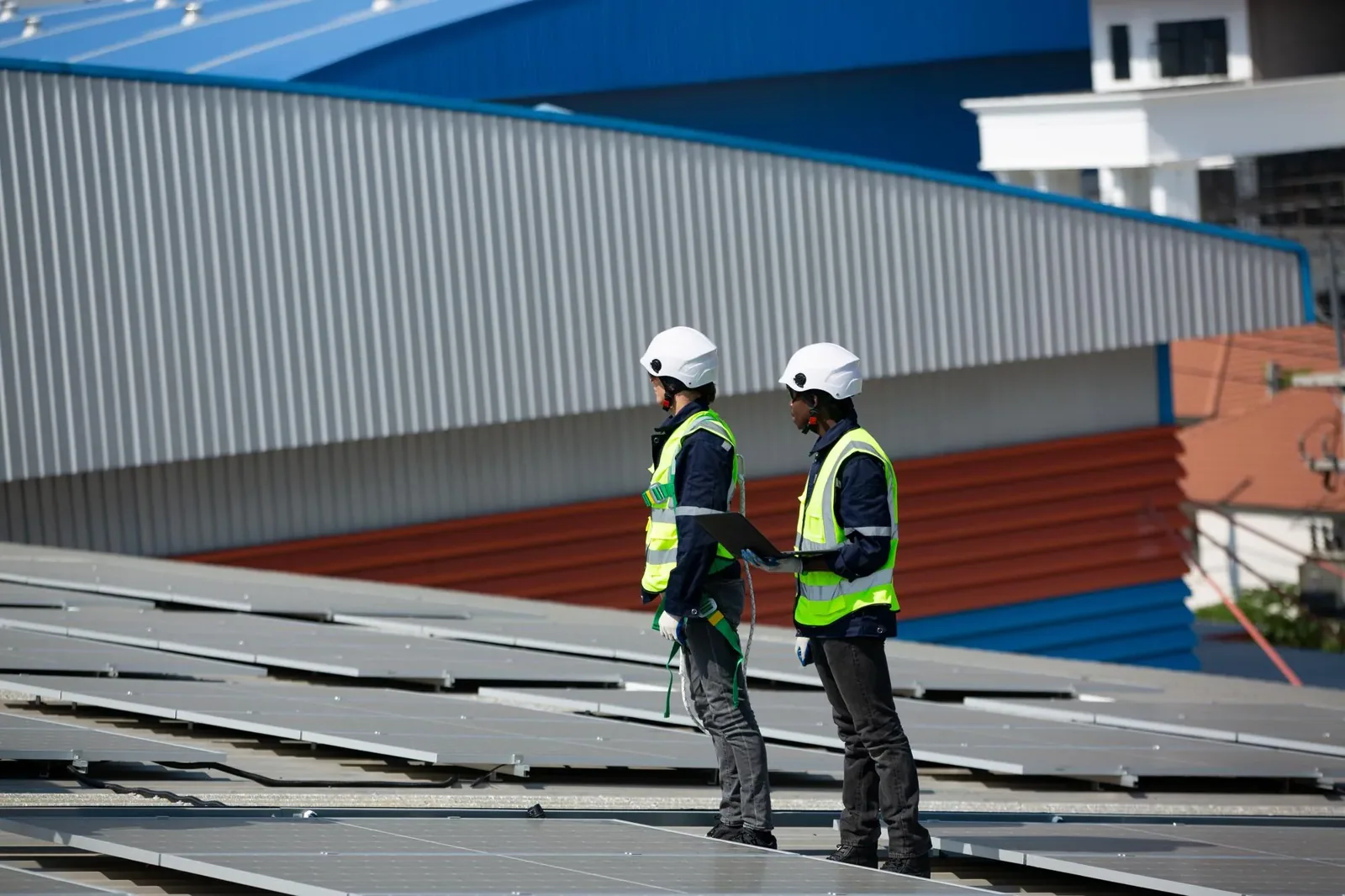
A solar mounting arrangement needs structural assessment and equipment design appropriate to the building. We coordinate the roofing interfaces with the responsible project team, identifying where the selected support contacts or penetrates the roof. The membrane maintains water control; it is not assigned the job of supporting an array load. Existing deck and assembly information helps determine what must be examined before the mounting detail is finalized.
Our coordination of roof-mounted supports addresses the covering, protection and flashing around the components supplied for the project. Penetrating and nonpenetrating arrangements present different roof questions. A penetration requires a compatible seal and supported component, while a bearing arrangement needs its contact and protection assessed against the covering. We identify which roofing task follows the support work and the point that must remain available for examination. Installation proceeds with the receiving detail ready, rather than placing equipment before the roof interface has a completed construction plan.
How will the array affect drainage and service routes?
Equipment placed near an outlet can limit access to clearing and inspecting that component. We examine the proposed layout with the roof's flow route, including basins, curbs and overflow provisions where present. The installation arrangement should preserve the access needed for drainage work and avoid leaving materials or components where they interrupt flow. Changes required by the project team are identified before the array closes the area.
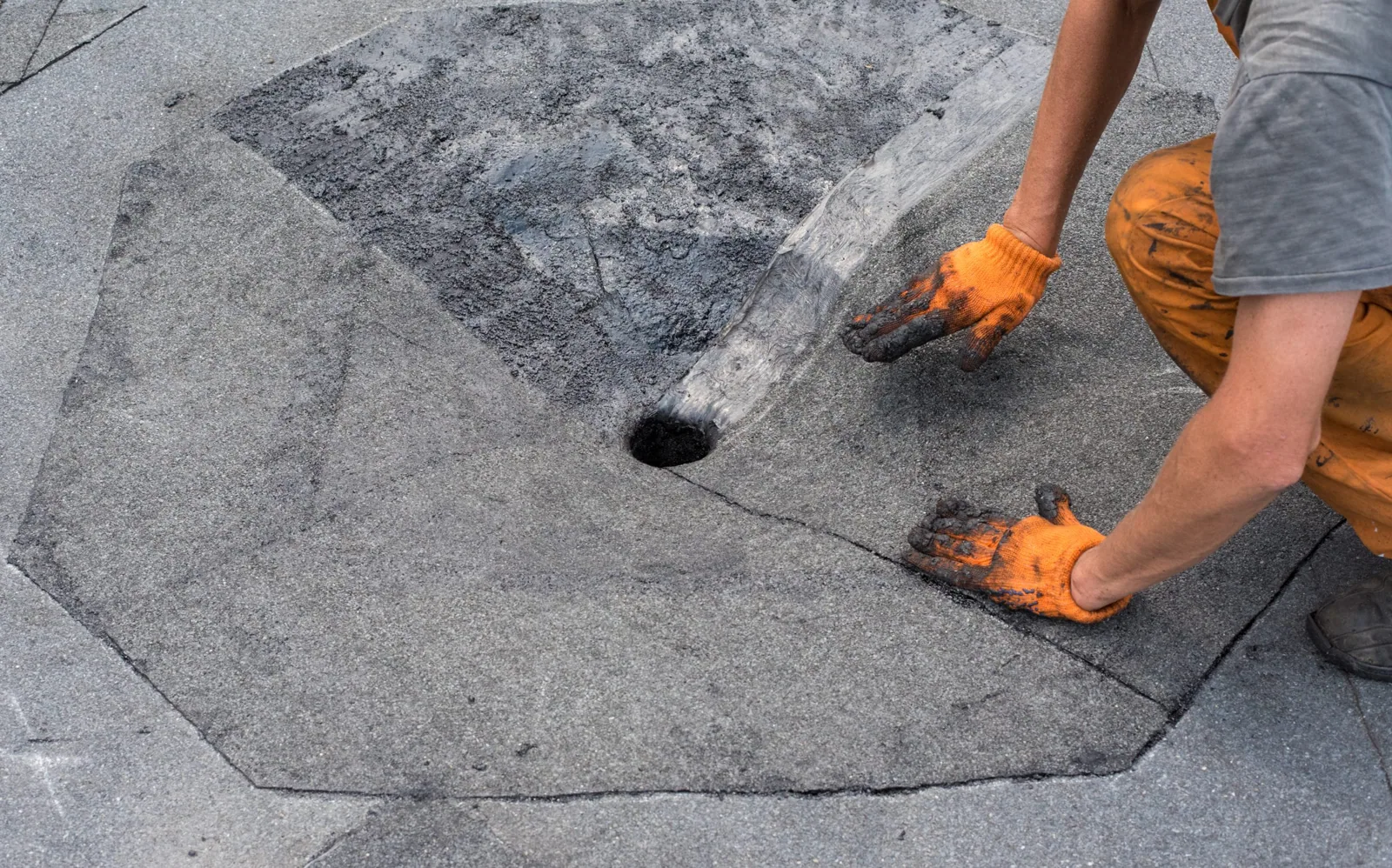
Drain and scupper corrections may belong in the preparation scope where an existing connection or slope concern needs work. We coordinate the proposed layer heights and support positions with those details. Equipment service routes also need appropriate protection for the installed covering. At a retail property with occupied sales areas, delivery and interior protection requirements can influence the roof work window. The requested property's operating arrangement is established with its contact so preparation, equipment placement and permanent roof closure can proceed in a coordinated sequence.
Which flashing detail remains compatible with the covering?
A new penetration introduced through an existing roof needs material preparation and a flashing arrangement suited to that system. We identify the covering, old repairs and receiving conditions before selecting the roof-side detail. A loose or unsuitable base may require correction beyond the opening itself. The equipment component also needs to be stable and ready for roofing so later support work does not disturb the completed seal.
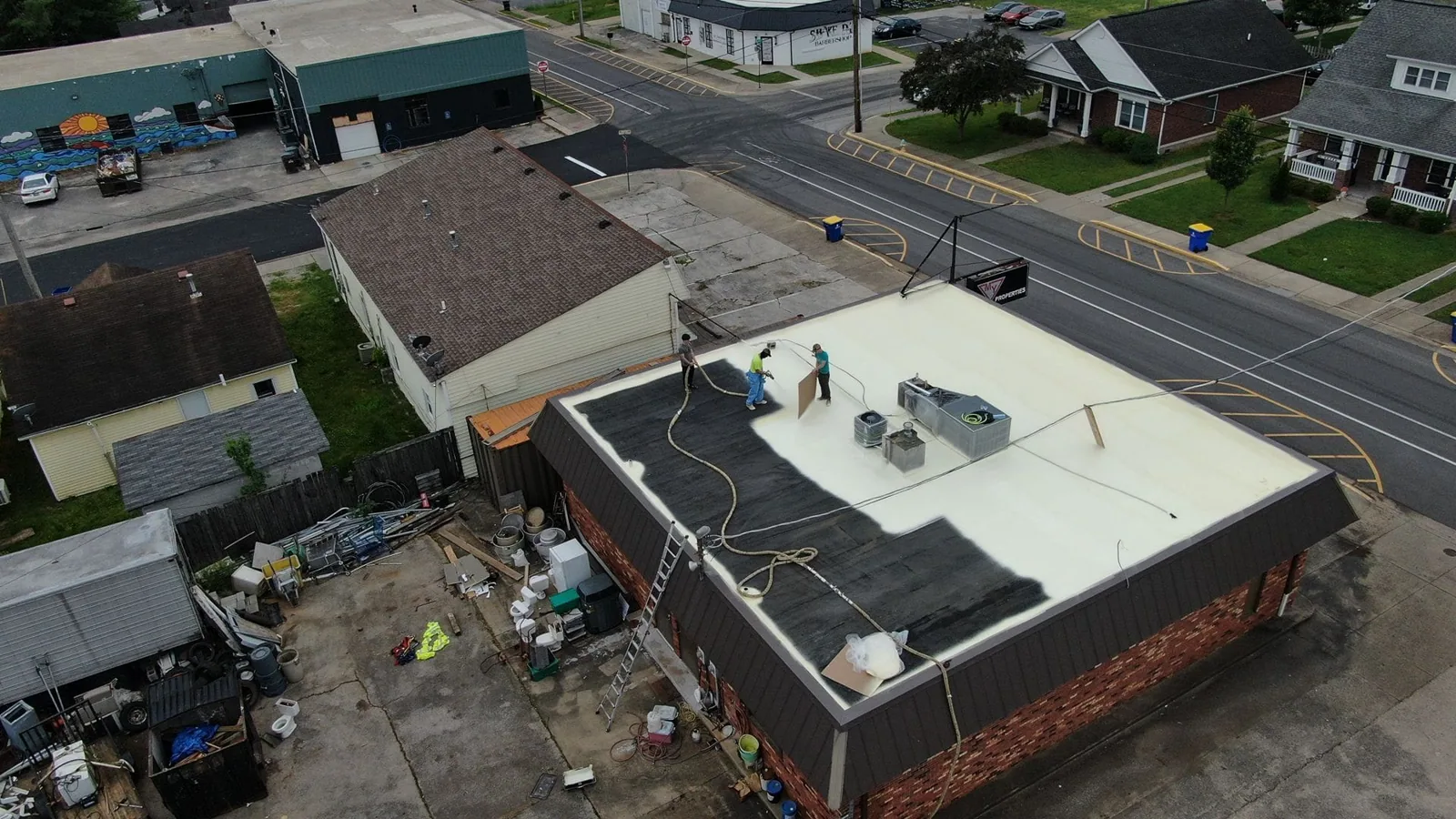
For PVC membrane preparation, compatible components and welding differ from the approach for other coverings. The project team receives the roof detail and the trade handoff needed at each penetration or support interface. Where a coating or recover is proposed first, its receiving layers and flashing elevations are examined before solar work advances. We establish the construction stage that allows inspection of those connections. The finished array arrangement should leave required roof service points accessible, with the installed materials identified for later compatible repair.
What must be protected while array materials reach the roof?
Panel handling and staging can introduce concentrated contact or repeated movement across the covering. The project team establishes the equipment and load requirements, while we identify roofing protection and vulnerable details along the agreed route. Sharp components, unsecured packaging or storage over an outlet can damage material or change drainage. Those conditions are addressed in the staging plan rather than left to the final roof inspection.
In Goldsby, an operating industrial or flex property may have production and staging activity below the roofing work. Norman's Interstate 35 dealership and retail uses present different customer and service-area arrangements. We coordinate the requested property's access and equipment movements with the roof preparation stage. Protected routes remain suitable for the selected covering and do not obscure components still needing work. The array trade receives the roofing handoff before materials are set, with the boundaries between prepared roof, unfinished details and controlled access explained at their actual locations.
How does the roof remain serviceable beneath the equipment?
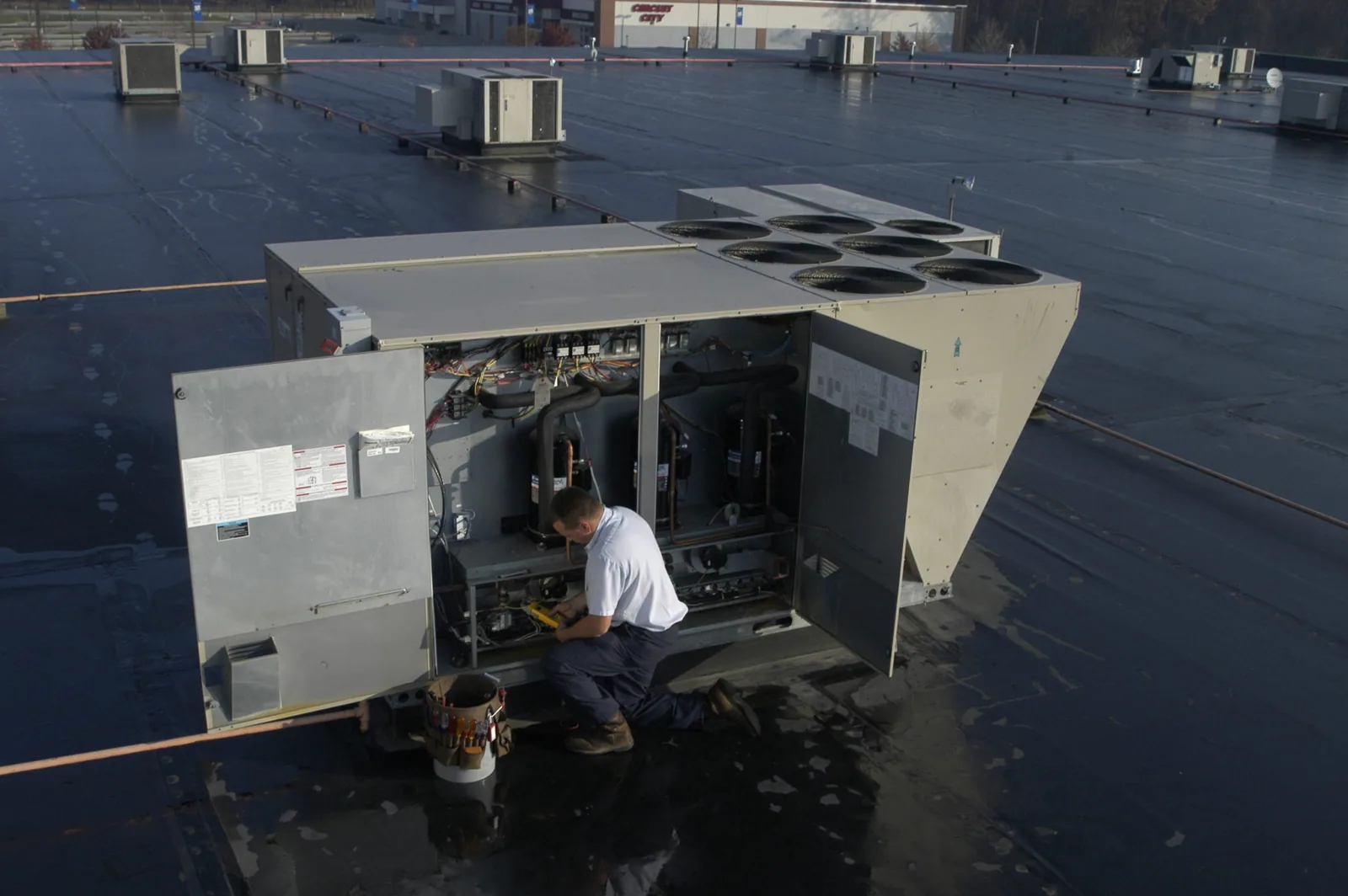
A future membrane repair can require equipment access or temporary removal if the affected detail is concealed. We discuss that interface with the project team before the array arrangement is complete. The owner needs an understandable division between roofing, solar service and electrical work, including who coordinates access when a connection needs examination. Material information and located roof findings support that later task.
After installation, the affected covering, penetrations and service routes are examined for construction-related damage and incomplete transitions. A compatible roofing correction follows where needed. Cleveland County normals include recurring summer heat and freezing nights, giving seasonal context for later movement checks at roof-mounted components. The actual installed assembly and equipment determine the points inspected. Maintenance attention includes outlets, exposed seams and support contact areas. The preparation work leaves those roofing connections identified so later array servicing and roof care can be coordinated without relying on a general description of the roof beneath the panels.
Related Work

Commercial Roofing Questions
Should existing repairs be inspected before panels cover their locations?
Examine the receiving material and repair condition while access remains available. We identify defects and concealed questions that affect retention. Corrective roofing can then be completed before the equipment arrangement makes that connection more difficult to reach.
Does solar-ready roofing include structural design for the array?
The responsible project team establishes structural suitability and the mounting design. We coordinate the roof covering, protection and flashing with those components. Roofing work follows the support information needed to prepare a compatible and accessible interface.
Can array supports be placed near a roof drain?
Evaluate their position against the water route and maintenance access before installation. We examine the roof connection and identify corrections needed in the preparation scope. The equipment layout is coordinated with the access required to clear and inspect the outlet.
What should be checked after the array installation crew leaves?
Inspect the affected membrane, penetrations and service routes for damage or unfinished transitions. We relate the observations to the roof preparation and equipment interfaces. Compatible repairs are completed where needed, with future access and maintenance points identified for the building team.
Check the roofing before the array limits access
Send the Norman-area building location, roof assembly information, proposed array layout and installation schedule. We will assess the covering, drainage and support interfaces that need coordination before equipment placement.
Request a Roof Assessment