Service Areas
Commercial roof work in Chickasha's industrial and business setting includes assessment of metal attachment as well as its weather seal. An elongated panel hole can leave the fastener bearing against a changed opening even after a damaged washer is replaced. We examine the panel, receiving support and connection requirements before assigning that correction. The repair needs suitable attachment and water control rather than treating a fresh outer seal as the entire task.
Chickasha lies on Interstate 44 at the junction of U.S. Highways 81 and 62. It has a 240-acre industrial park and serves as Grady County's business and employment center. For a requested property, commercial roof panel and attachment assessment follows the installed assembly and actual fastener condition. We identify the usable material and any support question before selecting a compatible repair or broader renewal arrangement.
What does the changed hole require beyond a new washer?
A widened or elongated opening can reflect panel movement, unsuitable fastening or damage at the receiving support. We examine the actual connection rather than assigning its cause from the outer shape alone. The panel condition and applicable attachment requirements determine what can receive a repair. A larger seal may cover the opening while leaving a separate bearing or support question unresolved.
Metal roofing attachment and junction review follows the installed panel configuration. The correction uses a suitable detail for that system and its receiving construction. Where attachment or support needs design assessment, the responsible professional reviews the task before new roofing encloses it. We inspect the component relationship and movement required by the assembly. The repaired connection then addresses the actual material and load-transfer arrangement, with weather sealing completed through compatible preparation instead of relying on a surface treatment to stabilize an unsuitable fastener or panel edge.
Where does the panel remain usable for reconstruction?
A hole can sit beside corrosion, a split or earlier repair material that changes the available boundary. We inspect adjoining metal and the support behind it before selecting local correction or removal. The receiving surface needs suitable preparation for the proposed weather connection. A repair chosen only to hide the fastener head can leave the surrounding panel defect outside its effective joining area.
Compatible repair of the affected metal and membrane junction follows the actual covering. A membrane transition beside the panel needs identification and its own preparation method. Thermoplastic, rubber and bituminous materials are not treated as interchangeable seals. We check the completed connection and the component ends where the repaired metal meets another detail. Later placement preserves the finished edge without cutting or concealing it before inspection. The project identifies usable retained roofing and material needing reconstruction, tying both decisions to the actual receiving boundary rather than simply expanding a surface seal.
How does the industrial park affect the requested construction area?
Chickasha's industrial park covers 240 acres. At a requested property within the city's broader industrial setting, the roof task needs its own operation and material route examined. We identify the fastener or panel boundary and any affected area below it before exposure. The property contact coordinates the access relevant to that actual repair with the project team.
Roof work above occupied commercial operations follows suitable opening, preparation and protection stages. A component trade may need release where equipment or another part limits the receiving face. We identify that task alongside the lower support and roofing correction. New findings are reviewed before removal extends, keeping the daily boundary matched to material that can be rebuilt or suitably protected. We identify the handling and preparation tasks at the working roof boundary. Permanent closure follows the support and component corrections ready for completion, with the required inspection maintained before later placement restricts access.
What do the highway junction and business role change for access?
Interstate 44 meets the U.S. Highway 81 and 62 setting at Chickasha. The city is Grady County's business and employment center. For the requested building, we assess where construction materials can enter and where removal can proceed. The working lift location is coordinated with that actual property arrangement. We locate the working boundary and identify the component or support access required before selecting material placement.
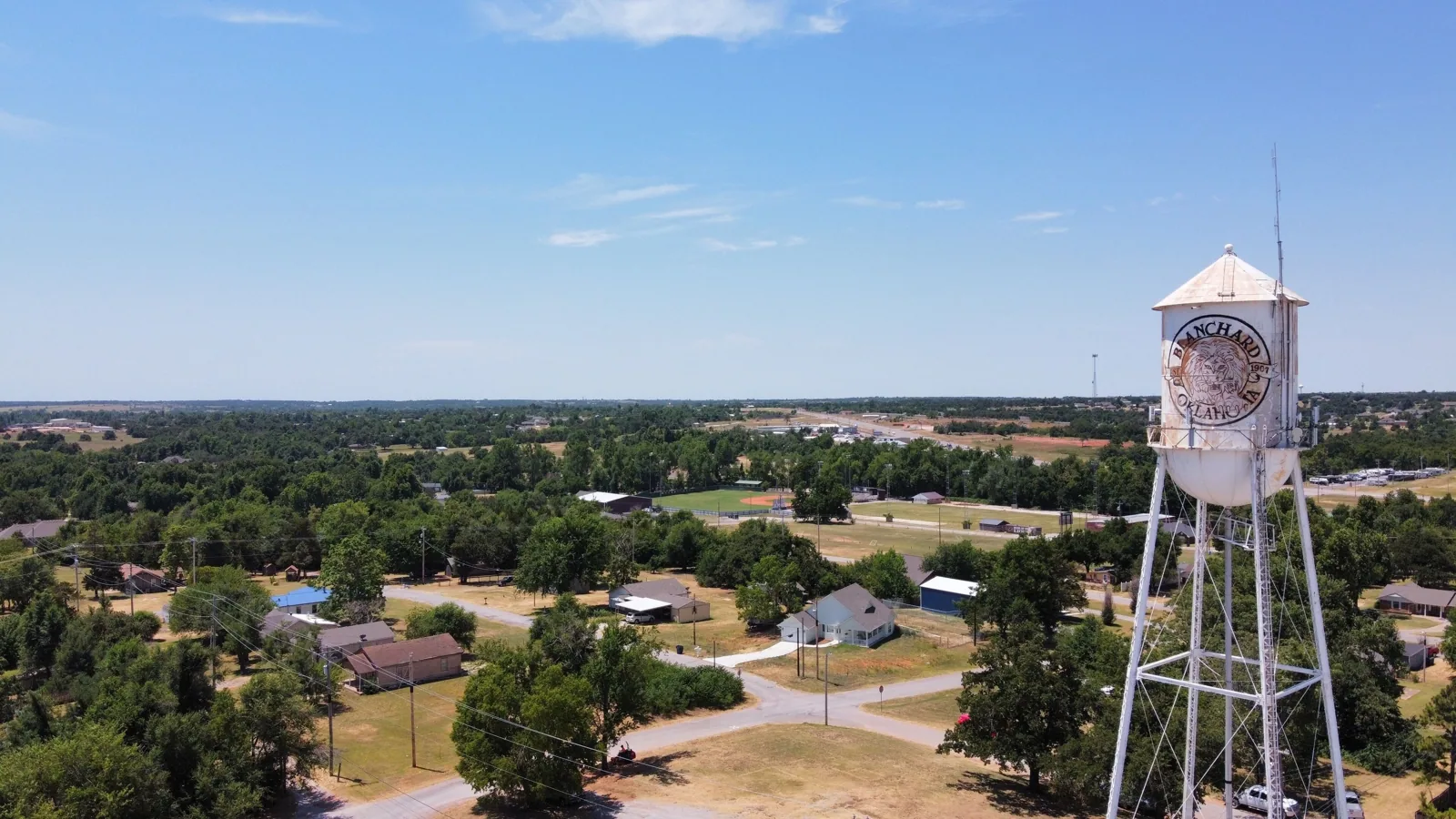
Commercial roofing coordination in Blanchard and roof work in Tuttle also follow each requested building's assembly. For the Chickasha site, the property contact addresses service and occupied-area arrangements while roofing establishes suitable preparation and closure. A changed support finding is assessed with the responsible professional or trade before another construction stage proceeds. The road network informs regional location, while the roof geometry and usable daily boundary establish how replacement materials reach the actual junction and how removed layers leave without interrupting required inspection or receiving work.
What changes if lower material or wider attachment needs correction?
Water at a fastener defect can affect insulation or supporting material beyond the visible metal opening. Retention requires assessment of the installed layers beneath the defect. We locate the investigation needed and examine material where reconstruction provides suitable access. Moisture investigation of the affected attachment area can support material checks when conditions permit the method. The usable removal boundary follows actual findings and support, not only the washer or panel hole outline.
A structural concern is reviewed by the responsible professional before roof construction encloses the base. Replacement layers and attachment need a suitable relationship to the panel or proposed membrane. Component clearance and the drainage approach are checked with the rebuilt field profile. We stage those tasks with weather protection during unfinished work, then inspect the permanent connection before another layer or service placement narrows access.
Wider renewal compares retained moisture, support and attachment through applicable project requirements. Metal roof renewal planning is not selected until its receiving construction is assessed. Replacement adds removal handling and base-access tasks, while a suitable retained assembly may support another viable alternative. Cost and timing follow material extent, preparation and component work at the actual property. Later maintenance examines accessible discharge, panel movement and new contact damage using suitable methods. Another fastener or attachment change receives its own assessment before a new surface seal is assigned, preserving the connection through usable material rather than concealing a changed support question.
Related Work
Commercial Roofing Questions
Will a replacement washer address every problem at an elongated panel hole?
Assess the panel, fastener and receiving support before choosing the correction. A new seal may leave a separate attachment question unresolved. We identify suitable material and the applicable connection requirements so the repair addresses bearing as well as water control.
How should surrounding corrosion or an earlier patch affect the repair boundary?
Inspect adjoining metal and preparation condition beyond the visible hole. Unsuitable material may require wider reconstruction. We establish a usable receiving area and compatible detail before closing the panel or membrane junction over the affected connection.
What needs coordination if equipment prevents inspection of the support?
Identify the component release and responsible trade task before opening the roof. We stage protection and maintain access to examine the receiving base. Permanent material proceeds after support and component conditions are suitable, with the relevant checks completed before placement returns.
How should a material delivery be coordinated with the daily attachment repair area?
Locate the work boundary and identify the materials needed for its preparation and closure. The property contact coordinates the handling route with the project team. We match delivery and component access to the construction ready to proceed, preserving inspection before another placement reaches the repaired junction.
What changes when renewal uses the existing metal roof as its receiving base?
Assess retained moisture, panel condition, support and attachment against the proposed construction. Component clearance and drainage may need revision. We identify those tasks and relevant professional review before choosing a renewal arrangement and placing the new covering.
Check the Chickasha attachment before treating the outer seal
Provide the property location, panel and fastener condition, installed assembly and component access. We will assess receiving support and compatible reconstruction before selecting the permanent roofing correction.
Request a Roof Assessment